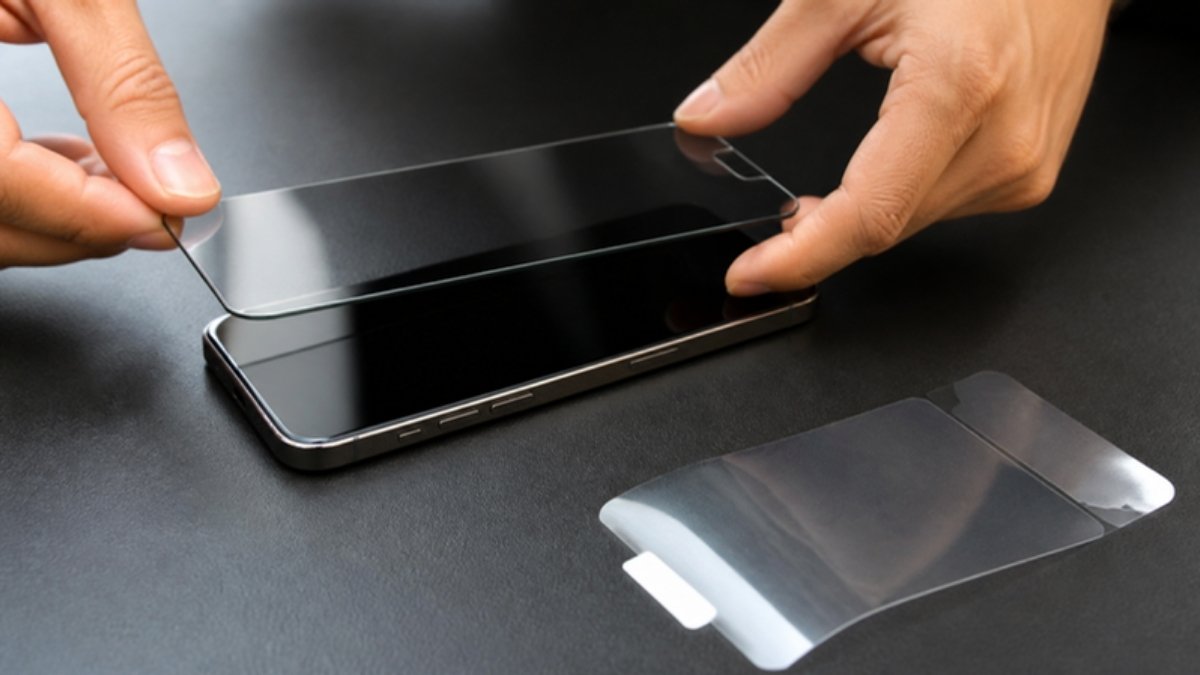
A screen protector is the cheapest insurance for your phone. A good one costs a small fraction of a new screen. But which type should you choose: tempered glass or hydrogel? Here is how they compare.
Tempered glass
- Best drop protection. Glass absorbs impact and cracks instead of your screen.
- Strong scratch resistance.
- Smooth, glass-like feel.
- Easy to install with fewer bubbles.
- Weak on curved screens: edges may lift, and full-glue types can affect touch.
- Thicker, and some can affect in-display fingerprint sensors.
Hydrogel (TPU film)
- Flexible, so it covers curved screens edge to edge.
- Self-heals small scratches over time.
- Thin, so fingerprint sensors and cases fit well.
- Weak drop protection; it does not absorb impact like glass.
- Harder to install neatly; usually done by a shop with a machine.
Which should you choose?
- Flat-screen phones (most Tecno Spark, Pop, Infinix Hot, Samsung A-series): tempered glass.
- Curved-screen phones (Camon Ultra, some Note and flagship models): a quality curved glass with UV glue, or hydrogel if glass will not sit well.
- Phones with in-display fingerprint: check the protector says it supports fingerprint unlock.
- You drop your phone a lot: tempered glass plus a good case.
Tips
- Replace a cracked protector immediately; sharp edges can cut and dirt gets under it.
- Cheap protectors can cause touch issues; see ghost touch fixes.
- A protector is far cheaper than a new screen; compare with our screen repair costs.
Phones worth protecting, from Simcel
- Tecno Camon 50 Ultra 5G: curved 144Hz AMOLED.
- Samsung Galaxy A17 5G: flat Super AMOLED, easy to protect with glass.
- Tecno Spark 50C: tough budget phone with a 120Hz display.


Leave a Reply