
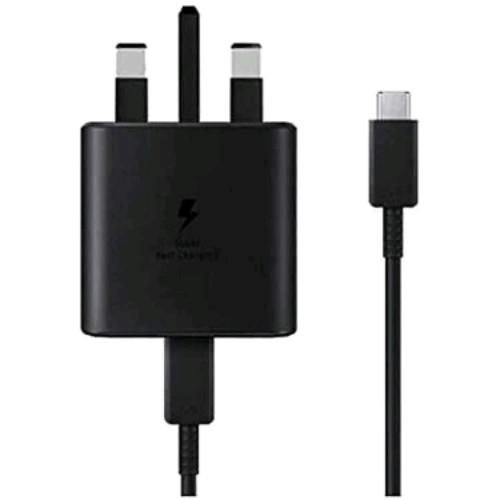
Introduction
In today’s fast-paced world, phone chargers have become an essential accessory. With smartphones becoming more powerful, featuring bigger batteries and fast-charging capabilities, choosing the right charger can significantly impact your device’s battery health and charging speed.
From wired to wireless chargers, fast chargers, and multi-port adapters, the market is flooded with various options. This comprehensive guide will help you understand the types of phone chargers, key features, and tips for choosing the best charger for your device.
Types of Phone Chargers
Phone chargers come in different designs, functionalities, and power outputs. Here’s a breakdown of the most common types of phone chargers:
1. Wired Chargers (Traditional USB Chargers)
These are the standard chargers that come with most smartphones. They typically include:
- USB-A to Micro-USB (Older Android models)
- USB-A to USB-C (Modern Android models)
- USB-A to Lightning (iPhones)
Best For: General charging needs, slow to moderate charging speeds.
2. Fast Chargers (Quick Charge & Power Delivery Chargers)
Fast chargers are designed to reduce charging time by supplying higher power output. The two major fast-charging technologies include:
- Qualcomm Quick Charge (QC) – Used in Android devices, offering power up to 100W.
- USB Power Delivery (PD) – Used in iPhones, iPads, and USB-C devices, supporting up to 240W (depending on the charger and cable).
Best For: Users who need quick charging, especially for busy lifestyles.
3. Wireless Chargers (Qi Wireless Charging)
Wireless chargers eliminate the need for cables, using inductive charging technology to transfer power to the phone. There are different power output options:
- 5W (Basic wireless charging)
- 10W – 15W (Fast wireless charging for Android & iPhones)
- 30W+ (Advanced wireless charging for flagship devices)
Best For: People who prefer cable-free charging at home or in the office.
4. Magnetic Chargers (MagSafe & Qi2)
Magnetic chargers, such as Apple’s MagSafe, align perfectly with iPhone models (iPhone 12 and newer) for efficient charging. Qi2, the latest wireless standard, also supports magnetic alignment for better power transfer.
Best For: iPhone users and anyone who wants wireless charging without misalignment issues.
5. Multi-Port Chargers (USB Hubs)
These chargers have multiple USB ports, allowing users to charge multiple devices simultaneously. They usually support a mix of:
- USB-A ports (For older devices)
- USB-C PD ports (For fast charging)
Best For: People with multiple devices (smartphones, tablets, laptops, wearables).
6. Car Chargers
Car chargers plug into the cigarette lighter port and come with USB-A or USB-C ports for charging devices on the go. Some models support fast charging with QC or PD technology.
Best For: Travelers, road trips, and long commutes.
7. Solar Chargers
Solar chargers use sunlight to generate power and charge devices. They are commonly used for outdoor activities like camping, hiking, and emergencies.
Best For: Outdoor enthusiasts and emergency backup power.
Key Features to Consider When Buying a Phone Charger
With so many charger options available, here are the most important features to consider:
1. Charging Speed (Wattage & Amps)
The speed of a phone charger depends on its wattage output. Here’s a general guide:
- 5W – 10W – Basic charging (Standard USB chargers)
- 18W – 30W – Fast charging for smartphones
- 45W – 100W – Power Delivery (PD) chargers for tablets, MacBooks, and gaming phones
- 100W+ – High-power USB-C chargers for laptops and multi-device setups
💡 Tip: If your phone supports fast charging, choose a charger with Power Delivery (PD) or Quick Charge (QC) technology.
2. Compatibility with Your Device
Check if the charger is compatible with your phone model:
- iPhone users – Look for USB-C to Lightning (For fast charging) or MagSafe.
- Android users – Choose USB-C PD chargers for faster speeds.
- Older devices – May still require Micro-USB chargers.
3. Cable Type & Length
A good charger should come with a high-quality cable. Consider:
- Nylon-braided cables (More durable)
- Length options (1m, 2m, or longer for convenience)
- Fast data transfer (USB 3.0 or higher)
4. Safety Features
A high-quality charger should include:
- Overcharge protection
- Short-circuit protection
- Temperature control
- Auto power cut-off when fully charged
5. Portability & Design
For travelers and minimalists, compact chargers with foldable plugs and lightweight designs are ideal.
6. Brand Reputation
Choose chargers from trusted brands to ensure quality, durability, and safety. Some of the best phone charger brands include:
- Anker
- Apple
- Samsung
- Belkin
- RAVPower
- UGREEN
- Baseus
Best Phone Chargers for Different Needs
For Everyday Use
- Charger Type: Standard 10W – 20W USB charger
- Best Brands: Anker, Apple, Samsung
- Best For: Home, office, and bedside charging.
For Fast Charging
- Charger Type: 30W – 65W USB-C PD charger
- Best Brands: Belkin, UGREEN, Anker
- Best For: Users who want quick battery top-ups.
For Wireless Charging
- Charger Type: Qi wireless charger (15W – 30W)
- Best Brands: Apple MagSafe, Samsung Wireless Charger, Anker PowerWave
- Best For: People who prefer cable-free charging.
For Multi-Device Charging
- Charger Type: Multi-port USB hub (45W – 100W)
- Best Brands: RAVPower, Baseus, Anker
- Best For: Charging multiple devices at once.
For Travel
- Charger Type: Compact fast charger (30W – 60W) or car charger
- Best Brands: Anker, Aukey, Belkin
- Best For: People on the go.
SEO Keywords for Finding the Best Phone Chargers Online
To find the best phone chargers online, use these SEO-friendly keywords:
- Best fast charger for iPhone
- USB-C PD charger for Android
- Wireless charging pad for iPhone 15
- Best MagSafe charger for iPhone 14
- Multi-port USB charger for travel
- High-speed phone charger for gaming
- Car charger with fast charging
- Best solar charger for camping
Using these keywords in search engines, product listings, and blog content can help find the best charger for your needs.
Conclusion
Choosing the right phone charger is crucial for ensuring fast, safe, and efficient charging. Whether you need a standard charger for everyday use, a fast charger for quick power-ups, or a wireless charger for convenience, understanding power ratings, compatibility, and safety features will help you make the best choice.
Invest in a high-quality, reliable charger today and keep your devices powered up effortlessly!


 SIMCEL ONLINE
Leave a Reply