
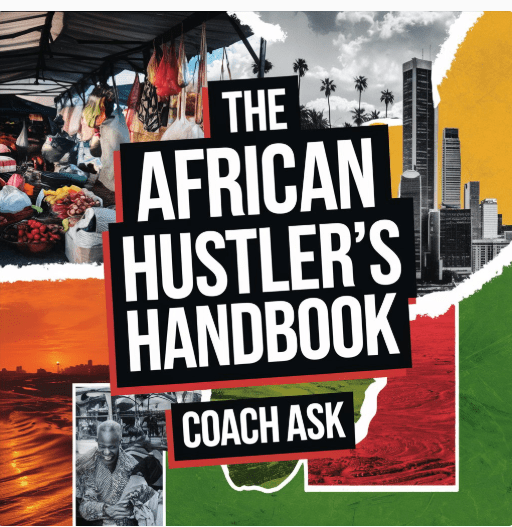
Chapter 1: The Spirit of Hustling
The morning sun rises over the sprawling city of Lagos, its golden rays bouncing off rooftops of corrugated metal and the glass facades of modern skyscrapers. This city, like so many across Africa, buzzes with an energy that is almost tangible—a pulse that drives its people to rise before dawn and hustle long after dusk. It is here, in the vibrant marketplaces, bustling streets, and cramped workshops, that the spirit of hustling is most vividly alive.
The Essence of the Hustle
The African hustle is not just about making ends meet; it’s about resilience, ingenuity, and finding a way where none seems to exist. It is the art of turning one chicken into a poultry farm, one packet of sugar into a thriving bakery, or one app idea into a tech empire. Hustling is born from necessity, but it thrives on creativity and an unyielding spirit.
Take Amina, for instance. A single mother in Nairobi, Amina starts her day at 4 a.m., preparing mandazi—a type of fried dough—to sell at the bus stop. By the time the city begins its daily commute, her neatly arranged trays are a favorite stop for hungry workers. Amina’s hustle doesn’t end there. She saves part of her earnings to invest in a small kiosk where she now sells snacks and groceries, gradually scaling her business.
Her story is not unique. Across the continent, millions of entrepreneurs like Amina embody the hustle. They are market traders, mechanics, tailors, digital marketers, and freelance coders. Their businesses may be small, but their ambitions are grand.
The Cultural Fabric of Hustling
The African continent, rich in diversity, has its hustle shaped by cultural nuances. In Ghana, the “kayayoo” women carry goods on their heads through crowded marketplaces, their endurance unmatched. In South Africa, young men in townships repair cell phones with makeshift tools, their technical prowess rivaling any certified technician. In Senegal, the griots—traditional storytellers—reinvent themselves as modern-day marketers, weaving tales that sell products and ideas.
The hustle is deeply rooted in the concept of “ubuntu”—a philosophy that emphasizes community and interconnectedness. Success is often seen not just as personal achievement but as a victory for one’s family and community. This interconnectedness means that a hustler is not alone; they rely on networks of family, friends, and even strangers who believe in their vision.
Lessons from the Masters of Hustling
The first rule of hustling is to think differently. To see opportunity where others see obstacles. A story that comes to mind is that of Tunde, a young man from Ibadan who noticed that his neighbors struggled with unreliable electricity. Instead of complaining, he began renting out small, rechargeable lamps. As his customer base grew, Tunde partnered with a local solar panel supplier, scaling his side hustle into a thriving energy solutions business.
The second rule is to embrace risk and failure. Hustlers know that success rarely comes on the first try. Each setback is a lesson, and every failure, a stepping stone. In Kampala, Esther started a mobile salon service after losing her job at a traditional salon. It wasn’t smooth sailing—her first week saw more cancellations than bookings. But Esther learned from the experience, refining her service and improving her marketing. Today, her business is a pioneer in mobile beauty services.
The Marketplace: A Hustler’s Arena
The marketplace, whether physical or virtual, is the hustler’s arena. Picture the teeming stalls of Kejetia Market in Kumasi, Ghana. Amidst the cacophony of haggling voices and the aroma of spices, traders hawk everything from textiles to electronics. Each seller is a master of their craft, employing marketing techniques honed over years of experience.
Online spaces have become the new frontier for hustlers. Platforms like Jumia, Paystack, and Flutterwave have created ecosystems where small businesses can thrive. Social media, too, has emerged as a powerful tool. A young entrepreneur in Kigali might start by selling hand-woven baskets to local customers but can now reach an international audience with a well-crafted Instagram page.
The Hustler’s Toolkit
Resourcefulness is the hallmark of every successful hustler. With limited access to capital, many African entrepreneurs find ingenious ways to stretch every coin. Bartering, recycling, and leveraging social networks are common practices.
Moreover, technology has become an indispensable part of the hustler’s toolkit. Mobile money platforms like M-Pesa in Kenya have revolutionized transactions, allowing businesses to operate seamlessly even in cash-strapped economies. WhatsApp groups serve as virtual marketplaces, and YouTube tutorials provide free education in everything from coding to carpentry.
A Shared Spirit
What unites all these stories is a shared spirit—the unshakeable belief that with hard work, creativity, and determination, anything is possible. This spirit transforms challenges into opportunities and limitations into stepping stones.
In the coming chapters, we will delve deeper into the strategies, tools, and stories that define the African hustler. But for now, let this chapter stand as a testament to the spirit of hustling—a force that drives a continent and inspires a world.
Have a Question or Business Enquiry?
We’re here to help!
Whether you’re interested in our products, need assistance, or have a business proposal, feel free to reach out. Contact us today — we’d love to hear from you!
📞 Call/WhatsApp: 0547489948 Or 0546672098
📧 Email: simcelventures@gmail.com
📍 Visit Us: Have-Etoe (SIMCEL VENTURES)
Chapter 2: Starting Small, Dreaming Big
The rhythmic clatter of sewing machines fills a small room in Accra. Around a sturdy wooden table sit three women, chatting animatedly as they cut and stitch colorful fabrics. This modest setting is the birthplace of a clothing line that will soon gain popularity in local markets and eventually attract international buyers. It started with a single sewing machine and a dream.
This is the story of countless hustlers across Africa: starting with what’s in hand and daring to imagine a brighter future.
The Beauty of Starting Small
For many, the biggest hurdle to launching a side hustle or business is the belief that significant resources are required. Yet, some of the most successful ventures have sprung from small beginnings. From the roadside chapati stands in Dar es Salaam to the digital freelance hubs of Nairobi, the principle remains the same: use what you have and build from there.
Consider Emmanuel, a young entrepreneur in Kigali who wanted to start a tech repair service. With no formal training and only a rudimentary toolkit, he began by repairing his neighbors’ phones. His reliability and knack for problem-solving earned him a steady stream of clients. Today, Emmanuel employs five technicians and services devices for small businesses across the city.
Identifying Viable Side Hustles
Starting small begins with identifying opportunities that align with both your skills and the needs of your community. The key questions to ask are:
- What problems can I solve?
- What skills or resources do I already have?
- What are people in my community spending money on?
Take Maria from Lusaka, for example. After noticing that her friends struggled to find fresh, affordable vegetables, she started a backyard garden. With a few seeds and basic tools, she began selling her produce to neighbors. Within months, her small operation expanded to supplying restaurants in the area.
The most successful hustlers are those who pay attention to their environment. They see opportunities in everyday situations—whether it’s providing lunch to busy office workers, fixing broken household items, or offering childcare services.
The Power of Limited Resources
Starting small is not a limitation; it’s an opportunity to think creatively. When resources are scarce, innovation thrives. Instead of lamenting what they lack, hustlers focus on what they can do with what they have. For instance:
- Bartering: Exchange skills or services instead of money.
- Pooling Resources: Collaborate with others to reduce costs, such as sharing equipment or workspace.
- Using Free or Low-Cost Tools: Leverage free online resources like Canva for design, or WhatsApp for marketing.
In Lagos, Tunde began selling snacks by the roadside with nothing but a borrowed cooler and some homemade recipes. When his business grew, he reinvested his profits into buying a food cart. Today, he operates a small fleet of food carts across the city.
Overcoming the Fear of Failure
One of the most significant barriers to starting is the fear of failure. It’s easy to become paralyzed by the “what-ifs.” What if no one buys? What if I lose my money? What if people laugh?
Yet, every successful hustler knows that failure is part of the process. In fact, it is often the best teacher.
Consider Ayo, a young woman in Abuja who tried and failed to launch an online boutique. Her first attempt flopped because she underestimated the power of marketing. Undeterred, Ayo went back to the drawing board, learned the basics of social media advertising, and relaunched her store. Today, her boutique boasts a loyal customer base and a growing Instagram following.
Building a Brand from Day One
Even at the smallest scale, branding matters. Branding is not just about logos or slogans—it’s about creating a consistent image and reputation. Whether you’re selling snacks at a bus stop or offering freelance writing services, your brand is what sets you apart.
Key steps to building a strong brand:
- Create a Unique Identity: What makes your product or service special?
- Maintain Quality: Consistency builds trust.
- Engage Your Audience: Build relationships with your customers through excellent service and active communication.
In Mombasa, Hassan, a shoe repairman, became a neighborhood favorite because of his friendly demeanor and quick service. He branded his service as “Hassan the Fixer,” and every repaired shoe came with a small thank-you card. It’s no surprise that his clientele expanded rapidly.
Practical Steps to Start Small
For those ready to take the plunge, here’s a step-by-step guide to launching a side hustle or small business:
- Start with a Simple Idea: Identify a product or service you can offer with minimal resources.
- Set a Modest Goal: Focus on earning your first sale or serving your first client.
- Leverage Free Tools: Use social media platforms, free design tools, and word-of-mouth marketing.
- Track Your Progress: Keep a simple record of income and expenses to measure growth.
- Reinvest Profits: Use your earnings to gradually scale the business.
The Bigger Picture: Dreaming Big
Starting small does not mean thinking small. Every great enterprise began as a simple idea. The corner tailor can grow into a fashion label; the online writer can become a published author; the roadside mechanic can expand into a service center.
Dreaming big means having a vision for the future while taking small, consistent steps toward it. It’s about seeing beyond the immediate challenges and believing in the potential of your hustle.
As we move forward, we’ll explore how to navigate the unique challenges and opportunities of Africa’s informal economy. For now, let this chapter remind you that every giant leap begins with a single step, and every big dream starts with small actions.
Have a Question or Business Enquiry?
We’re here to help!
Whether you’re interested in our products, need assistance, or have a business proposal, feel free to reach out. Contact us today — we’d love to hear from you!
📞 Call/WhatsApp: 0547489948 Or 0546672098
📧 Email: simcelventures@gmail.com
📍 Visit Us: Have-Etoe (SIMCEL VENTURES)
Chapter 3: Mastering the Informal Economy
The sun blazes down on the sprawling Balogun Market in Lagos, a chaotic symphony of sounds and colors. Vendors shout prices over the din of honking cars and chattering customers, while the scent of grilled corn wafts through the air. Amid the bustling activity, one truth is clear: this is the heart of the informal economy, a place where millions of livelihoods converge.
Africa’s informal economy is a force to be reckoned with. It employs over 85% of the continent’s workforce and generates significant economic activity, often operating outside the formal structures of taxation and regulation. While it thrives on flexibility and resourcefulness, mastering this sector requires a unique set of skills.
The Backbone of the Economy
In many African nations, the informal economy is not just a sector—it’s a way of life. From roadside fruit sellers in Dakar to auto mechanics in Cairo, the informal trade thrives on a mix of trust, community networks, and sheer determination. These businesses fill gaps left by formal institutions, providing goods and services that are affordable, accessible, and essential.
Take the story of Adama, a trader in Bamako who sells second-hand clothes imported from Europe. Her business began with a small bundle of clothes bought with borrowed money. Over time, she built relationships with wholesalers and expanded her stall. Today, Adama not only supports her family but also employs two assistants and supplies other smaller traders.
Building Relationships in a Dynamic Market
Success in the informal economy hinges on relationships. Whether you’re trading at a bustling market or running a mobile service, trust and rapport with suppliers, customers, and peers are invaluable. These relationships are often forged through face-to-face interactions and nurtured over time.
Key strategies for relationship-building include:
- Honesty and Reliability: Always deliver on promises, whether it’s timely delivery or product quality.
- Networking: Attend local gatherings, community events, or market meetings to expand your circle.
- Listening to Feedback: Pay attention to what customers say and adjust your offerings accordingly.
In Johannesburg’s informal sector, Sipho’s mobile food truck became a neighborhood favorite not just because of his delicious meals but because he took the time to chat with his customers. His friendly demeanor and willingness to accommodate special requests made his business stand out in a crowded field.
Navigating Challenges in the Informal Economy
The informal economy is not without its challenges. Lack of formal structures means hustlers often face issues such as:
- Unstable Income: Earnings can fluctuate depending on demand, season, or competition.
- Limited Access to Financing: Without formal records or collateral, securing loans can be difficult.
- Regulatory Hurdles: Authorities may impose fines or attempt to shut down operations deemed “illegal.”
One way to navigate these challenges is to stay informed about local regulations and adapt accordingly. For example, in Kampala, Jane, a street vendor, began operating from a mobile cart instead of a fixed stall. This not only allowed her to avoid penalties but also made her business more visible and accessible.
Managing Cash Flow and Transactions
Most transactions in the informal economy are cash-based, which requires meticulous management to ensure profitability. Smart hustlers:
- Track Expenses and Income: Even a simple notebook can help keep records.
- Separate Personal and Business Finances: Avoid mixing earnings to maintain clarity.
- Utilize Mobile Money Services: Platforms like M-Pesa, MTN Mobile Money, and Airtel Money provide secure and convenient transaction options.
In Nairobi, David runs a small electronics repair shop. By using mobile money, he not only reduced the risk of handling cash but also offered his customers a seamless payment option. This move boosted his credibility and increased his customer base.
Standing Out in the Crowd
With so many businesses operating informally, competition is fierce. To stand out, hustlers need to offer something unique. This could be:
- Exceptional Customer Service: A smile, a kind word, or a small gesture of appreciation can create loyal customers.
- Innovation in Products or Services: Offer something your competitors don’t.
- Consistency in Quality: Deliver reliable products or services every time.
Fatou in Dakar runs a roadside tea stall. While similar stalls line the street, her regulars swear by her special blend, which she perfected after months of experimentation. Her attention to detail and consistent quality keep customers coming back.
The Role of Technology in the Informal Economy
Technology is revolutionizing the informal economy, offering tools that improve efficiency, marketing, and communication. Social media platforms like WhatsApp, Facebook, and Instagram allow small traders to showcase their products and reach broader audiences. Mobile apps help streamline inventory management and customer communication.
For instance, Ali in Casablanca uses a simple inventory app to track his sales and stock levels for his corner shop. This allows him to plan purchases more effectively and avoid stockouts, giving him an edge over competitors who rely solely on memory.
Building Resilience and Scalability
To thrive in the informal economy, businesses need to be resilient. This means adapting to challenges, learning from mistakes, and continually seeking ways to improve. Resilience also involves planning for growth, even if resources are limited.
Strategies for scaling an informal business include:
- Reinvesting Profits: Use earnings to buy better tools, hire help, or expand inventory.
- Forming Partnerships: Collaborate with others in your sector to share resources or reach new markets.
- Learning Continuously: Attend workshops, watch online tutorials, or seek mentorship.
A Future Full of Possibilities
Mastering the informal economy is not just about survival; it’s about unlocking potential. Every market stall, mobile cart, and small shop represents an opportunity to build something lasting. For those willing to learn, adapt, and innovate, the informal economy offers endless possibilities.
As we move to the next chapter, we’ll explore how to scale these ventures beyond survival, transforming side hustles into profitable, structured businesses.
Have a Question or Business Enquiry?
We’re here to help!
Whether you’re interested in our products, need assistance, or have a business proposal, feel free to reach out. Contact us today — we’d love to hear from you!
📞 Call/WhatsApp: 0547489948 Or 0546672098
📧 Email: simcelventures@gmail.com
📍 Visit Us: Have-Etoe (SIMCEL VENTURES)
Chapter 4: Scaling Beyond Survival
The aroma of freshly baked bread wafts from a small bakery on the outskirts of Nairobi. Inside, Mary, the owner, carefully inspects rows of golden loaves cooling on racks. What started as a modest home-based side hustle—baking cakes for friends—has now grown into a bustling business employing five people. Mary is living proof that scaling a small hustle into a sustainable business is possible with vision, strategy, and perseverance.
Scaling a business requires more than just hard work; it demands careful planning, innovative thinking, and a willingness to take risks. It’s about moving beyond survival mode and building something that lasts.
From Hustle to Structure
Transitioning from an informal hustle to a structured business is a pivotal step. While hustling relies heavily on flexibility and improvisation, a business needs systems to thrive. This means creating processes that ensure consistency, efficiency, and scalability.
Key steps in structuring a business include:
- Documenting Operations: Outline how tasks are performed to maintain quality as the business grows.
- Separating Finances: Open a business account to track income and expenses independently of personal finances.
- Defining Roles: Assign responsibilities to team members or partners to avoid overlaps and inefficiencies.
In Lagos, Chidi, a mechanic, struggled to manage growing customer demand. By hiring and training two apprentices, he not only expanded his capacity but also freed up time to focus on attracting higher-value clients. This shift allowed his garage to evolve from a one-man operation into a thriving service center.
Marketing and Branding for Growth
To scale successfully, a business must stand out in an increasingly competitive landscape. This is where marketing and branding play crucial roles.
Branding Tips:
- Tell Your Story: Customers connect with brands that have a compelling narrative. Share your journey and mission.
- Be Consistent: Use the same logo, colors, and messaging across all platforms to build recognition.
- Create a Value Proposition: Clearly communicate why your product or service is the best choice.
In Accra, Kwame turned his small poultry farm into a household name by branding his eggs with eco-friendly packaging and the tagline “Fresh from the Heart of Ghana.” His story resonated with health-conscious consumers and helped him secure contracts with local supermarkets.
Marketing Strategies:
- Leverage Social Media: Platforms like Facebook and Instagram allow businesses to showcase products, interact with customers, and attract new audiences.
- Word of Mouth: Happy customers are the best marketers. Encourage them to refer friends and family.
- Collaborate with Influencers: Partner with local influencers to boost visibility.
For example, Salma, a tailor in Dar es Salaam, collaborated with a local fashion blogger to showcase her designs. The exposure tripled her customer base within months.
Leveraging Technology for Scalability
Technology is a game-changer for African hustlers looking to scale. Digital tools can streamline operations, improve customer engagement, and expand market reach.
Key Technologies:
- Mobile Money: Platforms like M-Pesa enable secure, cashless transactions.
- E-commerce: Create an online store on platforms like Shopify or use social media marketplaces.
- Customer Relationship Management (CRM): Simple CRM tools help track customer interactions and manage leads.
In Kigali, Jean-Pierre, who runs a mobile car wash service, uses WhatsApp to schedule appointments and send reminders. His tech-savvy approach has improved efficiency and earned him loyal clients.
Overcoming Challenges in Scaling
Scaling is not without challenges. Many hustlers encounter obstacles such as limited access to capital, increased competition, and the risk of losing their business’s personal touch.
Overcoming Financial Constraints:
- Microfinance and Grants: Many organizations offer loans and grants tailored to small businesses.
- Crowdfunding: Platforms like GoFundMe and local equivalents can help raise funds for expansion.
- Reinvesting Profits: Allocate a portion of earnings toward growth instead of personal use.
For instance, Adwoa in Kumasi reinvested her profits from selling natural hair products into buying equipment to produce larger quantities. This allowed her to meet growing demand without compromising quality.
Staying Competitive:
- Continuous Learning: Stay updated on industry trends and customer preferences.
- Innovate Constantly: Introduce new products or services to keep customers engaged.
- Focus on Quality: As you grow, ensure that quality remains your top priority.
Building a Strong Team
No business can scale without the support of a strong team. Hiring the right people and creating a positive work culture are critical.
Steps to Building a Team:
- Identify Key Roles: Determine which tasks can be delegated or outsourced.
- Hire for Attitude, Train for Skill: Look for employees who share your vision and are eager to learn.
- Foster Growth: Provide opportunities for training and development to retain talent.
In Kampala, Moses, who runs a printing business, started with one employee. Over time, he invested in their training, building a skilled team that could handle larger orders. Today, Moses’s business services clients across the city.
Expanding Your Reach
Scaling often involves entering new markets, whether geographically or demographically. Strategies include:
- Franchising: Allow others to replicate your business model in different locations.
- Exporting: Sell products in international markets through partnerships or online platforms.
- Diversifying: Offer related products or services to attract a broader audience.
For example, Amara in Nairobi began her organic skincare line by selling at local markets. As demand grew, she started shipping her products regionally and is now exploring international e-commerce platforms.
Sustainability in Scaling
Growth should be sustainable, balancing ambition with careful planning. Expanding too quickly can strain resources and jeopardize the business’s stability.
Tips for Sustainable Growth:
- Monitor Cash Flow: Ensure you have enough liquidity to manage day-to-day operations.
- Start Small: Test new markets or products on a small scale before full rollout.
- Seek Mentorship: Learn from those who have successfully scaled similar businesses.
The Hustler’s Mindset
Scaling is not just about increasing profits; it’s about creating a legacy. A true hustler dreams of building something that outlives them—something that can support their family, inspire their community, and contribute to the economy.
As we move to the final chapter, we’ll explore how to embrace the future of hustling, adapting to a rapidly changing world and preparing for opportunities that lie ahead.
Have a Question or Business Enquiry?
We’re here to help!
Whether you’re interested in our products, need assistance, or have a business proposal, feel free to reach out. Contact us today — we’d love to hear from you!
📞 Call/WhatsApp: 0547489948 Or 0546672098
📧 Email: simcelventures@gmail.com
📍 Visit Us: Have-Etoe (SIMCEL VENTURES)
Chapter 5: The Future of Hustling
As dawn breaks over Kigali, a young entrepreneur sips coffee while finalizing her social media campaign on her smartphone. In Lagos, a ride-hailing driver checks his next booking while listening to an online course on financial management. Across Africa, hustlers are embracing a new era—one where technology, innovation, and globalization are redefining the way businesses operate.
The future of hustling is bright, but it is also demanding. To thrive, entrepreneurs must adapt to changing trends, embrace new tools, and anticipate the opportunities of tomorrow.
Technology: The Game-Changer
Technology is transforming the way African hustlers do business. From mobile money to e-commerce platforms, digital tools are making it easier to reach customers, streamline operations, and scale ventures.
Emerging Tech Trends for Hustlers:
- Mobile Payments: Platforms like M-Pesa, MoMo, and Flutterwave have revolutionized transactions, enabling secure, cashless payments.
- E-commerce: Websites like Jumia, Kilimall, and Shopify provide a platform for small businesses to sell products online.
- Social Media Marketing: Apps like Instagram, TikTok, and Facebook allow businesses to reach large audiences with minimal cost.
- Artificial Intelligence: Chatbots, data analysis tools, and AI-driven marketing strategies are becoming accessible even to small-scale entrepreneurs.
Take the example of Ahmed, a farmer in Egypt who uses a mobile app to monitor weather patterns and optimize his crop yield. By integrating technology into his operations, Ahmed has significantly reduced losses and increased profits.
Embracing Innovation
The most successful hustlers of the future will be those who innovate. This means not only adopting new technologies but also rethinking traditional ways of doing business.
Examples of Innovation:
- Green Business Models: Entrepreneurs are finding success with eco-friendly solutions, such as solar-powered phone chargers or biodegradable packaging.
- Shared Economy Services: Businesses like ride-sharing, co-working spaces, and equipment rental are thriving across the continent.
- Customized Solutions: Personalization is key—whether it’s tailoring products to individual tastes or offering flexible payment plans.
In Accra, Yaa, a fashion designer, began offering a “made-to-measure” service for her customers, integrating 3D body scanning technology. Her innovative approach not only differentiated her brand but also attracted clients from neighboring countries.
The Role of Youth in Redefining Hustling
Africa’s youth are at the forefront of entrepreneurial innovation. With their tech-savviness, creativity, and willingness to take risks, young people are transforming the hustling landscape. Initiatives such as coding boot camps, incubators, and online courses are equipping them with the skills needed to succeed.
Key Industries for Youth Entrepreneurs:
- Technology: App development, software solutions, and fintech.
- Creative Arts: Music, film, fashion, and digital content creation.
- Renewable Energy: Solar power, biogas, and energy-efficient solutions.
In Johannesburg, Thandi, a young content creator, started a YouTube channel showcasing township life. Her storytelling resonated with audiences worldwide, earning her sponsorship deals and turning her hustle into a full-fledged media business.
Adapting to a Globalized Economy
Globalization presents both opportunities and challenges for African hustlers. While it opens doors to international markets, it also increases competition. To thrive, entrepreneurs must position themselves strategically.
Strategies for Competing Globally:
- Export Local Products: Promote authentic African goods, such as shea butter, handmade crafts, or specialty teas, to international markets.
- Leverage Digital Platforms: Use tools like Amazon, Etsy, or Fiverr to connect with global customers.
- Build Strong Brands: Highlight the uniqueness of your product or service to stand out in a crowded market.
For instance, Kofi in Ghana began exporting handcrafted wooden furniture through an online store. By emphasizing the cultural heritage of his designs, he attracted customers from Europe and North America.
The Rise of Collaboration and Networking
The future of hustling is not a solo journey. Collaboration and networking are becoming essential for success. By pooling resources, sharing ideas, and forming strategic alliances, hustlers can achieve more together than alone.
How to Collaborate Effectively:
- Join Business Communities: Participate in local or online groups to exchange knowledge and resources.
- Form Partnerships: Team up with complementary businesses to expand your reach.
- Mentorship: Seek guidance from experienced entrepreneurs or offer mentorship to others.
In Nairobi, a group of young entrepreneurs launched a shared delivery service for small businesses. By working together, they reduced costs and improved customer satisfaction.
Preparing for Future Challenges
While the future holds immense promise, it also brings challenges. Climate change, economic volatility, and rapid technological changes require hustlers to stay resilient and adaptable.
How to Stay Prepared:
- Keep Learning: Invest in continuous education to stay ahead of industry trends.
- Diversify Income Streams: Avoid relying on a single source of income.
- Plan for Uncertainty: Build savings, create contingency plans, and stay informed about potential risks.
Aisha in Dar es Salaam runs a clothing business but has also started a small online course teaching others how to sew. This diversification ensures that she earns even during slow business periods.
The Vision for Tomorrow
The future of hustling is about more than just making money—it’s about empowerment, innovation, and creating lasting impact. Hustlers are not only improving their own lives but also contributing to their communities and inspiring others to dream big.
As the sun sets on another bustling day in cities, towns, and villages across Africa, one thing remains constant: the unyielding spirit of the African hustler. In marketplaces, workshops, and online forums, they are building the future—one hustle at a time.
Conclusion: Embrace the Hustle
The African Hustler’s Handbook has explored the journey from starting small to scaling big, navigating the informal economy, and embracing the future. Now, it’s your turn to take action. Whether you’re just starting out or looking to expand, remember that the essence of hustling lies in resilience, creativity, and the courage to dream.
The future is yours to shape. Hustle boldly.
Have a Question or Business Enquiry?
We’re here to help!
Whether you’re interested in our products, need assistance, or have a business proposal, feel free to reach out. Contact us today — we’d love to hear from you!
📞 Call/WhatsApp: 0547489948 Or 0546672098
📧 Email: simcelventures@gmail.com
📍 Visit Us: Have-Etoe (SIMCEL VENTURES)


 SIMCEL ONLINE
Leave a Reply