
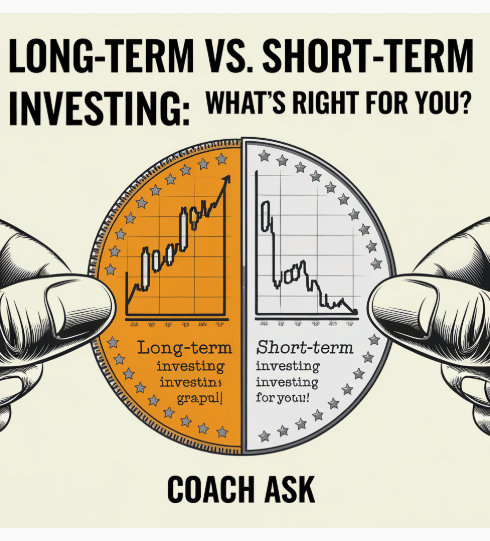
Investing can feel intimidating, especially when faced with a flood of financial jargon and a wide array of choices. But here’s the good news: it doesn’t have to be complicated. At its core, investing is about putting your money to work so it grows over time. Whether you’re just starting out or looking to refine your knowledge, understanding the basics is the first step in building a foundation for financial success.
Chapter 1: Understanding the Basics of Investing
What is Investing, and Why Do People Invest?
Investing is the act of allocating money into assets, such as stocks, bonds, or real estate, with the goal of generating returns. People invest for different reasons, but it usually boils down to one thing: achieving financial goals. These goals might include saving for a comfortable retirement, buying a home, funding a child’s education, or even building wealth to leave a legacy.
Imagine a young professional, Clara, who earns a steady income but knows that relying on her salary alone won’t prepare her for the future. She decides to invest part of her income in the stock market, hoping to grow her wealth over time. At the same time, consider James, a retiree who prefers safe, short-term bonds to protect his savings while generating modest returns. Both Clara and James are investors, but their strategies differ because their financial goals and timelines are unique.
The Building Blocks of Financial Markets
Before diving into strategies, it’s essential to understand the playground where investing happens: the financial markets. Here’s a quick overview of the major players:
- Stocks: Buying a stock means owning a small piece of a company. If the company does well, the stock’s value typically rises, and you may earn dividends.
- Bonds: Think of bonds as loans you give to a company or government. In return, they pay you interest over time. Bonds are generally less risky than stocks.
- Mutual Funds and ETFs: These are collections of stocks, bonds, or other assets bundled together. They offer diversification, making them ideal for beginners.
- Real Estate: Investing in property can provide steady rental income and potential appreciation in value.
- Cryptocurrencies: A newer, riskier option where digital assets like Bitcoin can yield high returns—or significant losses.
Each type of investment comes with its own set of risks and rewards. It’s crucial to match your choice with your financial goals and risk tolerance.
The Importance of Time Horizons in Investing
One of the most critical concepts in investing is the time horizon, or how long you plan to keep your money invested before needing it. Time horizons directly influence the type of investments that make sense for you.
- Short-Term Horizon (1-3 years): If you need the money soon, safer options like high-yield savings accounts or short-term bonds are better. For example, if you’re saving for a wedding in two years, you wouldn’t want to risk that money in volatile stocks.
- Long-Term Horizon (10+ years): With more time, you can afford to take greater risks since your investments have time to recover from market downturns. This is where stocks and other growth-oriented assets shine.
Consider a college graduate, Jake, who’s saving for a down payment on a house in five years. He opts for a mix of short-term investments with moderate growth potential. Contrast that with Maria, who’s 30 and saving for retirement. She’s comfortable investing aggressively in stocks because her horizon is several decades.
The Risk-Reward Tradeoff
Investing always involves balancing risk and reward. The higher the potential reward, the greater the risk you typically take. Stocks, for instance, can offer significant returns, but their value can fluctuate wildly. Bonds, on the other hand, are more stable but yield lower returns.
To manage this balance, many investors follow the rule of diversification: “Don’t put all your eggs in one basket.” By spreading your investments across different asset classes, industries, or regions, you reduce the impact of a single investment’s poor performance on your overall portfolio.
Real-World Example: Two Investors, Two Journeys
Let’s meet Emma and Ryan to see these principles in action.
Emma is 25 years old and just starting her career. She has a long-term goal of retiring comfortably at 65. Emma chooses to invest primarily in stocks and ETFs, knowing she has decades to ride out market ups and downs. She starts with $5,000 and contributes $200 monthly. Thanks to compound growth, her portfolio grows steadily, and by the time she’s 65, she’s amazed at the results.
Ryan, on the other hand, is 60 and plans to retire in five years. His primary focus is preserving the wealth he’s built while generating income. Ryan shifts his investments into safer options, like bonds and dividend-paying stocks. While his returns are lower than Emma’s, they align with his need for stability and reduced risk.
Setting Clear Investment Goals
Before you invest a single dollar, ask yourself: What am I trying to achieve? Here are some common goals and the types of investments they often align with:
- Retirement: Long-term growth-focused investments like stocks and mutual funds.
- Buying a Home: Moderate-risk investments if the goal is a few years away, or safer options for a shorter timeline.
- Building Wealth: A mix of long-term investments and short-term opportunities to maximize growth.
It’s essential to write down your goals and revisit them periodically. Life changes, and your investment strategy should adapt accordingly.
Actionable Tip: Start Small and Stay Consistent
One of the most common myths about investing is that you need a lot of money to get started. In reality, many platforms allow you to begin with as little as $50. The key is consistency. Even small, regular contributions can add up over time.
For instance, if you invest $100 every month in an index fund with an average annual return of 8%, you’ll have over $17,000 in 10 years. That’s the power of consistent investing combined with compound interest.
Conclusion: Laying the Foundation
Understanding the basics of investing is the first step toward achieving your financial goals. Whether you’re a student eager to build wealth or a seasoned professional looking to preserve it, the principles of time horizons, diversification, and goal-setting apply universally. In the next chapter, we’ll dive deeper into the world of long-term investing, exploring its benefits, challenges, and strategies for success.
Have a Question or Business Enquiry?
We’re here to help!
Whether you’re interested in our products, need assistance, or have a business proposal, feel free to reach out. Contact us today — we’d love to hear from you!
📞 Call/WhatsApp: 0547489948 Or 0546672098
📧 Email: simcelventures@gmail.com
📍 Visit Us: Have-Etoe (SIMCEL VENTURES)
Chapter 2: What is Long-Term Investing?
Long-term investing is often described as a marathon, not a sprint. It’s about patience, discipline, and a steadfast belief in the power of time to grow wealth. For those willing to stay the course, it offers the potential for significant rewards, but it also requires a deep understanding of its principles, benefits, and challenges.
Defining Long-Term Investing
At its core, long-term investing involves holding assets—like stocks, mutual funds, real estate, or bonds—for an extended period, typically five years or more. The goal is to capitalize on compounding, where earnings from investments generate their own earnings over time. Long-term investing thrives on the principle that while markets may fluctuate in the short run, they tend to grow steadily over the years.
Imagine planting a tree. At first, it might seem like nothing is happening, but with consistent care and time, it grows into something substantial. Long-term investing follows a similar path, rewarding those who can weather its occasional storms.
The Benefits of Long-Term Investing
- Harnessing the Power of Compound Interest
Compound interest is often called the “eighth wonder of the world” for good reason. When you reinvest your earnings, they generate additional returns, creating exponential growth over time.Example:
Sarah invests $10,000 in a fund with an average annual return of 8%. If she leaves it untouched for 30 years, her investment grows to over $100,000—not by adding more money, but simply by allowing her returns to compound. - Lower Transaction Costs
Frequent buying and selling of investments can lead to high transaction fees and taxes. Long-term investors avoid these costs by holding onto their assets for years, allowing them to maximize their net returns. - Riding Out Market Volatility
The stock market can be unpredictable in the short term, with sudden dips and spikes. However, history shows that markets tend to recover and grow over the long run. Long-term investing gives your assets time to recover from downturns and benefit from the overall upward trend.
Risks of Long-Term Investing
While the benefits are compelling, long-term investing isn’t without its risks:
- Market Uncertainty
Even with historical trends favoring long-term growth, there’s no guarantee the future will mirror the past. Economic recessions, global conflicts, or technological disruptions can impact markets. - Opportunity Cost
Money tied up in long-term investments isn’t accessible for other opportunities, like starting a business or seizing a short-term profit. - Behavioral Risks
Long-term investing demands patience and emotional discipline. Many investors panic during market downturns, selling assets prematurely and missing out on eventual recoveries.
Real-World Case Study: The S&P 500 Over 30 Years
The S&P 500, a benchmark index of 500 leading companies, provides a clear example of long-term investing’s potential. Over the past 30 years, the index has delivered an average annual return of about 10%, despite experiencing major market crashes, such as the dot-com bubble and the 2008 financial crisis.
Scenario:
- Investor A holds an S&P 500 index fund for 30 years, riding through the highs and lows. Their investment grows steadily, reflecting the market’s long-term upward trajectory.
- Investor B tries to time the market, buying during peaks and selling during downturns. Over the same period, their returns are significantly lower due to missed recoveries and transaction costs.
The lesson? Staying invested often outperforms frequent trading, especially for those who can resist the urge to react to every market fluctuation.
Strategies for Long-Term Investing Success
- Diversification
Spread your investments across different asset classes (stocks, bonds, real estate) and industries to reduce risk. For instance, if technology stocks underperform, gains in healthcare or utilities might offset the losses. - Reinvestment
Opt for dividend reinvestment plans (DRIPs), where dividends are automatically used to purchase more shares. This accelerates compounding and grows your portfolio faster. - Regular Contributions
Consistently adding to your investments—even during market downturns—can significantly enhance returns over time. This strategy, known as dollar-cost averaging, involves buying more shares when prices are low, which boosts long-term gains. - Focus on Quality
Invest in companies or funds with strong fundamentals, like a history of profitability, sustainable growth, and good management. High-quality investments are more likely to withstand economic challenges.
Warren Buffett’s Long-Term Investing Philosophy
Few names are as synonymous with long-term investing as Warren Buffett. His investment philosophy emphasizes patience, thorough research, and the power of compounding.
Key Takeaways from Buffett’s Approach:
- Buy businesses, not stocks. Focus on companies with enduring value.
- Hold for the long term. Buffett famously said, “Our favorite holding period is forever.”
- Stay rational. Avoid being swayed by short-term market noise.
Buffett’s success underscores the importance of discipline and a long-term perspective, even during times of market turbulence.
Actionable Tip: Start Early
One of the most critical factors in long-term investing is starting as early as possible. The more time your investments have to grow, the greater the impact of compounding. For example, someone who invests $10,000 at age 25 will accumulate significantly more wealth by retirement than someone who starts at 35, even if both invest the same amount.
Illustration:
- Investor A starts at 25, investing $5,000 annually for 10 years and then stops. By age 65, they have nearly $1.2 million.
- Investor B starts at 35, investing $5,000 annually for 30 years. By age 65, they have about $800,000.
The difference? Time.
Conclusion: A Slow and Steady Path to Wealth
Long-term investing is about playing the long game. It rewards patience, consistency, and a willingness to tune out short-term noise. By embracing the principles of diversification, regular contributions, and disciplined decision-making, you can harness the power of compounding to build lasting wealth.
In the next chapter, we’ll pivot to the fast-paced world of short-term investing. While riskier and more volatile, it offers unique opportunities for those with the right skills and temperament.
Have a Question or Business Enquiry?
We’re here to help!
Whether you’re interested in our products, need assistance, or have a business proposal, feel free to reach out. Contact us today — we’d love to hear from you!
📞 Call/WhatsApp: 0547489948 Or 0546672098
📧 Email: simcelventures@gmail.com
📍 Visit Us: Have-Etoe (SIMCEL VENTURES)
Chapter 3: What is Short-Term Investing?
Short-term investing is often described as a fast-paced, adrenaline-fueled pursuit of quick profits. Unlike long-term investing, which relies on patience and compounding, short-term investing demands agility, focus, and a readiness to act quickly. It’s not for everyone, but for those willing to embrace its risks and rewards, short-term investing can be a lucrative strategy.
Defining Short-Term Investing
Short-term investing involves buying and selling assets within a relatively short time frame, typically ranging from a few seconds to a few years. The primary goal is to capitalize on price fluctuations to generate quick returns.
Imagine an investor, Alex, who trades stocks daily, hoping to profit from small price movements. Contrast that with Emily, who buys and holds shares of a company for decades. While Emily plays the long game, Alex thrives on the rapid changes of the market, often completing multiple trades in a single day.
The Benefits of Short-Term Investing
- Quick Gains
The most appealing aspect of short-term investing is the potential for fast profits. A well-timed trade can yield significant returns in a matter of days, hours, or even minutes.Example:
An investor purchases shares of a tech company ahead of a major product launch. When the announcement exceeds market expectations, the stock price surges, allowing the investor to sell at a profit within days. - Flexibility
Short-term investors aren’t tied to long holding periods. They can quickly adjust their strategies to take advantage of new opportunities or avoid emerging risks. - High Liquidity
Since short-term investments often involve assets that are easy to buy and sell, investors can access their money quickly if needed.
The Risks of Short-Term Investing
- Market Volatility
Short-term investments are highly sensitive to market fluctuations. A stock might lose value just as quickly as it gains, leaving little time for recovery. - Emotional Decision-Making
The fast pace of short-term investing can lead to impulsive decisions driven by fear or greed. This often results in losses that could have been avoided with a more disciplined approach. - Transaction Costs
Frequent buying and selling come with costs, including brokerage fees, taxes, and potential slippage (the difference between expected and actual trade prices). Over time, these expenses can erode profits.
Real-World Case Study: The Day Trader’s Dilemma
Meet John, a part-time day trader who thrives on the excitement of short-term investing. John starts each morning by analyzing market trends, news, and stock charts, looking for opportunities to make quick trades.
On a good day, John buys shares of a promising biotech company that spikes 10% after a favorable clinical trial announcement. He sells quickly, locking in a profit. But on a bad day, John invests in a tech stock based on a rumor that turns out to be false. The stock plummets, and he’s forced to sell at a loss.
John’s experience illustrates the highs and lows of short-term investing. While he enjoys the thrill and potential for fast gains, he also faces frequent losses and stress from the unpredictable nature of the market.
Strategies for Short-Term Investing Success
- Technical Analysis
Short-term investors rely heavily on charts, patterns, and technical indicators like moving averages and relative strength index (RSI). This helps them identify entry and exit points with precision. - Risk Management
Setting stop-loss orders—a predetermined price at which an investment is sold to prevent further losses—is crucial for limiting risk in short-term trades. - Diversification
While it’s tempting to put all your money into a single promising trade, diversification remains a vital strategy. By spreading investments across multiple opportunities, you reduce the impact of a single loss. - Stay Informed
Short-term investors need to stay updated on market news, economic reports, and company announcements. For example, earnings reports, Federal Reserve meetings, and geopolitical events can significantly impact asset prices.
Short-Term Opportunities in Modern Markets
- Day Trading
Buying and selling stocks within a single day, aiming to profit from small price changes. Day traders often leverage margin (borrowed funds) to amplify their gains, but this also increases risk. - Swing Trading
Holding investments for several days or weeks to capitalize on short-term trends. Swing traders focus on identifying the beginning of a trend and exiting before it reverses. - Cryptocurrency Trading
The crypto market’s volatility makes it a hotspot for short-term investors. While it offers high potential returns, the risks are equally high, requiring thorough research and discipline. - Options Trading
Buying and selling options contracts can provide significant leverage, but it also comes with complexity and risk. Short-term investors often use options to hedge their positions or speculate on price movements.
Case Study: The Rise and Fall of a Crypto Investor
Lisa, a young investor, is drawn to cryptocurrency trading. She buys Bitcoin during a dip, and within a week, its value increases by 20%. Encouraged by her success, she reinvests her profits in a new altcoin without researching it thoroughly. Unfortunately, the altcoin crashes after a critical development in the project is revealed, and Lisa loses half her investment.
Lisa’s story highlights the potential rewards and dangers of short-term investing. While her initial trade was successful, her lack of due diligence on the second investment led to significant losses.
Actionable Tip: Start with a Simulated Account
If you’re new to short-term investing, consider practicing with a simulated trading account before using real money. This allows you to test strategies, learn from mistakes, and build confidence without risking your capital.
Platforms like TD Ameritrade’s thinkorswim and eToro offer demo accounts that replicate real market conditions. Use these tools to develop a solid understanding of technical analysis, risk management, and market behavior.
Conclusion: A High-Stakes Game
Short-term investing can be an exciting and potentially lucrative strategy, but it’s not without its challenges. It requires constant attention, a willingness to learn, and a strong stomach for risk. For those who can master its intricacies, it offers unique opportunities that long-term investing does not.
In the next chapter, we’ll compare long-term and short-term investing, exploring how to choose the right approach based on your financial goals, risk tolerance, and lifestyle.
Have a Question or Business Enquiry?
We’re here to help!
Whether you’re interested in our products, need assistance, or have a business proposal, feel free to reach out. Contact us today — we’d love to hear from you!
📞 Call/WhatsApp: 0547489948 Or 0546672098
📧 Email: simcelventures@gmail.com
📍 Visit Us: Have-Etoe (SIMCEL VENTURES)
Chapter 4: Comparing Long-Term and Short-Term Strategies
Investing is not a one-size-fits-all endeavor. The choice between long-term and short-term investing often depends on individual goals, risk tolerance, and lifestyle. This chapter delves into the key differences, advantages, and drawbacks of each approach, offering a clear framework to help you decide which strategy—or combination of strategies—suits your needs.
The Core Differences
At a glance, long-term and short-term investing differ in their objectives, time horizons, and risk-reward dynamics.
| Aspect | Long-Term Investing | Short-Term Investing |
|---|---|---|
| Time Horizon | 5+ years | Minutes to a few years |
| Goal | Wealth building, retirement planning | Quick profits, capitalizing on market movements |
| Risk | Lower over time; mitigated by market recovery | High; sensitive to short-term volatility |
| Effort | Minimal; periodic portfolio review | High; constant monitoring and active management |
| Transaction Costs | Lower; fewer trades over time | Higher; frequent buying and selling incurs costs |
While these distinctions provide a starting point, the best choice often lies in a deeper understanding of their nuances.
Advantages of Long-Term Investing
- Stability Through Market Cycles
Markets naturally experience ups and downs. Long-term investing allows you to ride out short-term fluctuations, benefiting from the market’s overall upward trend.Example:
Consider an investor who purchased shares of a major tech company during the 2008 financial crisis. Despite initial losses, the stock’s value grew exponentially over the next decade. - Reduced Stress
Long-term investors aren’t constantly watching market movements. This “set it and forget it” approach minimizes emotional decision-making and frees up mental energy for other pursuits. - Tax Efficiency
Holding investments for more than a year often qualifies for lower long-term capital gains taxes, reducing the tax burden on your returns.
Advantages of Short-Term Investing
- Immediate Gratification
Short-term investing can deliver faster results. A successful trade might yield returns in days or weeks, providing immediate satisfaction. - Flexibility
Short-term strategies allow you to pivot quickly in response to market trends or personal financial needs.Example:
A swing trader notices a seasonal pattern in retail stocks before the holidays, makes a quick investment, and exits with a profit by January. - Opportunity to Leverage Market Volatility
Unlike long-term investors, short-term investors can turn market volatility into profit opportunities. For instance, day traders thrive on intraday price swings.
Drawbacks of Each Approach
| Long-Term Investing | Short-Term Investing |
|---|---|
| Patience required; returns take time to materialize. | Requires constant attention, which can be stressful. |
| Money tied up; limited liquidity for immediate needs. | Higher transaction costs and tax implications. |
| Risk of complacency; failure to adjust strategy over time. | Emotional decisions can lead to significant losses. |
Who Should Choose Long-Term Investing?
Long-term investing is ideal for individuals with specific characteristics:
- Steady Income: You don’t need immediate access to your investment funds.
- Low Risk Tolerance: You prefer safer, time-tested strategies with gradual growth.
- Defined Goals: Your financial objectives, such as retirement or college savings, are years away.
Example:
Emma, a 25-year-old software engineer, invests in a mix of index funds and blue-chip stocks. She reviews her portfolio annually and adjusts based on life changes, but her primary focus is retirement, decades away.
Who Should Choose Short-Term Investing?
Short-term investing suits individuals who:
- Enjoy Active Management: You’re comfortable monitoring the market regularly and making quick decisions.
- Higher Risk Tolerance: You can stomach short-term losses in pursuit of potential rewards.
- Immediate Financial Goals: You want to grow capital for a specific purpose, like a vacation or a wedding.
Example:
Daniel, a tech-savvy entrepreneur, actively trades cryptocurrency. While he recognizes the risks, he thrives on the excitement and potential for high returns.
Blending the Two Approaches: The Hybrid Investor
For many, the ideal strategy involves combining long-term and short-term investing. This hybrid approach allows you to balance stability with growth, tailoring your investments to different goals.
- Long-Term Core: Focus on retirement accounts, index funds, and other stable assets to secure your financial future.
- Short-Term Satellite: Use a smaller portion of your portfolio for short-term opportunities, like swing trading or high-growth stocks.
Case Study: A Young Professional’s Strategy
Sophia, a marketing executive in her 30s, allocates 80% of her investments to long-term funds for retirement. She uses the remaining 20% for short-term trades, funding her annual vacation with the profits. By maintaining this balance, she achieves both financial security and flexibility.
Key Factors to Consider When Choosing a Strategy
- Your Financial Goals
Are you saving for something specific, like a car or a home? Or are you building wealth for the future? - Risk Tolerance
Can you handle market volatility without losing sleep? If not, long-term investing might be the better choice. - Time Commitment
Do you have the time and knowledge to actively manage your investments? If not, consider automated long-term solutions like robo-advisors. - Life Stage
Younger investors often lean toward long-term strategies, while older investors may prioritize short-term stability as they near retirement.
Actionable Tip: Start With a Mix and Adjust Over Time
If you’re unsure which strategy suits you, start with a hybrid approach. Allocate most of your funds to long-term investments and experiment with short-term strategies on a smaller scale. Over time, you’ll discover your preferences and adjust accordingly.
Conclusion: Finding Your Fit
The choice between long-term and short-term investing isn’t about picking a winner; it’s about finding what works best for you. Both strategies have their strengths and weaknesses, and the ideal approach often combines elements of each. By aligning your investments with your goals, risk tolerance, and lifestyle, you can build a portfolio that supports your unique financial journey.
In the final chapter, we’ll explore how to make the right choice for your specific situation and adjust your strategy as your needs evolve.
Have a Question or Business Enquiry?
We’re here to help!
Whether you’re interested in our products, need assistance, or have a business proposal, feel free to reach out. Contact us today — we’d love to hear from you!
📞 Call/WhatsApp: 0547489948 Or 0546672098
📧 Email: simcelventures@gmail.com
📍 Visit Us: Have-Etoe (SIMCEL VENTURES)
Chapter 5: Making the Right Choice for You
Choosing the right investment strategy—long-term, short-term, or a combination of both—is deeply personal. It depends on your goals, financial circumstances, and temperament. This chapter will guide you through a step-by-step process to make an informed decision and provide practical advice for adapting your strategy over time.
Step 1: Understand Your Financial Goals
The first step in making the right investment choice is identifying what you want to achieve. Your goals will determine your time horizon, risk tolerance, and the type of investments that make sense.
- Short-Term Goals
These are objectives you want to achieve within the next few years, such as:- Saving for a wedding or vacation.
- Building an emergency fund.
- Purchasing a car or making a down payment on a home.
- Long-Term Goals
These are milestones that require years or decades to accomplish, such as:- Retirement.
- Funding a child’s education.
- Building generational wealth.
Actionable Tip: Write down your financial goals and categorize them by time horizon. This will help you visualize your priorities and tailor your investment approach.
Step 2: Assess Your Risk Tolerance
Risk tolerance refers to how much market volatility you’re willing to endure. Some people are comfortable with the ups and downs of short-term investing, while others prefer the steady growth of long-term strategies.
- Low Risk Tolerance: You prefer stable, predictable investments, even if the returns are lower.
- Moderate Risk Tolerance: You’re open to taking calculated risks for the potential of higher returns.
- High Risk Tolerance: You’re comfortable with significant market fluctuations and are focused on maximizing gains.
Example:
John, a 40-year-old teacher, has a moderate risk tolerance. He invests primarily in index funds but allocates a small portion of his portfolio to high-growth tech stocks.
Step 3: Evaluate Your Lifestyle and Resources
Your lifestyle and available resources play a critical role in choosing an investment strategy.
- Time Commitment
- Do you have time to monitor the market regularly? If not, long-term investing may be a better fit.
- Are you tech-savvy and willing to learn? Short-term trading platforms often require hands-on management.
- Financial Situation
- Do you have disposable income to invest without affecting your daily life?
- Can you afford to take on short-term risks, or do you need stable returns?
Actionable Tip: Be honest about your available time and financial capacity. Short-term investing requires active involvement, while long-term investing offers a more hands-off approach.
Step 4: Consider a Hybrid Strategy
Many investors find that blending long-term and short-term strategies allows them to achieve a balance between stability and growth.
- Core Portfolio: Focus on long-term investments like index funds, retirement accounts, and blue-chip stocks. These provide stability and consistent growth over time.
- Satellite Portfolio: Use a smaller portion of your funds for short-term opportunities, such as swing trading or investing in high-growth sectors.
Example:
Sophia, a 30-year-old marketing professional, splits her investments as follows:
- 80% in a diversified retirement portfolio.
- 20% in short-term trades and cryptocurrency investments for higher-risk, high-reward opportunities.
Step 5: Adapt Your Strategy Over Time
Your financial situation and goals will change as you progress through different life stages. Revisiting and adjusting your investment strategy is essential to staying on track.
- In Your 20s and 30s
- Focus on long-term growth through stocks and mutual funds.
- Experiment with short-term opportunities to build knowledge and confidence.
- In Your 40s and 50s
- Shift towards a balanced approach, incorporating bonds and dividend-paying stocks for stability.
- Use short-term investments for specific goals, such as paying for a child’s education.
- In Your 60s and Beyond
- Prioritize capital preservation and income-generating investments.
- Use short-term investments sparingly, if at all, to avoid unnecessary risks.
Case Study: Adapting to Life Changes
Meet Megan, a young professional who starts her career investing heavily in tech stocks for long-term growth. In her 40s, Megan shifts her focus to building a stable income stream through dividend-paying stocks and bonds. By the time she retires, her portfolio is primarily composed of low-risk investments, ensuring financial security in her golden years.
Megan’s journey illustrates the importance of adapting your strategy to align with your evolving goals and circumstances.
Step 6: Seek Expert Advice
If you’re unsure about your choices, consulting a financial advisor can provide clarity and direction. Advisors can help you:
- Analyze your risk tolerance and financial situation.
- Create a personalized investment plan.
- Avoid common pitfalls and emotional decision-making.
Many online platforms, like robo-advisors, also offer automated investment strategies tailored to your needs.
Common Pitfalls to Avoid
- Chasing Trends
Avoid jumping on investment bandwagons without thorough research. Not every hot stock or cryptocurrency is a good fit for your goals. - Emotional Investing
Decisions driven by fear or greed often lead to losses. Stick to your plan and trust the process. - Neglecting Diversification
Over-concentrating in a single asset class increases risk. Always diversify your portfolio to reduce volatility.
Actionable Tip: Test Before Committing
Before fully committing to a strategy, try it out on a small scale. Use simulated trading accounts for short-term strategies or start with a modest long-term investment. This allows you to gain confidence and refine your approach.
Conclusion: Your Financial Journey Awaits
Investing is a lifelong journey, not a single destination. Whether you lean toward long-term stability, short-term agility, or a hybrid approach, the key is aligning your strategy with your unique goals, risk tolerance, and lifestyle. By staying disciplined, informed, and adaptable, you can navigate the financial markets with confidence.
Remember, the best investment strategy is the one that works for you.
Have a Question or Business Enquiry?
We’re here to help!
Whether you’re interested in our products, need assistance, or have a business proposal, feel free to reach out. Contact us today — we’d love to hear from you!
📞 Call/WhatsApp: 0547489948 Or 0546672098
📧 Email: simcelventures@gmail.com
📍 Visit Us: Have-Etoe (SIMCEL VENTURES)


 SIMCEL ONLINE
Leave a Reply