
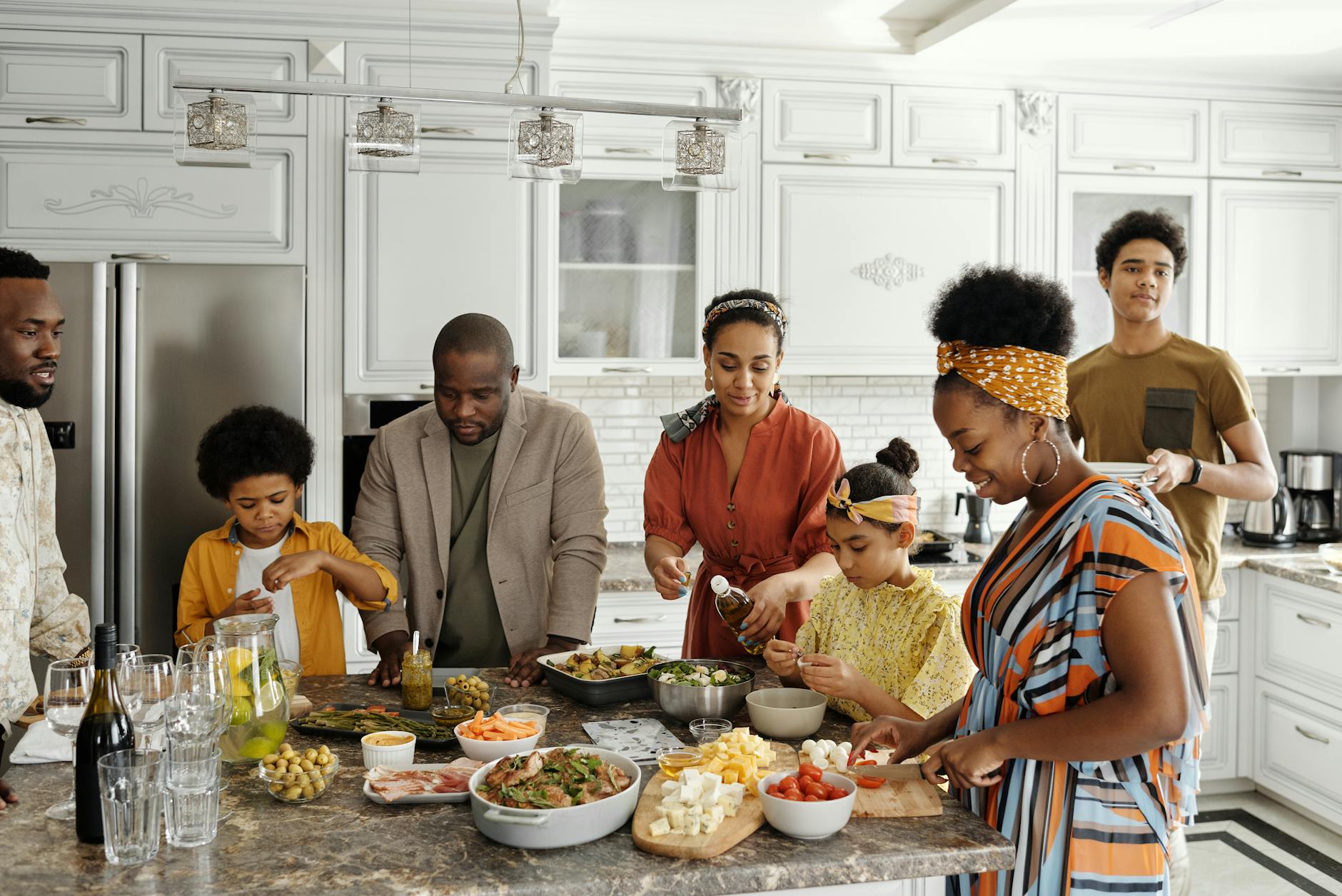
Ensuring food safety in your home kitchen is essential for maintaining the health and well-being of your family. From proper food storage to maintaining the right cooking temperatures, adhering to best practices can significantly reduce the risk of foodborne illnesses. This ultimate guide covers everything you need to know to keep your kitchen safe and your food fresh.
1. Proper Food Storage
Refrigeration and Freezing:
- Refrigerator Temperature: Keep your refrigerator at or below 40°F (4°C) to slow bacterial growth.
- Freezer Temperature: Maintain your freezer at 0°F (-18°C) to preserve food quality and prevent bacterial growth.
- Storage Placement: Store raw meats on the bottom shelf to prevent juices from contaminating other foods. Keep ready-to-eat foods on the top shelves.
Shelf Life and Expiration Dates:
- Understand Dates: “Sell by” dates are for store management, while “best by” dates indicate peak quality. “Use by” dates are the manufacturer’s recommendation for the last day of peak quality.
- Rotate Stock: Use the “first in, first out” method by placing newly purchased items behind older ones to ensure older items are used first.
2. Cooking Temperatures
Using a Food Thermometer:
- Why It’s Important: Visual cues like color or texture can be misleading. A food thermometer ensures food reaches a safe temperature to kill harmful bacteria.
- Safe Temperatures:
- Poultry (whole or ground): 165°F (74°C)
- Ground meats (beef, pork, lamb): 160°F (71°C)
- Fresh beef, veal, lamb (steaks, roasts, chops): 145°F (63°C) with a three-minute rest time
- Pork: 145°F (63°C) with a three-minute rest time
- Fish: 145°F (63°C)
3. Preventing Cross-Contamination
Kitchen Hygiene:
- Separate Cutting Boards: Use different cutting boards for raw meat, poultry, and seafood, and another for vegetables and fruits.
- Sanitize Surfaces: Clean and sanitize countertops, cutting boards, and utensils after preparing each food item.
Handwashing:
- Proper Technique: Wash hands with soap and warm water for at least 20 seconds, especially after handling raw meat, poultry, seafood, or eggs.
4. Thawing and Marinating
Safe Thawing Methods:
- Refrigerator Thawing: Place frozen foods in the refrigerator for gradual thawing.
- Cold Water Thawing: Submerge food in cold water, changing the water every 30 minutes. Ensure the food is in a leak-proof bag.
- Microwave Thawing: Use the microwave’s defrost setting, but cook the food immediately after thawing.
Marinating:
- Refrigerate Marinating Foods: Always marinate foods in the refrigerator, not on the counter.
- Reuse Marinade Safely: Boil used marinade before using it as a sauce to kill any bacteria.
5. Cleaning and Sanitizing
Dishwashing:
- Hot, Soapy Water: Wash dishes, utensils, and cutting boards in hot, soapy water. Rinse with clean water and air-dry or use a clean cloth.
- Dishwasher Use: Dishwashers are effective at sanitizing as they reach high temperatures.
Sanitizing Surfaces:
- Bleach Solution: Use a mixture of 1 tablespoon of unscented liquid chlorine bleach in 1 gallon of water to sanitize surfaces. Apply and let air-dry.
- Frequency: Sanitize countertops and cutting boards after each use, especially after contact with raw meat, poultry, or seafood.
6. Leftovers and Food Safety
Safe Handling:
- Cooling Quickly: Refrigerate leftovers within two hours of cooking (one hour if the temperature is above 90°F/32°C).
- Storage Duration: Eat leftovers within 3-4 days, or freeze them for longer storage.
Reheating:
- Reheat Thoroughly: Reheat leftovers to an internal temperature of 165°F (74°C). Bring sauces, soups, and gravies to a boil.
7. Best Practices for Kitchen Safety
Regular Maintenance:
- Appliance Check: Regularly check and maintain kitchen appliances to ensure they are functioning correctly and clean.
- Pest Control: Keep your kitchen clean and dry to prevent pests. Seal food containers and dispose of garbage regularly.
Educate and Involve Family:
- Family Involvement: Teach children and other family members about food safety practices to ensure everyone contributes to maintaining a safe kitchen environment.
Final Thoughts
Adhering to these food safety guidelines in your home kitchen can significantly reduce the risk of foodborne illnesses. By understanding proper food storage, cooking temperatures, and the importance of cleanliness, you create a safer environment for meal preparation and consumption. Implement these practices diligently to enjoy healthy and safe meals with your loved ones. Happy cooking!


 SIMCEL ONLINE
Leave a Reply