
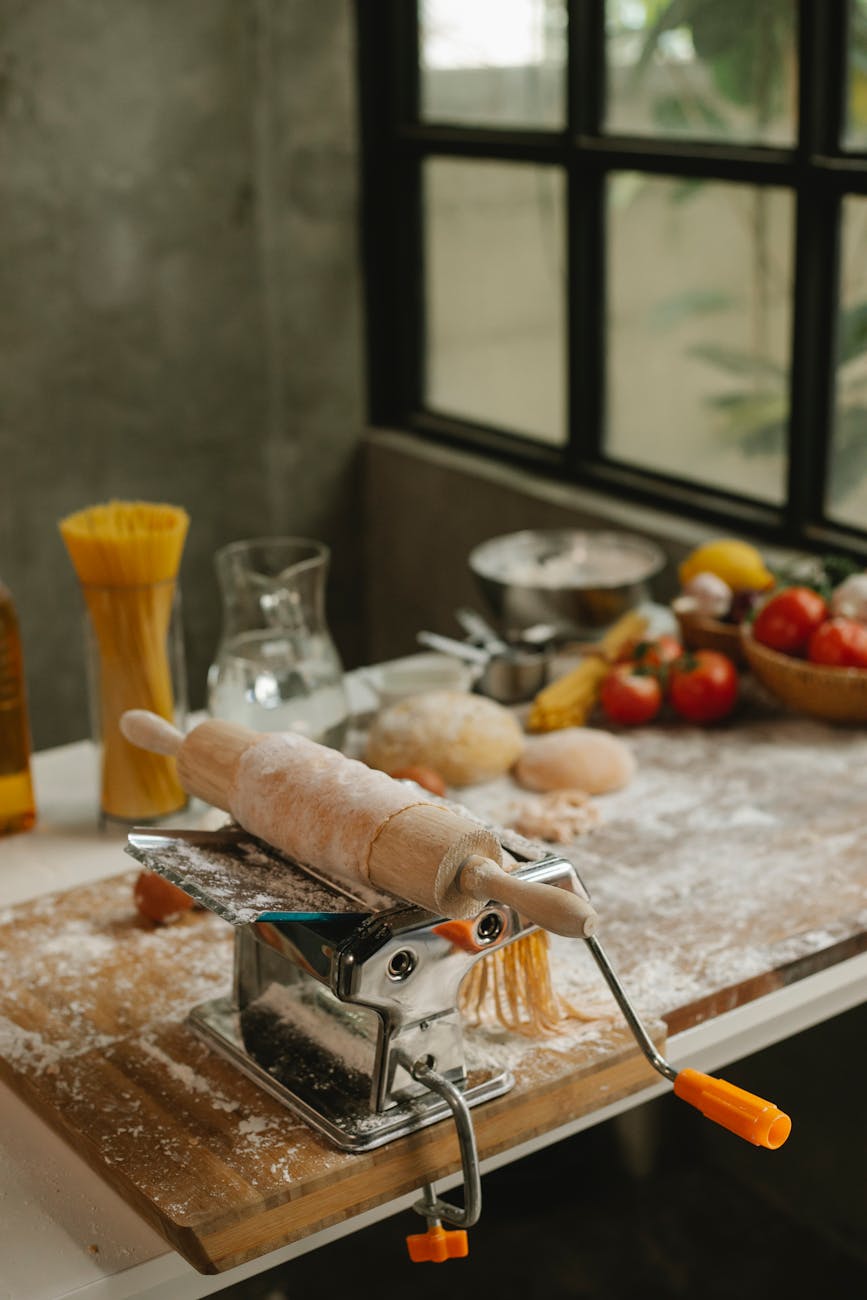
Food allergies are a serious concern for many individuals, and improper handling can lead to severe reactions or even life-threatening situations. Whether you’re a home cook or a food service worker, it’s crucial to understand how to manage food allergens safely. This guide offers practical tips for preventing cross-contact and ensuring safe food preparation.
Understanding Food Allergens
Common Allergens: The most common food allergens, often referred to as the “Big Eight,” include:
- Milk
- Eggs
- Fish
- Shellfish
- Tree nuts
- Peanuts
- Wheat
- Soy
These allergens can trigger reactions ranging from mild symptoms to anaphylaxis, a severe, life-threatening reaction.
Tips for Home Cooks
- Read Labels Carefully:
- Ingredients: Always check ingredient labels for allergens. Manufacturers must list common allergens on packaged foods.
- Hidden Ingredients: Be aware of hidden sources of allergens, such as casein in some processed meats or tree nut oils in certain sauces.
- Prevent Cross-Contact:
- Separate Equipment: Use separate cutting boards, utensils, and cookware for allergen-free cooking.
- Clean Thoroughly: Wash all surfaces and equipment with hot, soapy water after exposure to allergens.
- Avoid Shared Containers: Do not dip a spoon used in an allergen-containing dish into another dish.
- Safe Food Preparation:
- Designate Areas: If possible, designate specific areas of your kitchen for allergen-free cooking.
- Store Separately: Keep allergen-free foods stored separately from allergen-containing foods.
- Educate Your Household:
- Family Awareness: Ensure all family members are aware of the allergy and understand the importance of preventing cross-contact.
- Label Foods: Clearly label foods that are allergen-free to avoid confusion.
Tips for Food Service Workers
- Staff Training:
- Regular Training: Provide regular training for all staff on allergen awareness and safe food handling practices.
- Emergency Procedures: Train staff on recognizing allergic reactions and the steps to take in an emergency.
- Communication:
- Customer Interaction: Ask customers about food allergies when taking orders. Clearly note any allergies on the order and communicate this to the kitchen staff.
- Menu Information: Provide clear and accurate information about the ingredients used in your dishes. Consider having an allergen menu available.
- Kitchen Practices:
- Separate Preparation Areas: If possible, designate separate preparation areas for allergen-free meals.
- Color-Coded Equipment: Use color-coded cutting boards, knives, and other equipment to distinguish between allergen-free and regular food preparation.
- Clean and Sanitize: Thoroughly clean and sanitize all surfaces, utensils, and equipment after exposure to allergens.
- Cooking and Serving:
- Separate Cooking: Cook allergen-free meals separately from other foods to avoid cross-contact.
- Dedicated Servers: If possible, use dedicated servers or serving utensils for allergen-free meals.
- Labeling and Packaging:
- Clear Labels: Clearly label all packaged foods with allergen information.
- Safe Packaging: Use separate packaging for allergen-free foods to prevent cross-contact during storage and transport.
Emergency Preparedness
Know the Signs:
- Symptoms of an allergic reaction can include hives, swelling, difficulty breathing, and anaphylaxis. Be aware of these signs and act quickly.
Emergency Plan:
- Epinephrine Access: Ensure that epinephrine auto-injectors are easily accessible and that staff know how to use them.
- Emergency Contacts: Have emergency contact numbers readily available and know the location of the nearest hospital.
Handling food allergens safely is a critical responsibility for home cooks and food service workers alike. By implementing these tips and best practices, you can create a safer environment for those with food allergies, reducing the risk of accidental exposure and severe allergic reactions. Awareness, education, and vigilance are key to managing food allergens effectively. Stay informed and proactive to ensure everyone can enjoy meals safely and confidently.


 SIMCEL ONLINE
Leave a Reply