
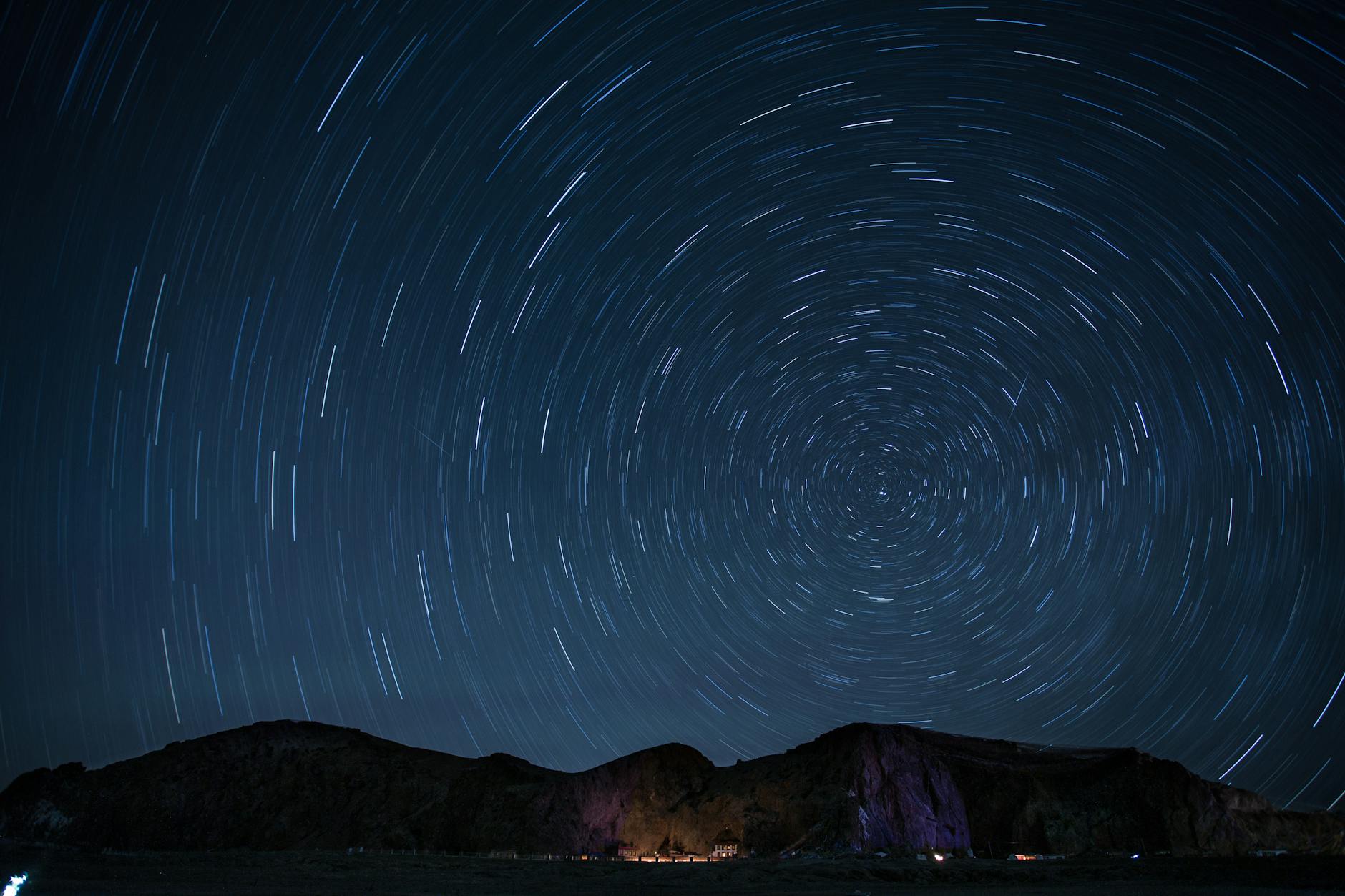
Space exploration has always captivated the human imagination, pushing the boundaries of what we know about the universe and our place within it. From the first tentative steps beyond Earth’s atmosphere to ambitious plans for colonization of other planets, the journey of space exploration is filled with awe-inspiring discoveries and achievements. Here are 10 mind-blowing facts that showcase the wonders of space exploration:
- The Voyager Probes’ Journey: Launched in 1977, Voyager 1 and Voyager 2 have traveled farther from Earth than any other human-made objects. Voyager 1, in particular, has entered interstellar space, making it the most distant human-made object from Earth.
- International Space Station (ISS) Orbit: The ISS orbits the Earth approximately every 90 minutes, traveling at a speed of about 17,500 miles per hour (28,000 kilometers per hour). This means that astronauts on the ISS experience 16 sunrises and sunsets every day.
- Martian Water: Recent discoveries have confirmed the presence of liquid water on Mars, raising the possibility of microbial life existing beneath the planet’s surface. This finding has significant implications for future manned missions to Mars.
- The Great Red Spot: Jupiter’s Great Red Spot is a massive storm that has been raging for at least 400 years. It is so large that three Earths could fit inside it, and its winds can reach speeds of up to 400 miles per hour (644 kilometers per hour).
- Black Holes: Black holes are regions of spacetime where gravity is so strong that nothing, not even light, can escape from them. Despite their mysterious nature, scientists have been able to indirectly observe black holes through their effects on nearby stars and gas.
- Space Debris: There are over 500,000 pieces of space debris orbiting the Earth, ranging from tiny paint flecks to defunct satellites. This debris poses a significant risk to space missions and satellites, highlighting the importance of space debris mitigation efforts.
- The Goldilocks Zone: The habitable zone, often referred to as the “Goldilocks Zone,” is the region around a star where conditions are just right for the existence of liquid water and, potentially, life as we know it. Finding exoplanets within this zone is a key focus of exoplanet research.
- The Hubble Space Telescope: Launched in 1990, the Hubble Space Telescope has provided humanity with breathtaking images of distant galaxies, nebulae, and other cosmic phenomena. Its discoveries have revolutionized our understanding of the universe.
- Space Tourism: The concept of space tourism is becoming a reality, with companies like SpaceX and Blue Origin offering commercial spaceflight opportunities to private individuals. Soon, anyone with sufficient funds may have the chance to experience space firsthand.
- The James Webb Space Telescope (JWST): Scheduled for launch in 2022 (at the time of writing), the JWST promises to be the most powerful space telescope ever built. It will enable scientists to peer deeper into the universe than ever before, potentially unlocking secrets about the origins of galaxies and the formation of stars.
These mind-blowing facts about space exploration remind us of the boundless possibilities that lie beyond our planet. As we continue to push the boundaries of our knowledge and technology, the mysteries of the cosmos await us, ready to be explored and understood.


 SIMCEL ONLINE
Leave a Reply