
Financial emergencies can strike unexpectedly, disrupting your financial stability and causing stress and uncertainty. Whether it’s a medical emergency, job loss, or unexpected home repairs, being prepared can make all the difference in weathering the storm with confidence. By taking proactive precautions and building financial resilience, you can mitigate the impact of emergencies and safeguard your financial well-being. Here are ten essential precautions to help you prepare for financial emergencies effectively.
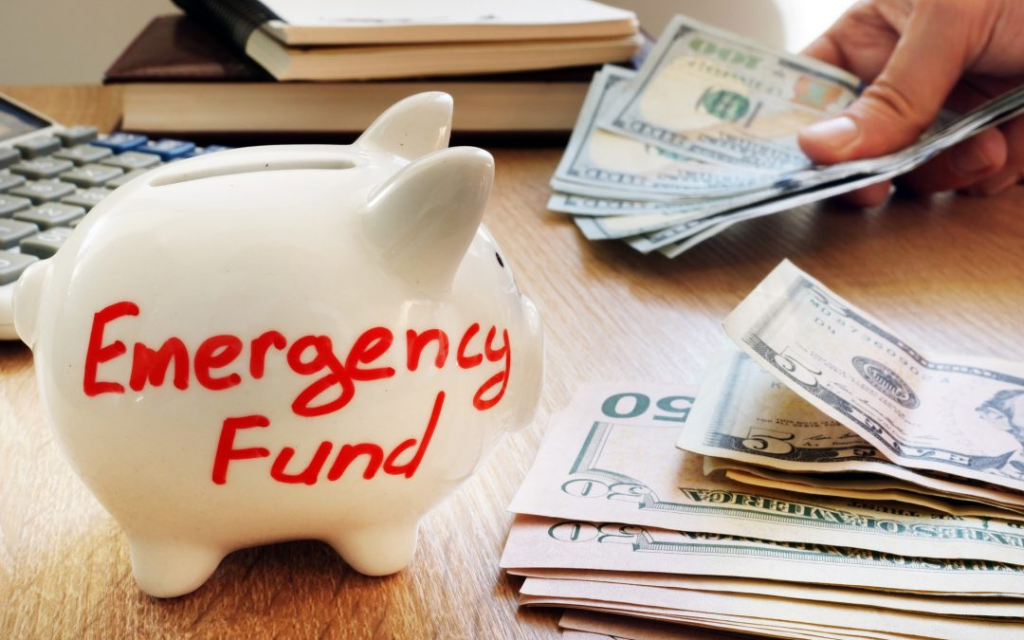
Establish an Emergency Fund: Building an emergency fund is the cornerstone of financial preparedness. Set aside a dedicated savings account to cover unexpected expenses, such as medical bills, car repairs, or temporary loss of income. Aim to accumulate three to six months’ worth of living expenses in your emergency fund to provide a financial safety net during challenging times.
Create a Budget and Stick to It: Establishing a budget is essential for managing your finances effectively and identifying areas where you can save and allocate funds towards your emergency fund. Track your income and expenses, distinguishing between essential needs and discretionary spending. By living within your means and adhering to your budget, you can build savings and enhance your financial resilience.
Maintain Adequate Insurance Coverage: Protect yourself against unforeseen risks by maintaining adequate insurance coverage. This includes health insurance to cover medical expenses, life insurance to provide financial security for your loved ones, disability insurance to replace lost income in the event of disability, and property insurance to protect your home and belongings against damage or loss.
Diversify Your Income Sources: Relying solely on one source of income leaves you vulnerable to financial shocks in the event of job loss or income disruption. Explore opportunities to diversify your income sources, such as freelancing, part-time work, rental income, or passive income streams. Having multiple streams of income can provide stability and resilience during times of economic uncertainty.
Reduce Debt and Avoid High-Interest Loans: Paying down debt is essential for strengthening your financial position and reducing financial stress during emergencies. Prioritize debt repayment, focusing on high-interest loans first to minimize interest charges. Avoid taking on new debt whenever possible, and resist the temptation of high-interest loans or credit cards that can exacerbate financial difficulties.
Build Skills and Invest in Education: Investing in your skills and education enhances your earning potential and resilience in the face of economic challenges. Continuously seek opportunities to develop new skills, pursue certifications, or advance your education to remain competitive in the job market and adapt to changing industry trends.
Prepare a Financial Contingency Plan: Develop a comprehensive financial contingency plan outlining steps to take in the event of a financial emergency. This includes identifying essential expenses to prioritize, exploring available resources and support networks, and establishing communication channels with creditors or financial institutions if you anticipate difficulties meeting financial obligations.
Regularly Review and Update Your Plan: Financial preparedness is an ongoing process that requires regular review and updates. Periodically assess your financial situation, reassess your goals and priorities, and adjust your emergency fund, budget, and contingency plan accordingly. Life circumstances and financial goals may change over time, so staying proactive and flexible is key to maintaining financial resilience.
Seek Professional Financial Advice: If you’re unsure about how to prepare for financial emergencies or navigate challenging financial situations, consider seeking professional financial advice. A certified financial planner or advisor can provide personalized guidance and strategies tailored to your specific needs and circumstances, helping you make informed decisions and achieve your financial goals.
Stay Informed and Remain Calm: Finally, stay informed about economic trends, financial best practices, and available resources to help you prepare for emergencies effectively. Knowledge is power, and being informed empowers you to make sound financial decisions and take proactive steps to protect your financial well-being. Remember to remain calm and focused during times of crisis, and lean on your support network for guidance and assistance.
Conclusion:
Financial emergencies are inevitable, but with proper preparation and proactive precautions, you can minimize their impact and navigate through challenging times with confidence. By establishing an emergency fund, creating a budget, maintaining insurance coverage, diversifying income sources, reducing debt, and staying informed, you can build financial resilience and protect your financial future. Take control of your finances today and prepare for whatever the future may hold, knowing that you’re equipped to handle whatever comes your way.


 SIMCEL ONLINE
Leave a Reply