
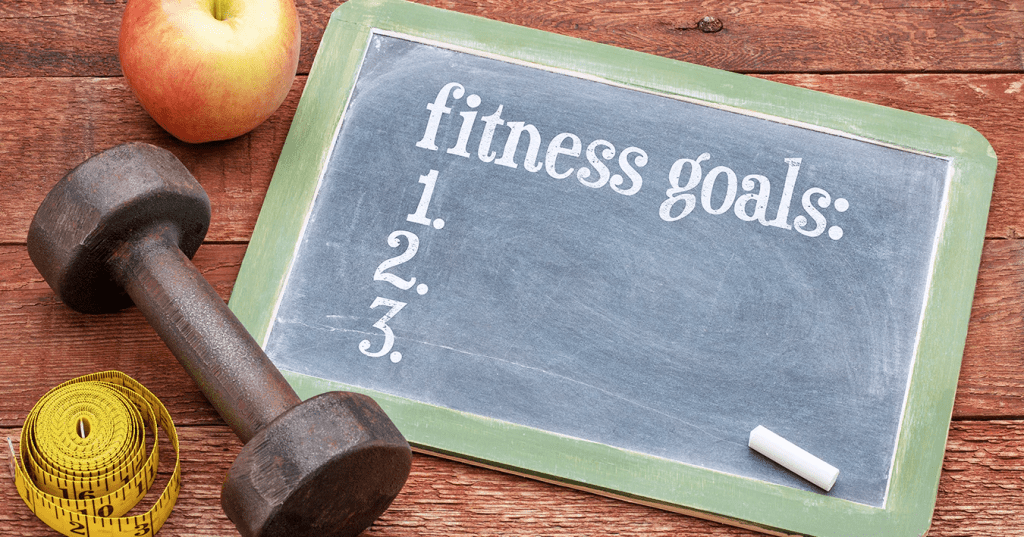
Embarking on a fitness journey is a commendable decision, but it’s not just about hitting the gym or going for a run. Success in fitness requires a well-thought-out plan, and at the heart of this plan lies the establishment of realistic fitness goals. Setting achievable milestones is not just a matter of wishful thinking; it’s a strategic approach that paves the way for sustainable progress and long-term success.
Why Realistic Fitness Goals Matter:
- Sustainable Progress: Setting realistic fitness goals allows you to progress steadily without feeling overwhelmed. It’s like building a staircase – each step forward is manageable and propels you closer to your ultimate destination. Unrealistic goals, on the other hand, often lead to frustration and burnout, hindering your journey instead of advancing it.
- Motivation Boost: Achieving smaller, realistic goals provides a constant source of motivation. Every milestone reached serves as affirmation that you’re on the right track, fueling your determination to continue. This positive reinforcement creates a cycle of success, where each accomplishment inspires you to strive for the next.
- Prevents Injury: Rushing toward unattainable goals can lead to overexertion and injury. Whether it’s lifting heavier weights or increasing running mileage, pushing beyond your limits too quickly puts you at risk. Realistic goals promote gradual progression, giving your body time to adapt and reducing the likelihood of setbacks.
- Mental Well-being: The journey to fitness is not just physical; it’s also mental and emotional. Unrealistic goals can take a toll on your mental health, leading to feelings of inadequacy and self-doubt. Conversely, setting achievable goals fosters a positive mindset, instilling confidence in your abilities and enhancing your overall well-being.
- Long-Term Success: Fitness is a lifelong commitment, not a quick fix. Realistic goals lay the foundation for sustainable habits that extend far beyond reaching a specific weight or body fat percentage. By focusing on achievable objectives, you cultivate a lifestyle that prioritizes health and longevity, ensuring that your efforts yield lasting results.
Tips for Setting Realistic Fitness Goals:
- Be Specific: Clearly define what you want to achieve, whether it’s improving strength, endurance, flexibility, or overall health.
- Set Measurable Targets: Establish concrete metrics to track your progress, such as lifting a certain weight or completing a specific distance within a set time frame.
- Gradual Progression: Break down your ultimate goal into smaller, manageable steps. Focus on making incremental improvements rather than aiming for drastic changes overnight.
- Consider Your Current Abilities: Assess your starting point realistically and set goals that challenge you without overwhelming you.
- Be Flexible: Allow room for adjustments as you progress. Your goals may evolve as you gain experience and insight into what works best for you.
Conclusion: In the pursuit of fitness, setting realistic goals is not a sign of limitation but of wisdom. It’s about acknowledging where you are, envisioning where you want to be, and charting a course that bridges the gap between the two. By embracing achievable milestones, you empower yourself to make meaningful progress, cultivate a positive mindset, and ultimately achieve success that endures beyond the confines of a gym or a scale. So, dare to dream big, but remember to ground your aspirations in the reality of what you can realistically accomplish.


 SIMCEL ONLINE
Leave a Reply