
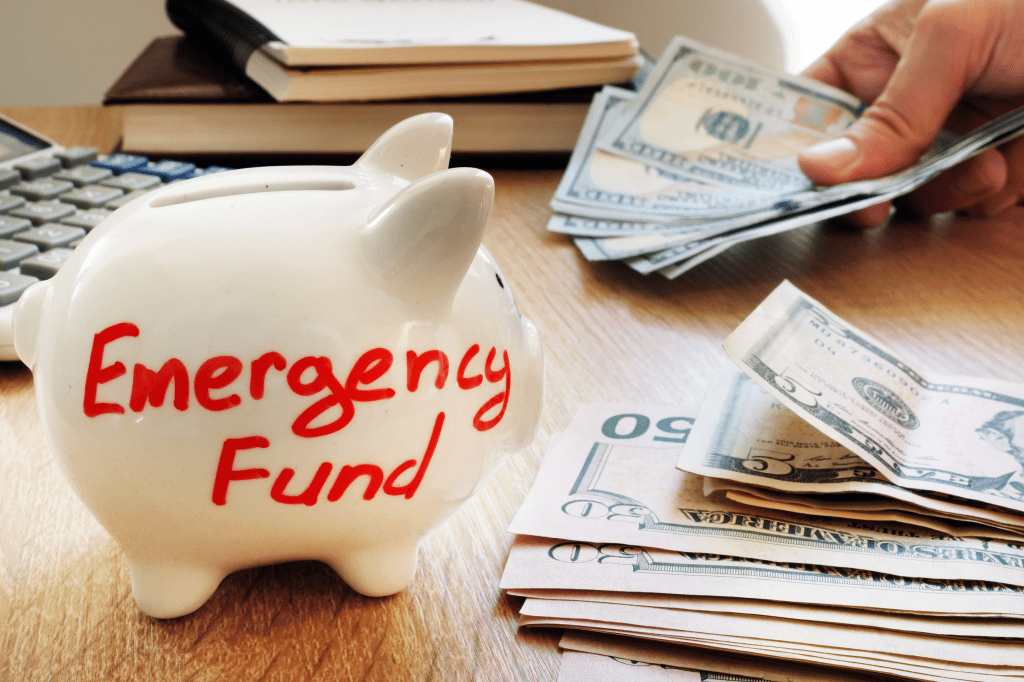
An Emergency Fund is a financial cushion that provides security and stability in times of unexpected expenses or income disruptions. Its significance cannot be overstated, as it shields individuals and families from financial turmoil during emergencies.
Method 1: Establishing a Budget
Understanding Income and Expenses
To lay the foundation for an emergency fund, it’s crucial to comprehend your financial inflows and outflows. Tracking income sources and expenses offers insights into spending habits and areas ripe for saving.
Identifying Areas for Saving
Through meticulous examination of expenditures, pinpoint categories where spending can be curtailed. This could range from dining out less frequently to reassessing subscription services.
Implementing Budgeting Tools and Techniques
Various tools, such as budgeting apps and spreadsheets, aid in organizing finances. Employing techniques like the envelope system or zero-based budgeting enhances budget effectiveness.
Method 2: Automating Savings
Setting Up Automatic Transfers
Automation simplifies savings by directing a portion of income into the emergency fund automatically. Schedule recurring transfers from checking to savings accounts to ensure consistency.
Utilizing Employer’s Direct Deposit Options
Many employers offer direct deposit with split options, enabling employees to allocate a portion of their paycheck directly into savings. Leveraging this feature streamlines the saving process.
Exploring Apps and Financial Services for Automatic Saving
Innovative apps and financial services automate savings by rounding up purchases to the nearest dollar and depositing the difference into savings accounts. Explore these options for effortless accumulation.
Method 3: Cutting Expenses
Analyzing and Trimming Non-Essential Spending
Scrutinize discretionary expenses and trim non-essential spending. This could involve reducing luxury purchases or finding more economical alternatives.
Negotiating Bills and Contracts
Negotiate with service providers and creditors to lower bills and interest rates. Often, a simple phone call can result in reduced expenses, freeing up funds for the emergency fund.
Seeking Alternative Cost-Saving Measures
Explore unconventional cost-saving measures such as carpooling, meal prepping, or DIY projects. Small adjustments can accumulate significant savings over time.
Method 4: Generating Additional Income
Exploring Freelancing or Side Gigs
Consider leveraging skills or hobbies for additional income through freelancing or side gigs. Websites and platforms offer various opportunities to earn supplementary funds.
Selling Unwanted Items
Declutter living spaces and generate cash by selling unused or unwanted items. Online marketplaces provide a convenient platform for selling belongings.
Investing in Passive Income Streams
Explore passive income streams like dividend-paying stocks, rental properties, or peer-to-peer lending. These investments generate ongoing income, contributing to the emergency fund.
Method 5: Prioritizing Debt Repayment
Identifying High-Interest Debt
Prioritize repayment of high-interest debt to mitigate financial strain. Focus on credit cards or loans with exorbitant interest rates to free up funds for saving.
Implementing Debt Repayment Strategies
Adopt debt repayment strategies such as the debt snowball or avalanche method to systematically pay off debts. Consistent payments accelerate debt reduction, enabling faster accumulation of savings.
Allocating Savings from Debt Repayment to Emergency Fund
Redirect funds from completed debt payments towards the emergency fund. This ensures a seamless transition from debt elimination to savings accumulation.
Method 6: Utilizing Windfalls and Bonuses
Planning for Unexpected Income
Anticipate unexpected income like tax refunds, bonuses, or inheritances. Incorporate these windfalls into the emergency fund to bolster reserves.
Allocating Windfalls Strategically
Avoid impulsive spending by allocating windfalls strategically. Direct a portion towards immediate needs while earmarking the remainder for long-term savings goals.
Reinforcing Emergency Fund with Unexpected Monetary Influx
Reinforce the emergency fund with unexpected monetary influx to fortify financial security. Treat windfalls as opportunities to enhance financial resilience.
Conclusion
Building an emergency fund requires commitment, discipline, and strategic planning. By employing a combination of budgeting, automation, expense reduction, additional income generation, debt prioritization, and windfall utilization, individuals can cultivate a robust financial safety net. Start small, remain consistent, and watch your emergency fund grow to provide peace of mind and financial stability in times of need.


 SIMCEL ONLINE
Leave a Reply