
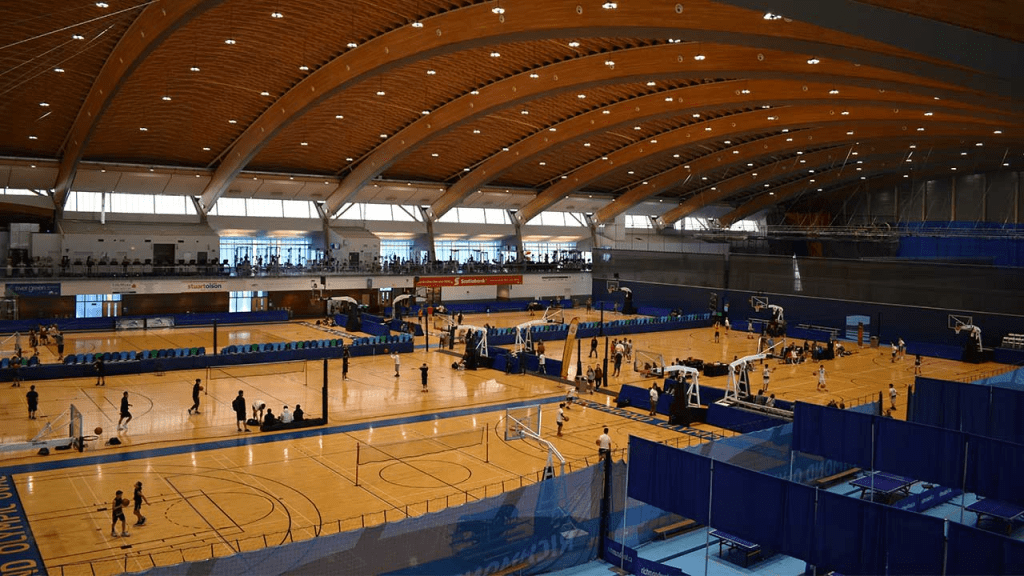
Sports facility management encompasses the strategic oversight and operational coordination of various aspects within sports venues to optimize efficiency and profitability. From stadiums and arenas to fitness centers and recreational complexes, effective facility management plays a pivotal role in ensuring smooth operations and enhancing the overall experience for patrons and stakeholders alike.
Operational Efficiency
Utilization of Space Optimization Techniques
Efficient space utilization is essential for maximizing the functionality and revenue-generating potential of sports facilities. By employing techniques such as dynamic scheduling, modular design, and multi-purpose space allocation, facility managers can optimize space usage to accommodate diverse activities and events. This not only enhances operational efficiency but also allows for flexible adaptation to changing demands and trends in the sports and entertainment industry.
Implementation of Energy-Saving Technologies
Incorporating energy-saving technologies is crucial for reducing operational costs and minimizing environmental impact. From LED lighting and motion sensors to smart HVAC systems and renewable energy sources, leveraging cutting-edge technologies helps sports facilities minimize energy consumption and carbon footprint. Moreover, energy-efficient upgrades not only contribute to cost savings but also enhance sustainability credentials, aligning with increasingly stringent regulations and consumer preferences for eco-friendly venues.
Streamlining Maintenance Processes
Efficient maintenance is essential for preserving the integrity and functionality of sports facilities while minimizing downtime and operational disruptions. By implementing predictive maintenance techniques, leveraging automation and robotics, and outsourcing specialized services, facility managers can streamline maintenance processes and ensure timely upkeep of equipment, infrastructure, and amenities. This proactive approach not only extends the lifespan of assets but also enhances operational reliability and safety standards.
Revenue Generation Strategies
Diversification of Revenue Streams
Diversifying revenue streams is essential for mitigating financial risks and maximizing revenue potential in sports facility management. Beyond traditional sources such as ticket sales and concessions, facilities can explore additional revenue streams such as sponsorships, advertising partnerships, corporate events, and venue rentals. By tapping into various revenue streams, facility managers can create a resilient financial model that is less susceptible to fluctuations in attendance or economic conditions.
Leveraging Technology for Ticketing and Merchandising
Technology plays a pivotal role in optimizing ticketing and merchandising operations, enhancing convenience and accessibility for patrons. From online ticketing platforms and mobile apps to digital signage and cashless payment systems, leveraging technology streamlines transaction processes and enhances the overall customer experience. Moreover, data analytics and customer relationship management tools enable facility managers to personalize marketing efforts, optimize pricing strategies, and drive incremental revenue through targeted promotions and upselling opportunities.
Hosting Events and Partnering with Organizations
Hosting events and forging strategic partnerships with organizations can unlock new revenue opportunities and elevate the profile of sports facilities. From concerts and corporate functions to community events and sports tournaments, hosting diverse events attracts new audiences and generates incremental revenue through ticket sales, sponsorships, and concessions. Additionally, partnering with sports teams, leagues, and governing bodies fosters collaborative opportunities for co-promotion, brand alignment, and revenue sharing, further enhancing the financial viability and visibility of sports facilities.
Customer Experience Enhancement
Enhancing Amenities and Facilities
Delivering an exceptional customer experience relies on providing top-notch amenities and facilities that cater to the diverse needs and preferences of patrons. From state-of-the-art training facilities and premium seating options to upgraded food and beverage offerings and immersive fan zones, investing in amenities enhances the overall value proposition and fosters loyalty among patrons. Moreover, incorporating accessibility features and inclusive design principles ensures that facilities are welcoming and accommodating to all individuals, regardless of age, ability, or background.
Implementing Customer Feedback Mechanisms
Continuous feedback is invaluable for understanding customer preferences, identifying areas for improvement, and enhancing satisfaction levels. By implementing robust feedback mechanisms such as surveys, comment cards, and online reviews, facility managers can gather actionable insights and tailor their offerings and services to better meet customer expectations. Moreover, proactive communication and transparent response mechanisms demonstrate a commitment to customer-centricity and foster trust and loyalty among patrons.
Personalizing Services and Engaging Community
Personalization and community engagement are key drivers of customer loyalty and retention in sports facility management. By segmenting customer profiles and preferences, facility managers can tailor personalized experiences, promotions, and rewards that resonate with different audience segments. Moreover, fostering a sense of community through grassroots initiatives, fan clubs, and social responsibility programs strengthens emotional connections and builds a loyal base of advocates who actively support and promote the facility.
Sustainability Initiatives
Adopting Eco-Friendly Practices
Sustainability is increasingly becoming a core focus in sports facility management, driven by growing awareness of environmental issues and regulatory pressures. From energy and water conservation measures to waste reduction and green procurement policies, adopting eco-friendly practices reduces the environmental footprint of sports facilities and contributes to long-term sustainability. Moreover, implementing sustainable design principles and pursuing green building certifications demonstrate a commitment to environmental stewardship and position facilities as leaders in sustainable sports infrastructure.
Implementing Waste Reduction and Recycling Programs
Efficient waste management is integral to sustainable sports facility management, minimizing landfill waste and promoting resource conservation. By implementing comprehensive waste reduction and recycling programs, facility managers can divert recyclable materials from landfills, reduce disposal costs, and contribute to circular economy principles. Moreover, educating staff and patrons about proper waste sorting and disposal practices fosters a culture of environmental responsibility and empowers individuals to make eco-conscious choices.
Engaging in Community Outreach and Education
Community outreach and education initiatives play a vital role in raising awareness about sustainability issues and mobilizing collective action within the community. Sports facilities can engage stakeholders through educational programs, workshops, and outreach events that promote environmental literacy, conservation practices, and sustainable living habits. Furthermore, partnering with local schools, environmental organizations, and government agencies amplifies the impact of sustainability initiatives and fosters collaborative efforts to address pressing environmental challenges at the local and regional levels.


 SIMCEL ONLINE
Leave a Reply