
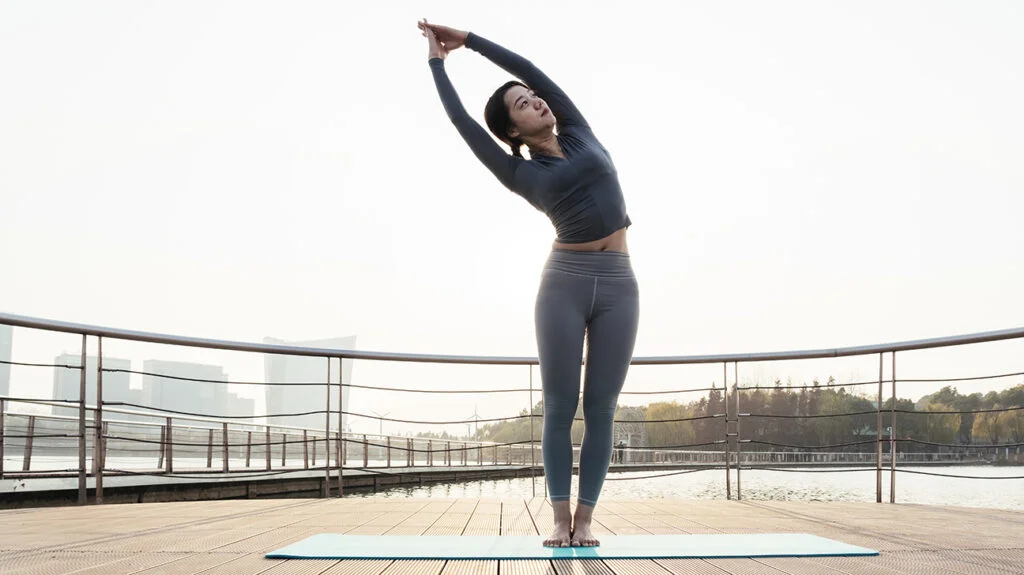
Stretching is an integral part of any exercise routine, playing a crucial role in improving flexibility, preventing injuries, and enhancing overall performance. In this article, we’ll explore the importance of stretching both before and after exercise and discuss the different techniques and benefits associated with each.
Pre-Exercise Stretching
Before diving into your workout, it’s essential to properly prepare your muscles and joints through pre-exercise stretching. Dynamic stretching involves moving through a series of controlled movements that mimic the actions you’ll perform during your workout. This type of stretching helps increase blood flow to the muscles, improves joint range of motion, and primes your body for physical activity.
Dynamic stretching has several benefits, including:
- Improved flexibility: Dynamic stretching helps loosen tight muscles and increase joint mobility, allowing for a greater range of motion during exercise.
- Enhanced performance: By warming up the muscles and activating the nervous system, dynamic stretching can help improve agility, speed, and overall athletic performance.
- Injury prevention: Properly warming up the muscles and joints through dynamic stretching can reduce the risk of strains, sprains, and other exercise-related injuries.
Post-Exercise Stretching
After completing your workout, it’s equally important to incorporate post-exercise stretching into your routine. Unlike dynamic stretching, which involves movement, post-exercise stretching focuses on static stretches, where you hold a stretch for an extended period without moving. Static stretching helps relax the muscles, reduce tension, and improve flexibility, promoting faster recovery and reducing muscle soreness.
Some benefits of post-exercise stretching include:
- Reduced muscle soreness: Stretching after exercise can help alleviate muscle tightness and soreness by increasing blood flow and promoting the removal of waste products from the muscles.
- Improved flexibility: Static stretching helps lengthen the muscles and connective tissues, leading to improved flexibility and range of motion over time.
- Enhanced relaxation: Taking the time to stretch and unwind after a workout can promote relaxation and reduce stress levels, helping you recover both physically and mentally.
Common Mistakes to Avoid
While stretching is essential for overall fitness and well-being, there are some common mistakes that people often make:
- Overstretching: Trying to force your muscles into a deep stretch can lead to injury or strain. It’s essential to listen to your body and stretch to a comfortable level without pushing beyond your limits.
- Skipping stretching altogether: Some people may overlook the importance of stretching and skip it altogether, but this can increase the risk of injury and hinder progress in flexibility and performance. Incorporating stretching into your routine, both before and after exercise, is key to maintaining optimal health and fitness.
In conclusion, stretching plays a vital role in any exercise regimen, helping to improve flexibility, prevent injuries, and enhance overall performance. Whether you’re gearing up for a workout or winding down afterward, taking the time to stretch properly can make a significant difference in your fitness journey. By incorporating dynamic stretching before exercise and static stretching afterward, you can optimize your workouts, reduce the risk of injury, and reap the many benefits that stretching has to offer.


 SIMCEL ONLINE
Leave a Reply