
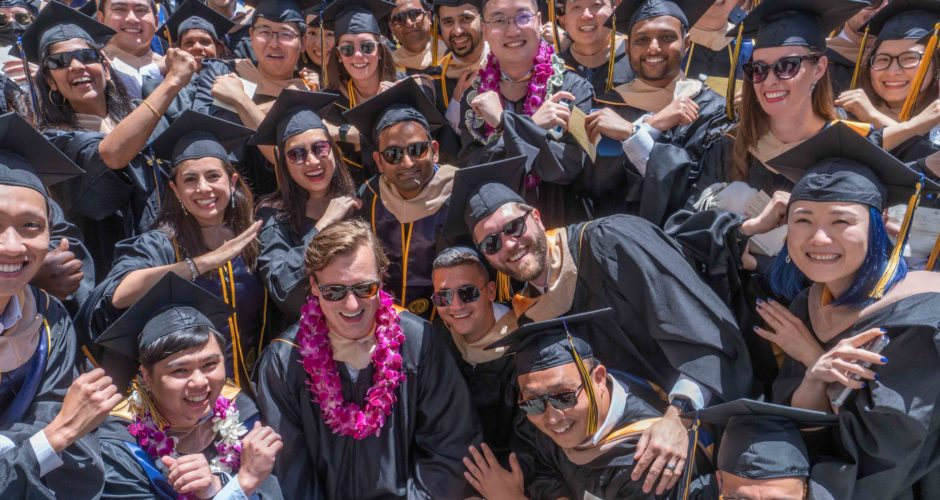
An MSc in International Relations is a graduate-level program that delves into the multifaceted world of global politics, diplomacy, and international cooperation. This program equips students with the knowledge and skills necessary to analyze, understand, and address the complex challenges facing the international community in the 21st century.
Importance of MSc International Relations
Understanding Global Affairs
In an increasingly interconnected world, it is crucial to have a deep understanding of global affairs. An MSc in International Relations provides students with a comprehensive understanding of the political, economic, and social dynamics shaping international relations. By studying topics such as international law, conflict resolution, and global governance, students gain insight into the complexities of the international system and the various actors and institutions involved in global affairs.
Fostering Diplomatic Relations
Diplomacy plays a central role in international relations, serving as a means to manage conflicts, negotiate agreements, and build alliances between states and other actors. MSc programs in International Relations train students in the art of diplomacy, teaching them the principles of negotiation, mediation, and conflict resolution. Through simulated diplomatic exercises and real-world case studies, students develop the skills needed to navigate diplomatic challenges and foster constructive relations between nations.
Promoting Peace and Security
Peace and security are fundamental goals of international relations, yet they remain elusive in many parts of the world. MSc programs in International Relations focus on understanding the root causes of conflict and instability, as well as identifying strategies for promoting peace and security. By studying topics such as conflict analysis, peacebuilding, and humanitarian intervention, students gain insights into the complexities of conflict resolution and contribute to efforts to prevent and resolve conflicts around the world.
Curriculum and Course Offerings
Core Courses
The curriculum of an MSc in International Relations typically includes a set of core courses covering fundamental concepts and theories in international relations. These courses may include topics such as international politics, diplomatic history, global governance, and international law. Core courses provide students with a solid foundation in the field of international relations, enabling them to analyze complex issues and develop informed perspectives on global affairs.
Specialization Tracks
Many MSc programs offer specialization tracks or elective courses that allow students to tailor their education to their specific interests and career goals. Specialization tracks may focus on areas such as security studies, development studies, or regional studies (e.g., Middle East, Asia, Europe). Students can choose elective courses based on their areas of interest, providing them with opportunities to deepen their expertise and pursue their passions within the field of international relations.
Research Opportunities
MSc programs in International Relations often provide students with opportunities for research and independent study. Students may have the opportunity to conduct original research, write a thesis, or participate in research projects led by faculty members. Research opportunities allow students to apply theoretical concepts to real-world problems, develop critical thinking and analytical skills, and contribute new insights to the field of international relations.
Career Opportunities
Diplomat
One of the most common career paths for graduates of MSc programs in International Relations is diplomacy. Diplomats represent their countries abroad, negotiate agreements, and promote their country’s interests on the international stage. They work in embassies, consulates, and international organizations, engaging in a wide range of diplomatic activities, including diplomatic negotiations, cultural exchanges, and public diplomacy initiatives. With their expertise in international relations and diplomacy, graduates are well-equipped for careers as diplomats in foreign service or international organizations.
International Development Specialist
International development specialists work to address global challenges such as poverty, inequality, and social injustice through international cooperation and development assistance. They work for governments, non-governmental organizations (NGOs), and international organizations, designing and implementing development projects, advocating for policy change, and mobilizing resources to support sustainable development goals. With their expertise in international relations and development studies, graduates are well-positioned for roles as international development specialists in organizations such as the United Nations, World Bank, or international NGOs.
Policy Analyst
Policy analysts analyze political, economic, and social trends, evaluate policy options, and provide recommendations to policymakers, government agencies, and advocacy organizations. They work on a wide range of issues, including foreign policy, trade, security, human rights, and environmental policy. With their expertise in international relations and policy analysis, graduates are well-suited for roles as policy analysts in government, think tanks, research institutes, or consulting firms, where they can contribute to the development of informed and effective policies to address global challenges.
Skills Developed
Negotiation and Diplomacy
Students in MSc programs develop skills in negotiation and diplomacy, learning how to communicate effectively, build relationships, and resolve conflicts in diplomatic settings. They learn negotiation techniques, diplomatic protocols, and cross-cultural communication skills, enabling them to navigate complex diplomatic negotiations and represent their countries’ interests effectively on the international stage. Negotiation and diplomacy skills are essential for careers in diplomacy, international negotiation, and conflict resolution.
Research and Analysis
MSc programs in International Relations emphasize research and analysis skills, teaching students how to gather and evaluate information, analyze data, and develop evidence-based arguments and policy recommendations. Students learn research methodologies, data analysis techniques, and critical thinking skills, enabling them to conduct independent research, evaluate complex issues, and contribute new insights to the field of international relations. Research and analysis skills are valuable for careers in academia, research, policy analysis, and consulting.
Intercultural Communication
Intercultural communication skills are essential for success in international relations, enabling individuals to communicate effectively and build relationships across cultural and linguistic boundaries. MSc programs in International Relations teach students how to navigate cultural differences, understand diverse perspectives, and communicate with people from different cultural backgrounds. Students learn intercultural communication strategies, cross-cultural sensitivity, and language skills, enabling them to work effectively in multicultural environments and bridge cultural divides in diplomatic and international settings.
Application Process and Requirements
Academic Background and Prerequisites
Applicants to MSc programs in International Relations are typically required to hold a bachelor’s degree in international relations, political science, history, economics, or a related field from an accredited institution. Some programs may also require applicants to have a minimum GPA or specific prerequisite coursework in social sciences, languages, or quantitative methods.
Letters of Recommendation
Applicants are usually required to submit letters of recommendation from academic or professional references who can attest to their academic abilities, analytical skills, and potential for success in graduate-level study. Letters should highlight the applicant’s strengths, accomplishments, and suitability for the MSc program in international relations.
Personal Statement
The personal statement is a critical component of the application process, allowing applicants to articulate their reasons for pursuing an MSc in International Relations, their academic and professional background, and their career goals. Applicants should clearly explain why they are interested in the program, what they hope to achieve, and how their background and experiences have prepared them for graduate-level study and a career in international relations.
Language Proficiency
Since international relations involves working with diverse stakeholders from around the world, many MSc programs require applicants to demonstrate proficiency in English or another language commonly used in international settings. Applicants may be required to submit standardized test scores, such as the TOEFL or IELTS, to demonstrate their language proficiency.
Application Deadlines
Be sure to check the application deadlines for MSc programs in International Relations, as they may vary depending on the institution and program. Plan and give yourself plenty of time to gather required materials, complete the application form, and submit all required documents before the deadline.
Conclusion: Shaping the Future of Global Governance through MSc International Relations
Pursuing an MSc in International Relations offers a unique opportunity for individuals to deepen their understanding of global affairs, develop practical skills in diplomacy and negotiation, and contribute to efforts to promote peace, security, and cooperation in the international community. With a solid foundation in international relations theory, research, and practice, graduates are well-equipped for careers in diplomacy, international development, policy analysis, and other fields where they can make a positive impact on global governance and contribute to a more peaceful and prosperous world. Whether you aspire to be a diplomat, international development specialist, policy analyst, or pursue a career in academia or research, an MSc in International Relations can provide the education and training needed to achieve your goals and shape the future of global governance.


 SIMCEL ONLINE
Leave a Reply