
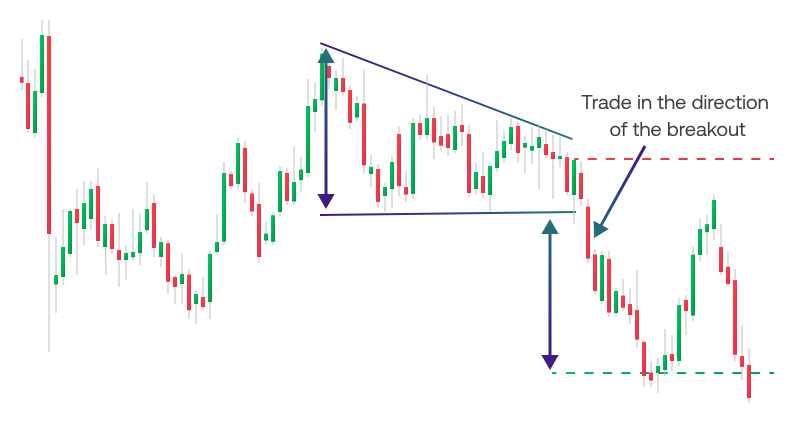
Forex trading, also known as foreign exchange trading, is a lucrative venture that involves the buying and selling of currencies on the foreign exchange market. For beginners venturing into this dynamic realm, understanding the basics and adopting a strategic approach is paramount to success. Here’s a comprehensive guide on how to embark on your forex trading journey in 2024.
I. Introduction
A. Understanding Forex Trading
Forex trading involves the exchange of one currency for another with the aim of making a profit. The forex market operates 24 hours a day, five days a week, making it one of the most liquid and accessible financial markets globally. Traders participate in forex trading through various platforms, executing trades based on fluctuations in currency prices.
II. Getting Started
A. Educate Yourself
Before diving into forex trading, it’s essential to gain a solid understanding of how the market operates. Educate yourself on basic forex terminology, trading strategies, and market analysis techniques. Numerous online resources, books, and courses offer valuable insights into forex trading fundamentals.
B. Choose a Reliable Broker
Selecting a reputable forex broker is crucial for beginners. Look for brokers regulated by reputable financial authorities, offering competitive spreads, reliable trade execution, and user-friendly trading platforms. Conduct thorough research and read reviews to ensure you choose a broker that aligns with your trading needs.
C. Practice with Demo Accounts
To gain practical experience without risking real capital, utilize demo accounts provided by forex brokers. Demo accounts simulate real market conditions, allowing beginners to familiarize themselves with trading platforms, test strategies, and hone their skills without financial consequences.
III. Developing a Trading Strategy
A. Determine Your Risk Tolerance
Assess your risk tolerance before entering the forex market. Understand how much capital you’re willing to risk per trade and establish risk management measures to mitigate potential losses. Having a clear understanding of your risk appetite will guide your trading decisions and help preserve capital.
B. Choose a Trading Style
Forex trading offers various styles, including day trading, swing trading, and position trading. Determine which trading style aligns with your personality, schedule, and risk tolerance. Each style requires different timeframes and strategies, so choose one that suits your preferences and lifestyle.
C. Set Clear Goals
Define your trading goals to establish a clear direction for your forex journey. Whether your objective is to generate consistent income, grow your investment portfolio, or achieve financial independence, setting specific, measurable, achievable, relevant, and time-bound (SMART) goals will keep you focused and motivated.
IV. Risk Management
A. Use Stop-Loss Orders
Implement stop-loss orders to manage risk and protect your capital from substantial losses. Set stop-loss levels based on your risk tolerance and trading strategy to automatically exit losing trades before they escalate. Utilizing stop-loss orders helps maintain discipline and prevents emotional decision-making.
B. Diversify Your Investments
Diversification is key to managing risk in forex trading. Avoid overexposure to any single currency pair or market by diversifying your investment portfolio. Spread your capital across different currency pairs, asset classes, and trading strategies to minimize the impact of adverse market movements.
C. Avoid Emotional Trading
Emotional trading often leads to impulsive decisions and irrational behavior, resulting in poor trading outcomes. Maintain emotional discipline by adhering to your trading plan, sticking to predefined risk management rules, and avoiding succumbing to fear, greed, or FOMO (fear of missing out).
V. Continuous Learning and Adaptation
A. Stay Informed About Market News
Stay updated on global economic events, geopolitical developments, and market news that may impact currency prices. Regularly monitor economic indicators, central bank announcements, and geopolitical tensions to anticipate market movements and make informed trading decisions.
B. Analyze Your Trades
Review and analyze your trading performance regularly to identify strengths, weaknesses, and areas for improvement. Keep a trading journal to document your trades, analyze patterns, and learn from both successful and unsuccessful trades. Reflecting on past trades enhances your trading skills and fosters continuous improvement.
C. Adapt and Improve
The forex market is dynamic and constantly evolving, requiring traders to adapt their strategies to changing market conditions. Stay flexible and open-minded, embracing new trading techniques, technologies, and insights. Continuously seek opportunities to enhance your skills, refine your trading approach, and strive for excellence in forex trading.
Embarking on the journey of forex trading as a beginner in 2024 requires diligence, discipline, and a commitment to continuous learning. By understanding the basics, developing a strategic approach, managing risk effectively, and remaining adaptable, beginners can navigate the forex market with confidence and work towards achieving their financial goals.


 SIMCEL ONLINE