
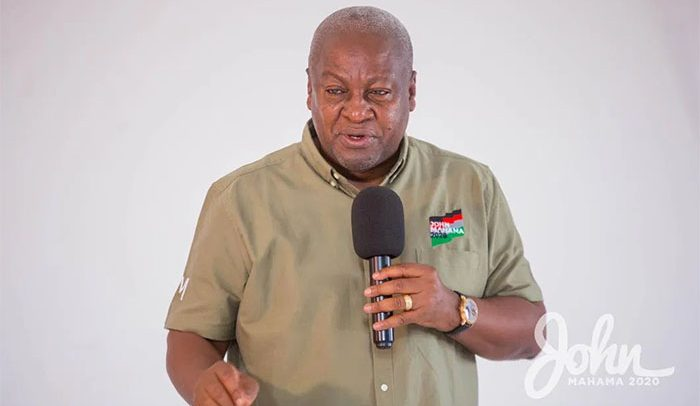
Former Ghanaian President John Dramani Mahama has unveiled plans to establish a Governance Advisory Council aimed at improving political governance, combating corruption, and safeguarding human rights in Ghana. In a recent announcement, Mahama emphasized the importance of fostering transparency, accountability, and inclusivity in governance processes to promote democratic ideals and ensure the well-being of all citizens.
Mahama’s proposal seeks to create a multi-stakeholder platform that brings together representatives from diverse sectors of society, including Civil Society Organizations (CSOs), religious leaders, traditional authorities, and ordinary citizens. The Governance Advisory Council will serve as a forum for dialogue, collaboration, and oversight, with a mandate to address key governance challenges and advocate for reforms that uphold democratic principles and respect for human rights.
Central to the Council’s responsibilities will be the monitoring and evaluation of government performance, with a focus on curbing corruption and promoting accountability in public service. Through regular assessments and consultations, the Council aims to identify areas of concern, propose policy recommendations, and advocate for institutional reforms to strengthen governance structures and practices.
Mahama’s proposal underscores the importance of citizen engagement and participation in the governance process, recognizing the invaluable contributions of civil society actors, community leaders, and grassroots organizations in promoting democratic values and social justice. By empowering diverse voices and perspectives, the Governance Advisory Council aims to foster greater trust, transparency, and responsiveness in government decision-making processes.
Moreover, Mahama envisions the Council as a mechanism for promoting transparency and accountability through the annual release of a “State of Governance in Ghana” report. This comprehensive assessment will provide an independent and objective analysis of key governance indicators, highlighting achievements, challenges, and areas for improvement, and serving as a tool for informed public debate and policy advocacy.
However, establishing the Governance Advisory Council may face challenges, including ensuring its independence, legitimacy, and effectiveness in driving meaningful change. Mahama acknowledges these complexities but remains optimistic about the potential of multi-stakeholder collaboration to strengthen democratic governance and promote social progress in Ghana.
As Ghana strives to consolidate its democratic gains and address governance deficits, Mahama’s proposals offer a framework for building inclusive, responsive, and accountable institutions that serve the interests of all citizens. By harnessing the collective wisdom and expertise of diverse stakeholders, Ghana can chart a course toward a more prosperous and equitable future.
Stay tuned for further updates on this story as efforts to establish the Governance Advisory Council and enhance political governance in Ghana progress.


 SIMCEL ONLINE
Leave a Reply