
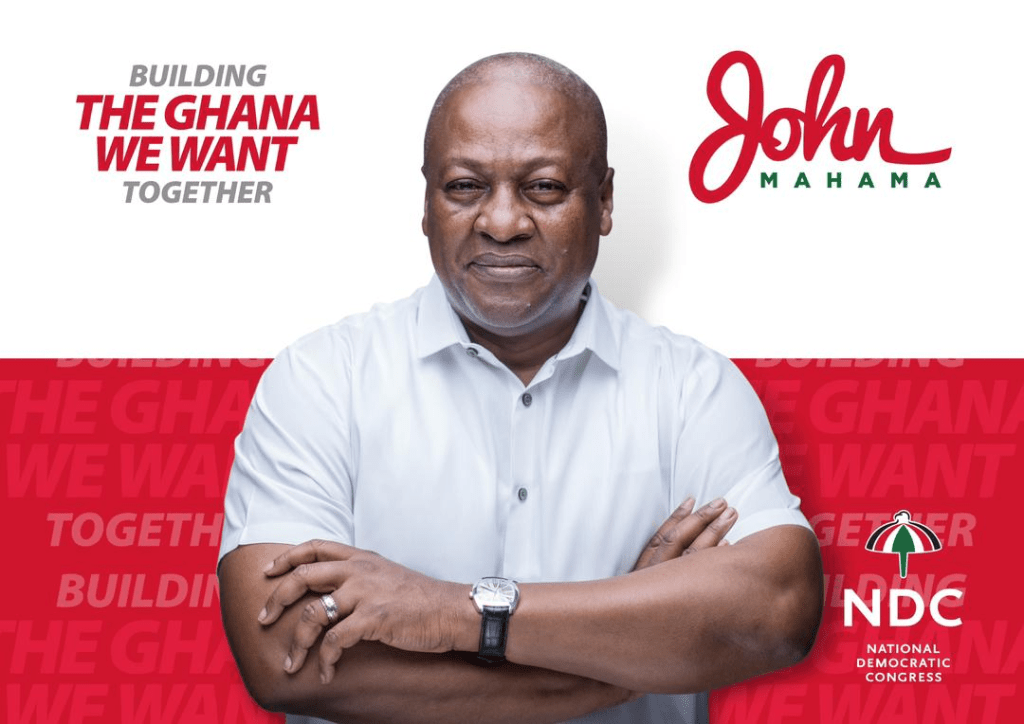
In a recent statement, former Ghanaian President John Dramani Mahama advocated for the implementation of a bold economic strategy aimed at revitalizing Ghana’s economy. The proposal, articulated by Mahama, suggests adopting a 24-hour economy model consisting of three shifts, each lasting eight hours. This initiative, according to Mahama, holds the potential to bring about a multitude of benefits, including heightened productivity and efficiency, a shift towards import substitution and export-led growth, improved access to public services, and the creation of more well-paying job opportunities for unemployed Ghanaians.
Mahama’s vision hinges on leveraging round-the-clock operations to maximize the utilization of resources and infrastructure. By allowing businesses and public services to operate continuously, he aims to address longstanding challenges in the Ghanaian economy while unlocking new avenues for growth and development.
The proposed strategy aligns with Mahama’s broader economic agenda, emphasizing the need for innovative solutions to propel Ghana towards sustainable progress. With a focus on fostering domestic production and international competitiveness, Mahama envisions a transformation of Ghana’s economic landscape, reducing reliance on imports and capitalizing on the nation’s inherent strengths to drive exports and economic diversification.
However, while Mahama’s proposal presents an ambitious vision for Ghana’s economic future, its feasibility and potential implications remain subjects of scrutiny and debate. Critics may raise concerns regarding the logistical challenges of implementing a 24-hour economy, including workforce management, infrastructure readiness, and societal implications. Additionally, questions may arise regarding the compatibility of such a model with Ghana’s existing regulatory framework and cultural norms.
As discussions surrounding Mahama’s economic proposal unfold, stakeholders across various sectors will undoubtedly weigh the potential benefits against the practical realities and complexities of its implementation. Whether this vision will materialize into actionable policy remains to be seen, but Mahama’s call for bold economic transformation underscores the pressing need for innovative strategies to navigate Ghana’s evolving economic landscape.
Stay tuned for further developments on this story as it continues to unfold.


 SIMCEL ONLINE
Leave a Reply