
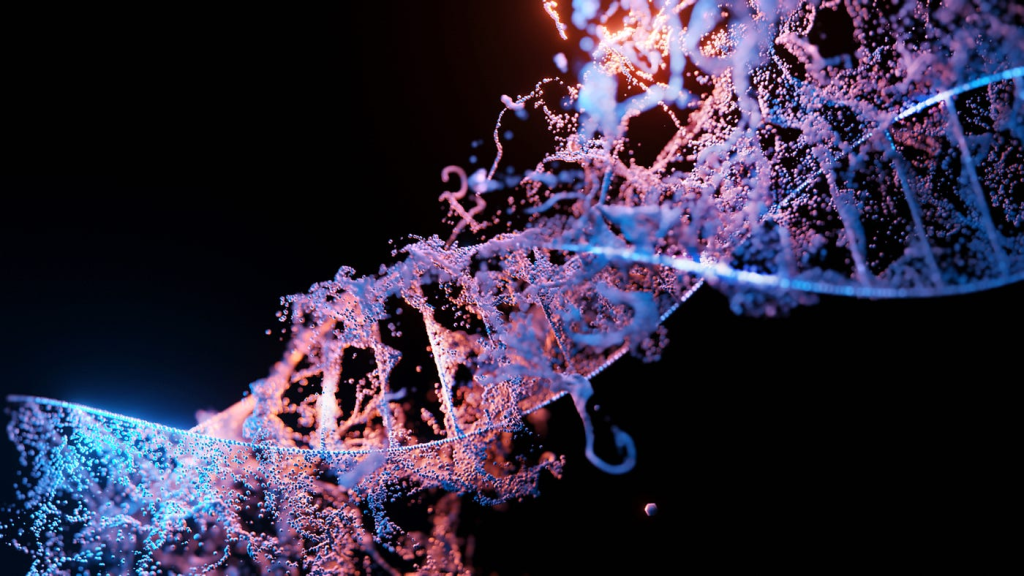
Human nature, that enigmatic combination of traits and tendencies that define us, has long been a subject of fascination and inquiry. In the intricate tapestry of understanding what makes us inherently human, one cannot ignore the profound influence of genetics on behavior. This exploration into the biological basis of human nature unveils the complex interplay between our genes and behavior, shedding light on the mechanisms that shape our essence.
Genetics as the Blueprint
At the very core of our being lies the intricate code of life—our DNA. This genetic blueprint, inherited from our ancestors, serves as the foundation for the intricate dance of behavior. Genes encode the instructions for the development and functioning of our bodies, but they also play a pivotal role in shaping our cognitive processes and emotional responses.
The Role of Nature vs. Nurture
The age-old debate of nature versus nurture finds a fascinating intersection in the realm of genetics and behavior. While environmental factors undoubtedly influence our development, the genetic underpinnings provide a unique lens through which to examine the inherent traits that make us who we are. Unraveling the nuances of this interplay offers a deeper understanding of the biological determinants of our behavior.
Behavioral Genetics: Decoding the Patterns
Enter the realm of behavioral genetics, a field dedicated to unraveling the mysteries of how genes contribute to our actions, thoughts, and emotions. Twin studies, adoption studies, and family studies have been instrumental in teasing apart the genetic and environmental factors that shape various aspects of human behavior. The intricate dance between our genetic makeup and the external world becomes apparent as researchers decipher the patterns embedded in our genes.
Heritability of Traits
Certain traits and behaviors exhibit a notable degree of heritability, indicating the extent to which genes contribute to their variation. From intelligence and personality traits to mental health predispositions, the influence of our genetic code extends into various facets of our existence. However, it’s essential to recognize that heritability does not imply determinism; rather, it underscores the complexity of the interplay between genes and the environment.
Neurotransmitters and Behavioral Modulation
Venturing into the realm of the brain, neurotransmitters emerge as the messengers that bridge the gap between our genetic makeup and behavior. Serotonin, dopamine, and other neurotransmitters play a pivotal role in regulating mood, motivation, and cognitive function. Variations in the genes responsible for neurotransmitter production and reception can influence an individual’s susceptibility to conditions such as depression, anxiety, or addiction, emphasizing the intricate connection between genetics and behavior on a neurochemical level.
Epigenetics: The Symphony of Genes and Environment
The symphony of genetics and behavior finds its nuanced expression in the realm of epigenetics. This emerging field explores how environmental factors can influence gene expression without altering the underlying DNA sequence. Epigenetic modifications serve as dynamic switches that can turn genes on or off, providing a mechanism through which our experiences leave an indelible mark on our genetic landscape.
Implications for Understanding Ourselves
As we navigate the labyrinth of the biological basis of human nature, the implications for understanding ourselves become increasingly apparent. Recognizing the role of genetics in behavior not only unveils the intricacies of our differences but also emphasizes the importance of a holistic approach to human nature—one that considers the dynamic interplay between genes and the environment.
Ethical Considerations and Genetic Determinism
However, with great knowledge comes great responsibility. The revelations about the biological basis of human nature prompt ethical considerations. Guarding against genetic determinism, where individuals may be unfairly judged or pigeonholed based on their genetic predispositions, becomes imperative. Embracing the complexity of human nature requires a nuanced perspective that acknowledges the interactive nature of genes and environment.
Conclusion
In the grand narrative of what it means to be human, the biological basis of human nature emerges as a compelling chapter. Our genes, the ancient storytellers encoded within our DNA, guide the orchestra of our behavior. From the heritability of traits to the dance of neurotransmitters in our brains, the biological tapestry of human nature is both intricate and awe-inspiring. As we unravel its secrets, let us tread with reverence and curiosity, recognizing that within the delicate balance of genes and behavior lies the essence of our humanity.


 SIMCEL ONLINE
Leave a Reply