
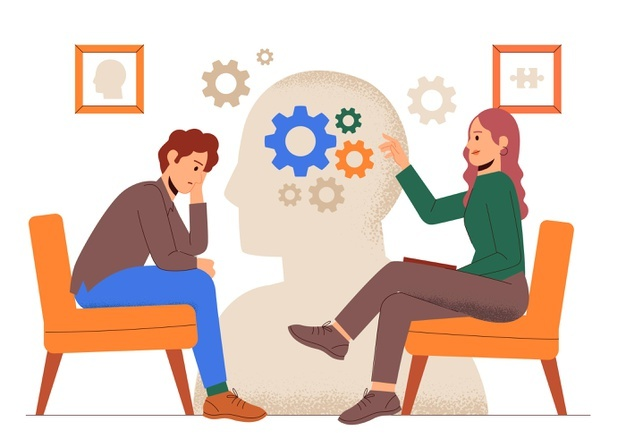
The psychological foundations of human nature are deeply ingrained aspects of the human mind that shape how individuals think, feel, and behave. Several key concepts in psychology help us understand these foundations:
1. Evolutionary Psychology:
- Overview: Focuses on how evolutionary pressures have shaped human psychological traits and behaviors.
- Key Ideas:
- Adaptations: Humans have evolved psychological mechanisms that helped their ancestors survive and reproduce.
- Natural Selection: Traits providing a survival or reproductive advantage are more likely to be passed on.
2. Cognitive Psychology:
- Overview: Studies mental processes such as perception, memory, problem-solving, and decision-making.
- Key Ideas:
- Information Processing: The mind is seen as an information-processing system.
- Cognitive Biases: Systematic patterns of deviation from norm or rationality in judgment, often influenced by heuristics.
3. Behavioral Psychology:
- Overview: Examines observable behaviors and the environmental factors that influence them.
- Key Ideas:
- Conditioning: Learning occurs through associations between stimuli and responses.
- Reinforcement and Punishment: Consequences shape behavior.
4. Social Psychology:
- Overview: Investigates how social influences impact individual behavior, attitudes, and perceptions.
- Key Ideas:
- Social Influence: How others affect our thoughts and actions.
- Social Cognition: How people think about and make sense of themselves and others.
5. Psychodynamic Psychology:
- Overview: Developed by Freud, focuses on the role of the unconscious mind in shaping behavior.
- Key Ideas:
- Unconscious Motivations: Many behaviors are driven by unconscious desires and conflicts.
- Psychosexual Development: Early experiences shape personality.
6. Humanistic Psychology:
- Overview: Emphasizes the importance of personal growth, self-actualization, and subjective experience.
- Key Ideas:
- Maslow’s Hierarchy of Needs: People strive to fulfill basic needs before pursuing higher-level goals.
- Self-Concept: The individual’s perception of themselves.
7. Biopsychology (Neuroscience):
- Overview: Examines the biological basis of behavior, including the role of the brain and nervous system.
- Key Ideas:
- Neurotransmitters: Chemical messengers that transmit signals between nerve cells.
- Brain Structure and Function: How different brain regions contribute to behavior and cognition.
8. Positive Psychology:
- Overview: Focuses on strengths, virtues, and factors that contribute to a fulfilling life.
- Key Ideas:
- Well-Being: Studying factors that lead to a meaningful and happy life.
- Resilience: Understanding how individuals can bounce back from adversity.
9. Cultural Psychology:
- Overview: Examines how cultural factors shape psychological processes.
- Key Ideas:
- Cultural Norms and Values: Influence individual behavior and thought patterns.
- Cross-Cultural Comparisons: Understanding variations in psychological phenomena across different cultures.
10. Emotional Intelligence:
- Overview: Focuses on understanding and managing emotions in oneself and others.
- Key Ideas:
- Emotional Awareness: Recognizing and understanding one’s own and others’ emotions.
- Emotional Regulation: Effectively managing and responding to emotions.
Understanding these psychological foundations provides insights into why humans think and behave the way they do. It also offers valuable perspectives for addressing various psychological challenges and promoting well-being at individual and societal levels.


 SIMCEL ONLINE
Leave a Reply