
I. Introduction
A. The Dynamic Landscape of Forex Trading
B. The Essence of Strategic Trading
C. Navigating the Complexities of the Forex Market
II. Strategy 1: Trend Following
A. Riding the Waves of Market Trends
B. Utilizing Moving Averages for Trend Identification
C. Adapting to Bullish and Bearish Phases
III. Strategy 2: Breakout Trading
A. Seizing Opportunities in Market Breakouts
B. Identifying Key Support and Resistance Levels
C. Utilizing Momentum Indicators for Confirmation
IV. Strategy 3: Range Trading
A. Mastering Price Oscillation Within Ranges
B. Recognizing Range-Bound Markets
C. Implementing Bollinger Bands for Precision
V. Strategy 4: Carry Trade
A. Leveraging Interest Rate Differentials
B. Identifying High-Yielding Currencies
C. Managing Risks in Carry Trade Positions
VI. Strategy 5: Scalping
A. The Art of Quick and Precise Trades
B. Utilizing Short-Term Price Movements
C. Employing Tight Stop-Loss and Take-Profit Levels
VII. Strategy 6: Counter-Trend Trading
A. Profiting from Reversals in Market Trends
B. Recognizing Overbought and Oversold Conditions
C. Using Contrarian Indicators for Entry Points
VIII. Strategy 7: Fundamental Analysis
A. Grasping the Impact of Economic Indicators
B. Analyzing Central Bank Policies
C. Navigating Forex with a Fundamental Lens
IX. Strategy 8: Risk Reversal
A. Hedging Against Adverse Market Movements
B. Implementing Options Strategies for Protection
C. Balancing Risk and Reward in Risk Reversal
X. Strategy 9: Algorithmic Trading
A. Embracing Automation for Precision
B. Designing and Testing Algorithmic Strategies
C. Harnessing Technology for Strategic Execution
XI. Strategy 10: Psychological Resilience
A. The Mindset of a Successful Trader
B. Overcoming Emotional Challenges
C. Fostering Discipline and Patience in Trading
XII. Conclusion
A. The Ever-Evolving Nature of Forex Strategies
B. Encouragement for Traders to Explore and Refine
C. The Ongoing Quest for Success in Forex Trading
Top 10 Forex Trading Strategies for Success
Introduction
In the dynamic realm of Forex trading, success is often synonymous with strategic prowess. Navigating the complexities of the market requires a toolkit of diverse strategies. In this article, we delve into the top 10 Forex trading strategies that can pave the way for success.
Strategy 1: Trend Following
Riding the Waves of Market Trends
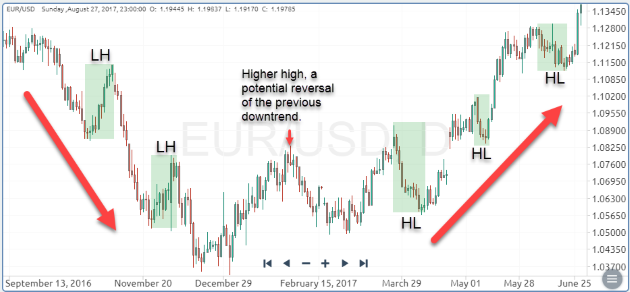
Successful traders often ride the waves of market trends. Identifying and following trends can be achieved through the strategic use of moving averages. These indicators smooth out price data, offering a clear picture of the market’s directional momentum.
Strategy 2: Breakout Trading
Seizing Opportunities in Market Breakouts
Breakout trading involves capitalizing on price movements beyond established support and resistance levels. Traders keen on breakout strategies use technical analysis to identify key levels and momentum indicators to confirm potential breakouts.
Strategy 3: Range Trading
Mastering Price Oscillation Within Ranges
Range trading is an art that involves profiting from price oscillations within well-defined support and resistance levels. Bollinger Bands, a volatility indicator, can be instrumental in identifying optimal entry and exit points within range-bound markets.
Strategy 4: Carry Trade
Leveraging Interest Rate Differentials
Carry trading involves capitalizing on interest rate differentials between currencies. Traders seek to profit by borrowing in a low-interest-rate currency and investing in a higher-yielding one. Effective risk management is crucial in carrying out trade strategies.
Strategy 5: Scalping
The Art of Quick and Precise Trades
Scalping is a high-frequency trading strategy that aims to capture small price movements. Scalpers execute numerous trades in a day, exploiting short-term fluctuations. Tight stop-loss and take-profit levels are essential in mitigating risks in scalping.
Strategy 6: Counter-Trend Trading
Profiting from Reversals in Market Trends
Counter-trend trading involves identifying and profiting from trend reversals. Traders employing this strategy look for overbought and oversold conditions using indicators like the Relative Strength Index (RSI) and act against prevailing market trends.
Strategy 7: Fundamental Analysis
Grasping the Impact of Economic Indicators
Fundamental analysis focuses on the economic factors influencing currency values. Traders delve into economic indicators, central bank policies, and geopolitical events to make informed trading decisions based on the broader economic landscape.
Strategy 8: Risk Reversal
Hedging Against Adverse Market Movements
Risk reversal strategies involve hedging against potential losses by using options. Traders implement options contracts to protect their positions, providing a strategic balance between risk and reward in the volatile Forex market.
Strategy 9: Algorithmic Trading
Embracing Automation for Precision
Algorithmic trading involves the use of computer algorithms to execute trades automatically. Traders design and test algorithmic strategies based on predefined criteria, harnessing technology for precision and efficiency in the execution of trades.
Strategy 10: Psychological Resilience
The Mindset of a Successful Trader
Beyond technical strategies, psychological resilience is integral to success in Forex trading. Traders must cultivate a disciplined mindset, overcome emotional challenges, and practice patience to navigate the inherent uncertainties of the market.
Conclusion
In conclusion, the world of Forex trading offers a diverse array of strategies for traders to explore. Each strategy comes with its unique set of challenges and opportunities. As traders embark on their journey, the key lies not just in adopting a strategy but in refining and adapting it to the ever-evolving nature of the Forex market. Success in Forex is an ongoing quest that requires a combination of strategic acumen, technical expertise, and psychological fortitude to weather the storms and seize the opportunities that the market presents.


 SIMCEL ONLINE
Leave a Reply