
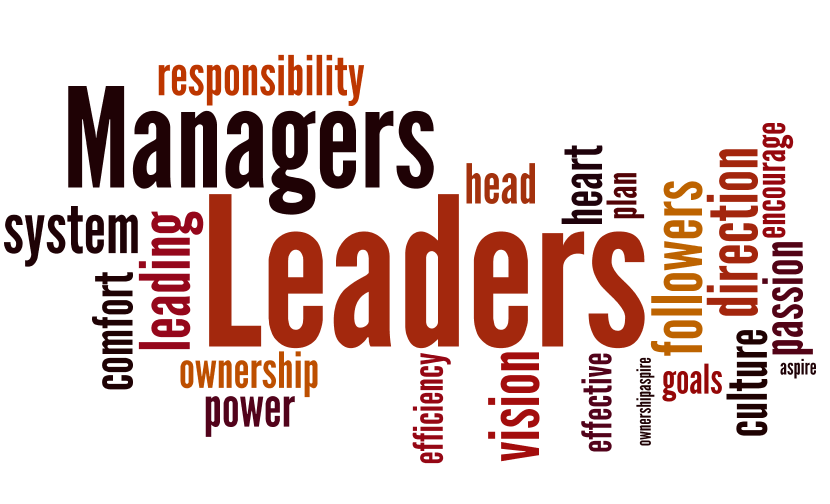
In the dynamic and ever-evolving landscape of business, the roles of leadership and management play pivotal roles in steering the ship toward success. While these terms are often used interchangeably, they represent distinct yet interdependent facets of organizational prowess.
This blog post aims to explore the symbiotic relationship between leadership and management, shedding light on their unique characteristics and the synergy required to propel a team or organization forward.
I. Understanding Leadership:
Leadership is the art of inspiring and influencing individuals to achieve a common goal collectively. A true leader possesses a vision that ignites passion, motivates teams, and fosters a sense of purpose. Leadership extends beyond titles and positions; it’s about embodying values, setting a positive example, and empowering others to realize their full potential.
Key attributes of effective leadership include:
- Vision: A leader envisions the future and communicates a compelling direction to inspire action.
- Inspiration: Leaders motivate and energize their teams through effective communication and enthusiasm.
- Emotional Intelligence: Understanding and managing one’s emotions and those of others fosters strong interpersonal relationships.
- Adaptability: Leaders navigate uncertainty and change with resilience, adapting strategies to meet evolving challenges.
II. The Essence of Management:
Management, on the other hand, involves the organization and coordination of resources to achieve specific objectives. It encompasses planning, organizing, directing, and controlling processes to ensure the efficient functioning of an organization. While leadership provides the vision, management brings structure and order to turn that vision into reality.
Key aspects of effective management include:
- Planning: Managers set goals, create strategies, and develop action plans to achieve organizational objectives.
- Organization: Structuring tasks, roles, and responsibilities ensures that resources are allocated efficiently.
- Coordination: Effective managers synchronize efforts among team members to achieve collective goals.
- Control: Monitoring performance and making necessary adjustments ensures that the organization stays on course.
III. The Symbiosis of Leadership and Management:
The most successful organizations recognize that leadership and management are not mutually exclusive; rather, they are complementary forces driving success. A balance between visionary leadership and strategic management is crucial for sustainable growth.
- Aligning Vision and Execution: Leadership articulates the vision, while management ensures that the necessary steps are taken to realize that vision.
- Empowering Teams: Leaders inspire, while managers provide the support and resources needed for teams to excel.
- Flexibility and Stability: Leadership embraces change, while management provides stability and structure amid uncertainty.
- Continuous Improvement: Leadership fosters innovation, while management ensures processes are refined and optimized.
Conclusion:
In the tapestry of organizational success, leadership and management are intertwined threads, each essential for creating a robust and resilient fabric. Recognizing the distinct contributions and fostering a culture that values and integrates these elements sets the stage for sustained excellence. As leaders and managers navigate the challenges of the modern business landscape, their collaboration becomes the compass guiding teams toward shared objectives, fostering growth, innovation, and success.


 SIMCEL ONLINE
Leave a Reply