
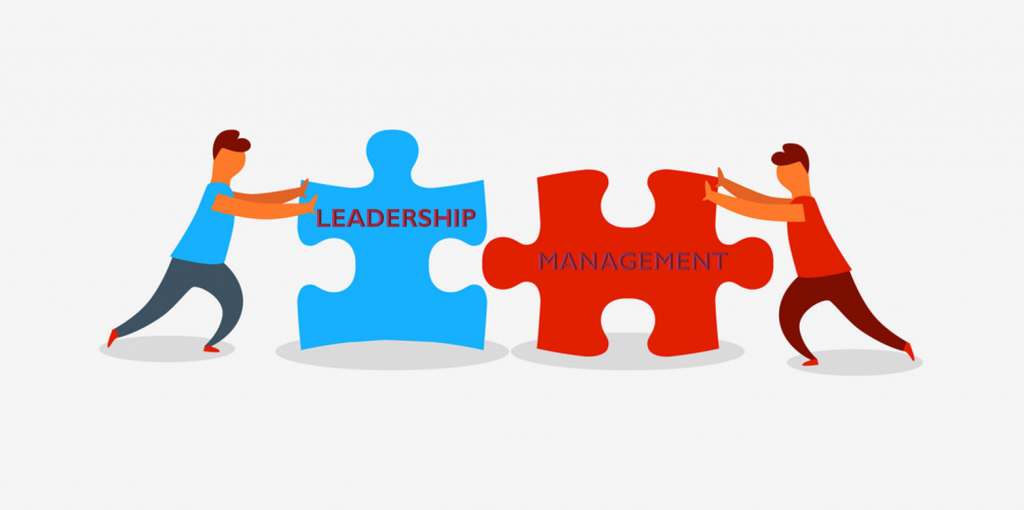
In the intricate dance of organizational success, the partnership between leadership and management is akin to a finely tuned symphony, where each instrument plays a unique role in creating harmony. While leadership and management are distinct concepts, their collaboration is essential for steering a team or organization toward prosperity. In this blog post, we explore the dynamic interplay between leadership and management and how their integration fosters a culture of innovation, efficiency, and sustainable growth.
I. Shared Vision and Clear Direction:
- Leadership’s Role:
- Setting the Vision: Leaders articulate a compelling vision that serves as the North Star for the organization.
- Inspiring Purpose: Leaders inspire and motivate individuals by connecting their work to a broader sense of purpose.
- Management’s Role:
- Strategic Planning: Managers translate the visionary goals into actionable plans, setting clear objectives and timelines.
- Execution: Managers ensure that day-to-day operations align with the strategic vision, implementing processes to achieve goals efficiently.
Working in Tandem: Leadership’s vision provides the destination, while management ensures the journey is well-planned and executed, leading the team toward the shared goal.
II. Empowering People and Building Teams:
- Leadership’s Role:
- Empowerment: Leaders empower individuals by fostering a culture of trust, autonomy, and continuous learning.
- Team Dynamics: Leaders shape a positive and inclusive team culture, encouraging collaboration and celebrating diversity.
- Management’s Role:
- Resource Allocation: Managers allocate resources effectively, ensuring that teams have the tools and support needed to achieve objectives.
- Performance Management: Managers oversee individual and team performance, providing feedback and support for continuous improvement.
Working in Tandem: Leadership empowers individuals to reach their potential, while management ensures that the team is equipped and organized to achieve collective success.
III. Innovation and Operational Excellence:
- Leadership’s Role:
- Encouraging Innovation: Leaders foster a culture of creativity, encouraging team members to think outside the box and explore new ideas.
- Adaptability: Leaders embrace change, guiding the organization through periods of transformation and uncertainty.
- Management’s Role:
- Efficiency and Stability: Managers focus on operational efficiency, implementing processes that ensure stability and consistency in day-to-day operations.
- Risk Management: Managers mitigate risks and challenges, ensuring that innovation is balanced with a commitment to operational excellence.
Working in Tandem: Leadership fuels innovation and adaptability, while management ensures that the organization remains resilient and operationally sound.
IV. Communication and Feedback Loop:
- Leadership’s Role:
- Effective Communication: Leaders communicate the vision, values, and expectations clearly to foster a shared understanding among team members.
- Inspiring Trust: Leaders build trust through transparent communication, creating an open environment where ideas and concerns can be freely shared.
- Management’s Role:
- Feedback Mechanism: Managers establish effective feedback loops, providing regular assessments of individual and team performance.
- Clarity in Expectations: Managers communicate specific expectations and performance standards, ensuring that everyone is aligned with organizational goals.
Working in Tandem: Leadership sets the tone for transparent communication and trust, while management establishes structures for feedback and clarity in expectations.
Conclusion:
In the orchestration of organizational success, leadership, and management are not opposing forces but complementary partners. Their collaboration forms the bedrock of a resilient and thriving organization, where a visionary outlook meets strategic execution. By recognizing the unique strengths of both leadership and management and fostering an environment that encourages their symbiotic relationship, organizations can navigate challenges, inspire innovation, and achieve sustained growth. The true magic lies in the harmonious integration of these two forces, creating a powerful synergy that propels teams toward shared aspirations and excellence.


 SIMCEL ONLINE
Leave a Reply