
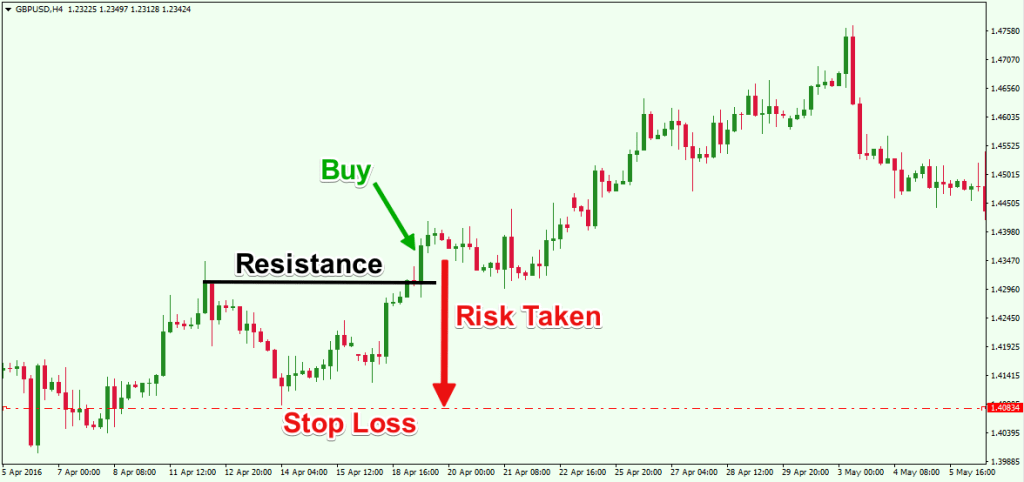
Stop-loss orders are a vital tool in the world of trading, serving as a safeguard against potential losses while helping traders manage risk. In this blog post, we’ll delve into how stop-loss orders work, provide examples to illustrate their use, explore the concept of a 20% stop-loss, discuss the best stop-loss strategies, and introduce the 7% stop-loss rule.
- How Does Stop-Loss Work with Examples?
Stop-loss is a predetermined price level at which a trader exits a trade to limit potential losses. It acts as a safety net, automatically executing a sell order when the market reaches or surpasses the specified price.
Example 1: Let’s say you buy a stock at $100 per share. To manage your risk, you set a stop-loss order at $90. If the stock price falls to $90 or below, the stop-loss order triggers, selling your shares and limiting your loss to $10 per share.
Example 2: In Forex trading, if you enter a long position on EUR/USD at 1.1200 and set a stop-loss at 1.1150, your position will be automatically closed if the currency pair falls to or below 1.1150, limiting your potential loss.
- What Is a 20% Stop-Loss?
A 20% stop-loss is a specific percentage at which a trader decides to exit a trade. This means that if the asset’s price falls by 20% from the entry point, the stop-loss order will trigger. It is a customizable risk management tool that allows traders to set their preferred risk tolerance.
For instance, if you invest in a stock at $50 per share and set a 20% stop-loss, the stop-loss order will activate if the stock’s price falls to $40 or below. This strategy helps protect your capital by limiting losses to 20% of the initial investment.
- What Is the Best Stop-Loss Strategy?
The best stop-loss strategy can vary depending on the trader’s objectives, trading style, and the specific market conditions. Here are some popular stop-loss strategies:
a. Fixed Percentage: Set a fixed percentage (e.g., 10%) below the entry price for your stop-loss. This method ensures that you maintain a consistent risk level.
b. ATR-Based Stop-Loss: Use the Average True Range (ATR) indicator to determine stop-loss levels. ATR measures market volatility, helping traders adjust their stop-loss according to current conditions.
c. Support and Resistance: Place stop-loss orders just below support levels in long positions and just above resistance levels in short positions. This technique considers technical analysis to determine stop-loss levels.
d. Trailing Stop-Loss: Adjust your stop-loss as the trade moves in your favor. This strategy allows you to lock in profits while minimizing potential losses if the market reverses.
e. Time-Based: Set a predetermined time limit for your trade. If your trade doesn’t reach the desired profit or hits a pre-defined stop-loss within the specified time, exit the trade.
The best stop-loss strategy depends on your trading style and market conditions. It’s essential to adapt your approach to the specific asset you’re trading and the market’s current volatility.
- What Is the 7% Stop-Loss Rule?
The 7% stop-loss rule is a risk management guideline, primarily used in stock trading. It suggests that traders should consider selling a stock if its price drops by 7% or more below the purchase price. This rule is especially associated with long-term investors and is commonly linked to the “circuit breaker” mechanism that suspends trading during severe market declines to prevent panic selling.
Conclusion:
Stop-loss orders are a fundamental component of risk management in trading, helping traders limit potential losses and protect their capital. Whether you prefer a fixed percentage, ATR-based, or time-based stop-loss strategy, the key is to use this tool wisely to safeguard your investments while maximizing your trading potential. Understanding how stop-loss orders work and the various ways to implement them is essential for any trader aiming to navigate the markets successfully.


 SIMCEL ONLINE
Leave a Reply