
Managing your finances effectively is essential for achieving your financial goals and maintaining financial stability. In this blog post, we will explore popular budgeting rules, such as the 50-30-20 rule and the 75-15-10 rule, and discuss how they can help you allocate your income wisely.
- What Is the 50-30-20 Rule for Managing Money?
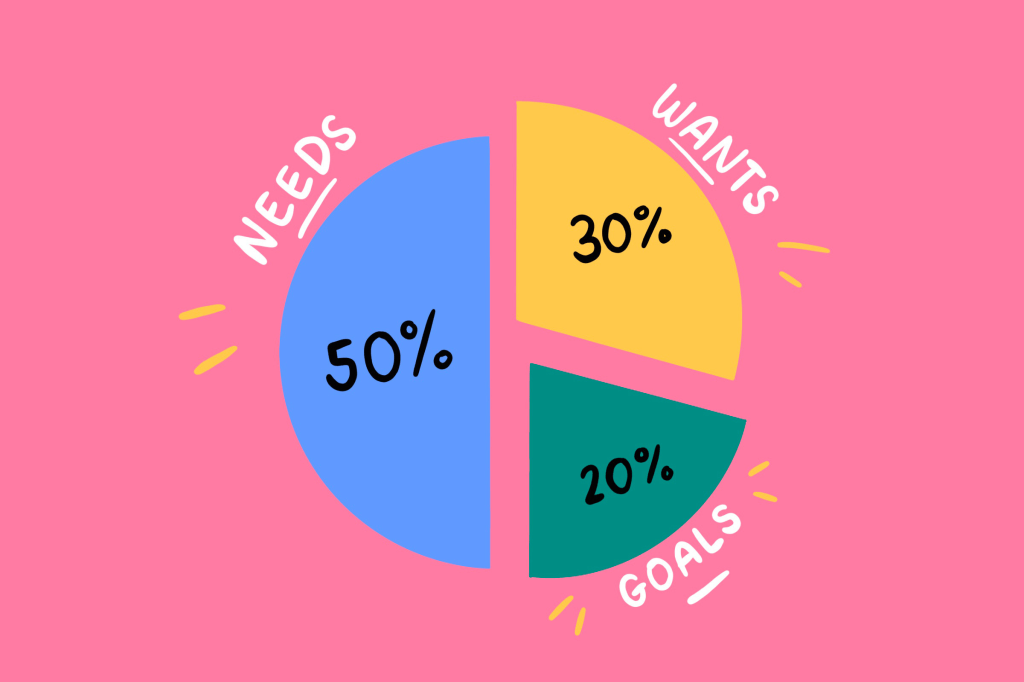
The 50-30-20 rule is a simple budgeting guideline that divides your income into three categories:
a. 50% for Needs: Allocate 50% of your income to cover essential expenses such as housing, utilities, groceries, transportation, and insurance.
b. 30% for Wants: Devote 30% of your income to discretionary spending on non-essential items like dining out, entertainment, travel, and hobbies.
c. 20% for Savings and Debt: Reserve 20% of your income for savings, including retirement savings, emergency funds, and paying down debts.
- What Is an Example of a 50-30-20 Budget?
Let’s look at an example of a 50-30-20 budget for someone with a monthly income of $3,000:
- Needs (50%): $1,500
- Rent/mortgage: $800
- Utilities: $100
- Groceries: $300
- Transportation: $200
- Insurance: $100
- Wants (30%): $900
- Dining out: $150
- Entertainment: $150
- Travel: $100
- Hobbies: $150
- Miscellaneous: $350
- Savings and Debt (20%): $600
- Retirement savings: $200
- Emergency fund: $100
- Debt repayment: $300
- What Is the 75-15-10 Rule?
The 75-15-10 rule is another budgeting strategy that simplifies your financial allocation as follows:
a. 75% for Living Expenses: Allocate 75% of your income to cover living expenses, including housing, utilities, groceries, and transportation.
b. 15% for Savings: Dedicate 15% of your income to savings, which includes building an emergency fund, saving for retirement, and other financial goals.
c. 10% for Leisure: Reserve 10% of your income for leisure activities and personal spending, such as entertainment, dining out, and hobbies.
- What Is the 30-70 Rule for Money?
The 30-70 rule is a guideline that recommends splitting your income in two:
a. 30% for Short-Term Goals: Allocate 30% of your income toward short-term financial goals, such as an emergency fund, paying off high-interest debt, or saving for a specific purchase.
b. 70% for Living Expenses: Use the remaining 70% of your income to cover your essential living expenses, including rent or mortgage, utilities, groceries, and transportation.
Conclusion
Budgeting rules like the 50-30-20 rule, 75-15-10 rule, and 30-70 rule can provide you with structured guidelines for managing your finances. However, it’s essential to remember that these rules are not one-size-fits-all solutions. Your financial situation, goals, and priorities may require some customization. The key is to find a budgeting approach that works for you, helps you achieve your financial objectives, and promotes financial stability and peace of mind. By carefully managing your income and expenses, you can take control of your financial future and work toward a more secure and prosperous life.


 SIMCEL ONLINE
Leave a Reply