
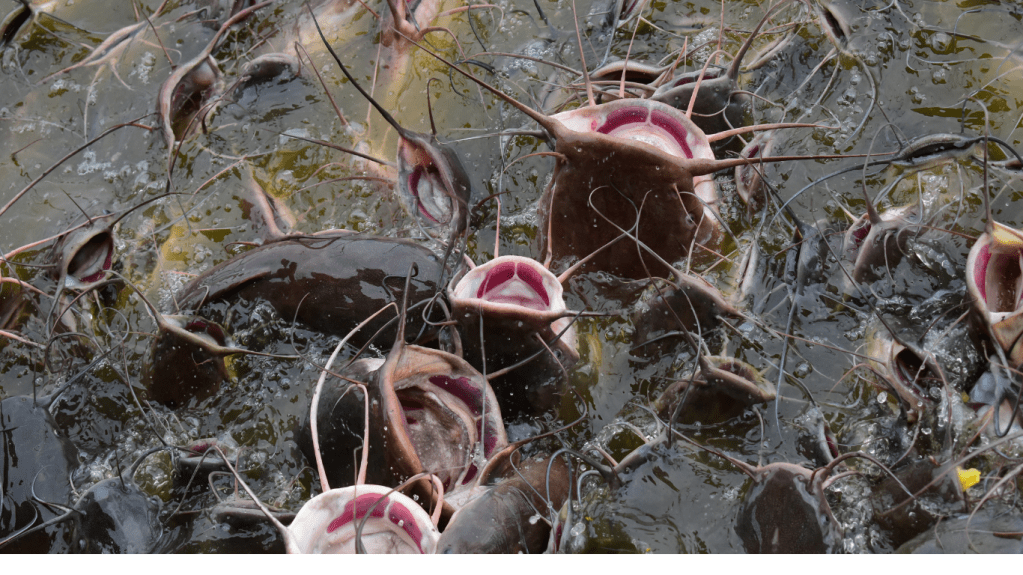
If you’ve ever dreamed of setting up your own thriving catfish farm in your backyard, you’re in the right place. In this comprehensive tutorial, we will guide you through the step-by-step process of creating a 100-catfish farm setup using backyard square tanks. Whether you’re a beginner or looking to expand your aquaculture venture, this guide will help you get started on the path to successful catfish farming.
Step 1: Planning and Research
Before diving into any project, it’s essential to conduct thorough research. Learn about catfish breeds, tank types, water quality management, and necessary permits or regulations in your area. Planning is crucial, and it should include budgeting for equipment, feed, and operational expenses.
Step 2: Selecting a Suitable Location
Choose an appropriate location for your backyard catfish farm. Ensure it has access to a reliable source of water and electricity for aerators, pumps, and lighting. Adequate sunlight exposure is also important for the tanks.
Step 3: Tank Selection and Setup
For a 100-catfish farm, you can opt for multiple square tanks or a few larger ones. Ensure the tanks are made of sturdy, non-toxic materials and equipped with a water inlet and outlet system for water circulation.
Step 4: Water Management
Maintaining water quality is essential for healthy catfish. Install aeration systems, filters, and water heaters (if needed) to control temperature and oxygen levels. Regularly monitor and test the water for pH and ammonia levels.
Step 5: Catfish Fingerlings and Feeding
Purchase healthy catfish fingerlings from a reputable supplier. Ensure proper acclimatization when introducing them to the tanks. Feed the catfish with high-quality fish feed, adjusting the feeding schedule as they grow. Consult with aquaculture experts for guidance on feeding practices.
Step 6: Disease Prevention and Health Management
Catfish can be susceptible to diseases, so implement proper biosecurity measures. Quarantine new fish arrivals, and monitor your fish for signs of illness. Consult a veterinarian if necessary.
Step 7: Tank Maintenance
Regular tank maintenance includes cleaning, removing debris, and inspecting equipment for wear and tear. Ensure the tanks are well-maintained to prevent any issues.
Step 8: Harvesting and Marketing
When your catfish reach the desired size (usually around 6-8 months), it’s time for harvest. Set up a harvesting station and properly handle and store the harvested fish. Develop a marketing strategy, which may include selling to local markets or restaurants.
Step 9: Record Keeping and Learning
Maintain detailed records of your catfish farm’s operations, including expenses, water quality data, and fish growth rates. Regularly assess and adapt your practices based on your experiences and findings.
Conclusion
Starting a 100-catfish farm in your backyard is an exciting venture that can be both rewarding and profitable. With proper planning, research, and ongoing commitment to maintaining water quality and catfish health, you can create a successful aquaculture business. This tutorial provides a foundational guide, but remember that aquaculture requires continuous learning and adaptation to ensure the long-term success of your backyard catfish farm.


 SIMCEL ONLINE
Leave a Reply