
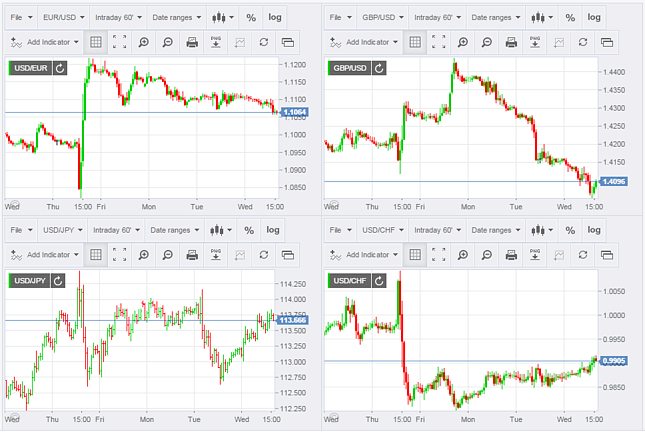
Price action trading is a methodology that relies on the analysis of historical price movements to predict future price direction. It is one of the most popular and effective trading approaches used by both novice and experienced traders. In this blog post, we will explore ten of the best price action strategies that can help you make informed and profitable trading decisions.
- Pin Bar Trading
A pin bar is a candlestick pattern that signifies a potential reversal in the market. A bullish pin bar has a long lower tail, while a bearish pin bar has a long upper tail. Traders often look for pin bars at key support or resistance levels to enter trades.
- Engulfing Candlestick Patterns
Engulfing patterns, including bullish and bearish engulfing, occur when one candle completely engulfs the previous one. This signals a potential trend reversal or continuation, depending on the direction of the engulfing candle.
- Inside Bar Trading
Inside bars are candlestick patterns where the current candle is completely contained within the previous one. Traders use these patterns to identify potential breakouts or consolidation periods in the market.
- Support and Resistance Trading
Identifying key support and resistance levels on a price chart is fundamental to price action trading. These levels represent areas where price has historically reversed, and traders look for price reactions at these levels to enter or exit trades.
- Trendline Trading
Drawing trendlines on a price chart helps traders identify the direction of the prevailing trend. Traders often enter trades when the price approaches and respects trendlines, either bouncing off them or breaking through.
- Double Tops and Bottoms
Double tops and bottoms are reversal patterns that indicate a potential change in trend direction. Traders look for confirmation of these patterns and enter trades accordingly.
- Head and Shoulders Patterns
Head and shoulders patterns, both regular and inverse, are powerful reversal patterns. A completed head and shoulders pattern often signals a trend reversal, and traders enter positions in the direction of the expected reversal.
- Cup and Handle Patterns
Cup and handle patterns are continuation patterns that suggest a brief consolidation before the trend resumes. Traders often enter trades when the price breaks out of the handle portion of the pattern.
- Flags and Pennants
Flags and pennants are consolidation patterns that typically occur after a strong price move. Traders watch for breakouts from these patterns as a signal that the trend is continuing.
- Triangular Patterns
Triangles, whether ascending, descending, or symmetrical, indicate a period of consolidation. Traders enter trades when the price breaks out of the triangle, indicating the potential direction of the trend.
Conclusion
Mastering price action strategies takes time and practice, but it can be a highly effective way to trade the financial markets. These ten strategies provide a solid foundation for traders looking to navigate the complexities of price action trading. Remember that successful trading also involves risk management, discipline, and continuous learning. As you gain experience and develop your trading skills, you can refine and adapt these strategies to your specific trading style and preferences. Always trade with a clear plan and risk management strategy to increase your chances of success in the dynamic world of trading.


 SIMCEL ONLINE
Leave a Reply