
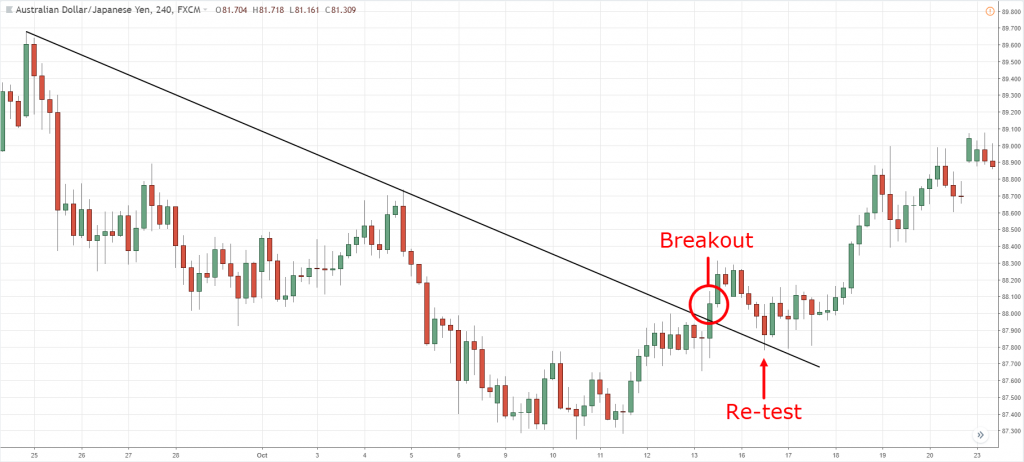
In the world of forex trading, understanding the fundamental principles of supply and demand is crucial. Supply and demand dynamics drive price movements in the foreign exchange market, and traders who can interpret these forces gain a significant advantage. In this blog post, we will explore the concept of supply and demand in forex trading, why it matters, and how you can use it to make more informed trading decisions.
Supply and Demand Basics
At its core, supply and demand is an economic concept that describes the relationship between the availability of a product or asset (supply) and the desire for that product or asset (demand). When supply exceeds demand, prices tend to fall, and when demand exceeds supply, prices tend to rise.
In the context of forex trading:
- Supply refers to the quantity of a specific currency that is available for trading in the market.
- Demand represents the desire of traders and investors to buy a particular currency.
How Supply and Demand Affect Forex Markets
The forex market operates based on the interaction between buyers (demand) and sellers (supply). Here’s how supply and demand dynamics influence currency prices:
- Price Levels: When demand for a currency exceeds its supply, its value tends to rise. Conversely, when supply outstrips demand, the currency’s value typically decreases.
- Support and Resistance: Key support and resistance levels on price charts are often formed due to significant supply and demand imbalances. These levels are critical for traders as they indicate where price reversals or breakouts are likely to occur.
- Trend Reversals: Understanding shifts in supply and demand can help traders identify potential trend reversals. For example, a weakening currency may see an increase in demand if there is positive economic news or geopolitical stability.
- News Events: Economic releases and geopolitical developments can significantly impact supply and demand for a currency. Traders often monitor such events to gauge market sentiment.
Using Supply and Demand in Your Trading
Here are some practical ways to incorporate supply and demand analysis into your forex trading strategy:
- Identifying Key Levels: Use historical price charts to identify key support and resistance levels. These levels are where supply and demand imbalances have previously occurred and can act as potential entry or exit points.
- Multiple Timeframes: Analyze supply and demand on various timeframes. What appears as a significant level on a daily chart may not be as relevant on an hourly chart. Combining multiple timeframes can provide a more comprehensive view.
- Fundamental Analysis: Combine supply and demand analysis with fundamental factors. Consider economic indicators, central bank policies, and geopolitical events that may impact supply and demand for a currency.
- Risk Management: Always incorporate risk management into your trading strategy. Use stop-loss orders to limit potential losses in case supply and demand dynamics do not play out as expected.
Conclusion
Supply and demand are fundamental forces that drive price movements in the forex market. By understanding these dynamics and incorporating supply and demand analysis into your trading strategy, you can make more informed decisions, identify potential trading opportunities, and manage your risk effectively. While supply and demand analysis is a valuable tool, remember that successful forex trading also requires discipline, patience, and continuous learning. As you gain experience, you’ll become more adept at interpreting these forces and improving your overall trading performance.


 SIMCEL ONLINE
Leave a Reply