
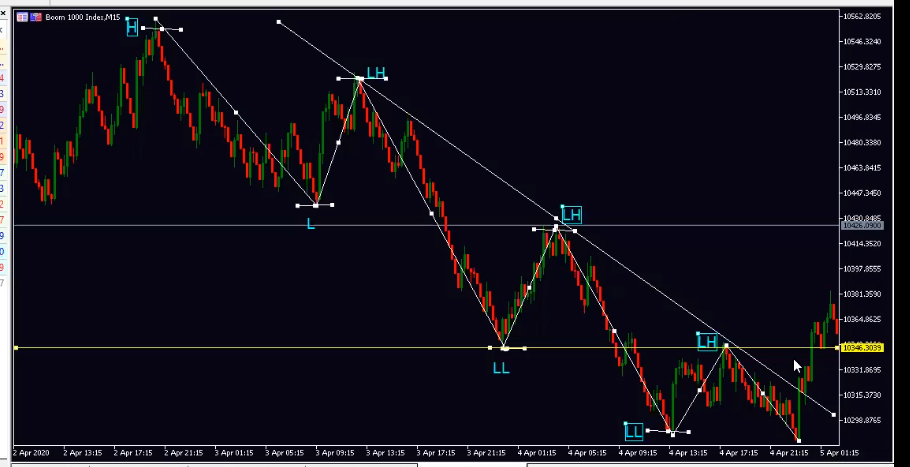
In the world of trading and investing, being able to anticipate changes in market direction is the Holy Grail. Successfully identifying when the market is about to change direction can lead to significant profits or help you protect your capital. While predicting market movements with absolute certainty is impossible, there are several key indicators and tools that traders and investors use to gauge when a market may be on the verge of a turnaround. In this blog post, we’ll explore some of these indicators and strategies to help you recognize when the market is about to change direction.
- Pay Attention to Technical Analysis
Technical analysis involves studying historical price charts, patterns, and indicators to make informed trading decisions. Here are some key technical indicators that can signal a potential market reversal:
- Candlestick Patterns: Certain candlestick patterns, such as doji, hammer, and shooting star, can indicate a potential reversal. For example, a doji pattern suggests market indecision and a possible reversal if it appears after a prolonged trend.
- Moving Averages: When shorter-term moving averages cross below longer-term moving averages (a death cross), it may signal a bearish trend reversal. Conversely, when shorter-term moving averages cross above longer-term moving averages (a golden cross), it may signal a bullish trend reversal.
- Relative Strength Index (RSI): RSI is an oscillator that measures the speed and change of price movements. An RSI reading above 70 indicates an overbought market, suggesting a potential reversal to the downside. An RSI reading below 30 indicates an oversold market, suggesting a potential reversal to the upside.
- Fundamental Analysis Can Provide Clues
Fundamental analysis involves examining economic and financial factors that can impact asset prices. While it’s not typically used to time market reversals precisely, fundamental analysis can provide valuable context and insight into potential shifts in market sentiment. Watch for economic data releases, corporate earnings reports, and geopolitical events that could influence market direction.
- Keep an Eye on Market Sentiment
Market sentiment can often precede a change in market direction. Pay attention to news headlines, social media chatter, and market sentiment indicators like the CBOE Volatility Index (VIX). A sudden surge in fear or greed among investors can signal a potential reversal.
- Utilize Trendlines and Support/Resistance Levels
Drawing trendlines and identifying support and resistance levels on price charts can help you spot potential trend reversals. When an established trendline is broken, it may indicate a shift in market sentiment. Similarly, if price approaches a strong support or resistance level and fails to break through, it can be a sign of an impending reversal.
- Diversify Your Information Sources
Access to a wide range of news and information sources can help you gather different perspectives on market conditions. Follow reputable financial news outlets, read market analyses from experts, and participate in trading communities and forums to gain insights from other traders and investors.
Conclusion
Recognizing when the market is about to change direction is a valuable skill that can significantly impact your trading and investing success. While no method can guarantee perfect predictions, combining technical and fundamental analysis, monitoring market sentiment, and staying informed about support and resistance levels can help you identify potential reversal points. Remember that risk management is crucial; never trade or invest more than you can afford to lose, and always have a well-defined exit strategy in place to protect your capital.


 SIMCEL ONLINE
Leave a Reply