
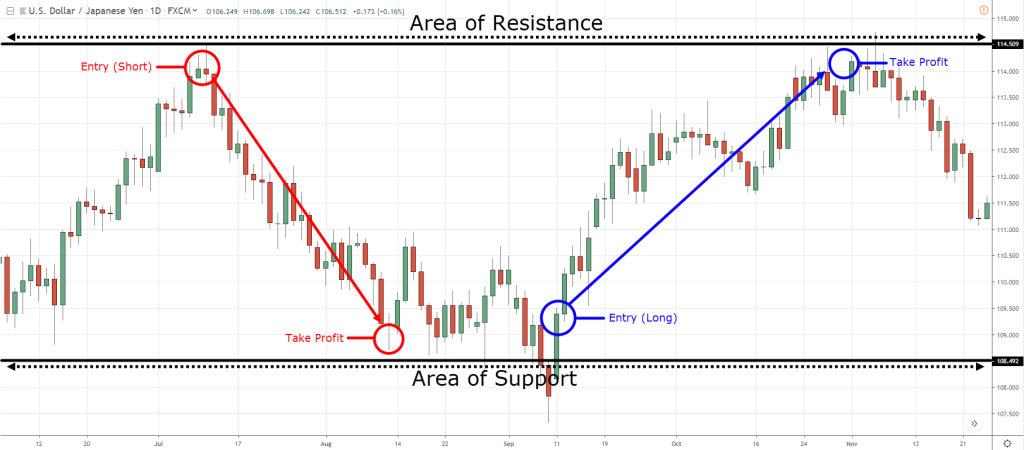
Successful trading in financial markets requires not only a keen understanding of market analysis but also effective risk management. Two essential tools for managing risk are Stop Loss and Take Profit orders. In this blog post, we will delve into what Stop Loss and Take Profit orders are, why they are crucial, and how to calculate them effectively.
Stop Loss (SL) – Protecting Against Losses
Stop Loss is an order placed with a broker to sell a security when it reaches a specific price, limiting the potential loss on a trade. It’s a critical tool that helps traders control their risk and prevent significant drawdowns in their trading accounts.
How to Calculate Stop Loss:
- Risk Tolerance: Determine how much of your trading capital you are willing to risk on a single trade. A common rule of thumb is not to risk more than 1-2% of your trading capital on a single trade.
- Entry Price: This is the price at which you entered the trade.
- Stop Loss Distance: Calculate the difference between your entry price and your desired Stop Loss level in pips (the smallest price movement in a currency pair).
Formula: Stop Loss Distance (in pips) = Entry Price – Stop Loss Price
- Position Size: Calculate your position size based on your risk tolerance and Stop Loss distance.
Formula: Position Size (in lots) = Risk Amount / (Stop Loss Distance x Pip Value)
- Risk Amount: The amount of money you’re willing to risk on the trade.
- Pip Value: The monetary value of one pip in the currency pair you’re trading. It varies depending on your lot size and the currency pair.
Take Profit (TP) – Locking in Profits
Take Profit is an order placed with a broker to sell a security when it reaches a specific price, locking in profits for the trader. It helps traders stick to their trading plan and avoid the temptation to exit a trade prematurely.
How to Calculate Take Profit:
- Risk-Reward Ratio: Decide on your desired risk-reward ratio for the trade. A common ratio is 1:2, meaning that for every dollar you risk (Stop Loss), you aim to make two dollars (Take Profit).
- Entry Price: This is the price at which you entered the trade.
- Take Profit Distance: Calculate the difference between your entry price and your desired Take Profit level in pips.
Formula: Take Profit Distance (in pips) = Entry Price + (Risk-Reward Ratio x Stop Loss Distance)
- Position Size: Ensure that your position size aligns with your risk-reward ratio.
Formula: Position Size (in lots) = Risk Amount / (Stop Loss Distance x Pip Value)
- Risk Amount: The amount of money you’re willing to risk on the trade.
- Pip Value: The monetary value of one pip in the currency pair you’re trading.
Conclusion
Stop Loss and Take Profit orders are indispensable tools for risk management in trading. By calculating them effectively and adhering to your trading plan, you can protect your capital from excessive losses and lock in profits when your trades go in your favor. Remember that trading carries inherent risks, and it’s crucial to use these orders wisely to safeguard your investments and trade responsibly.


 SIMCEL ONLINE
Leave a Reply