
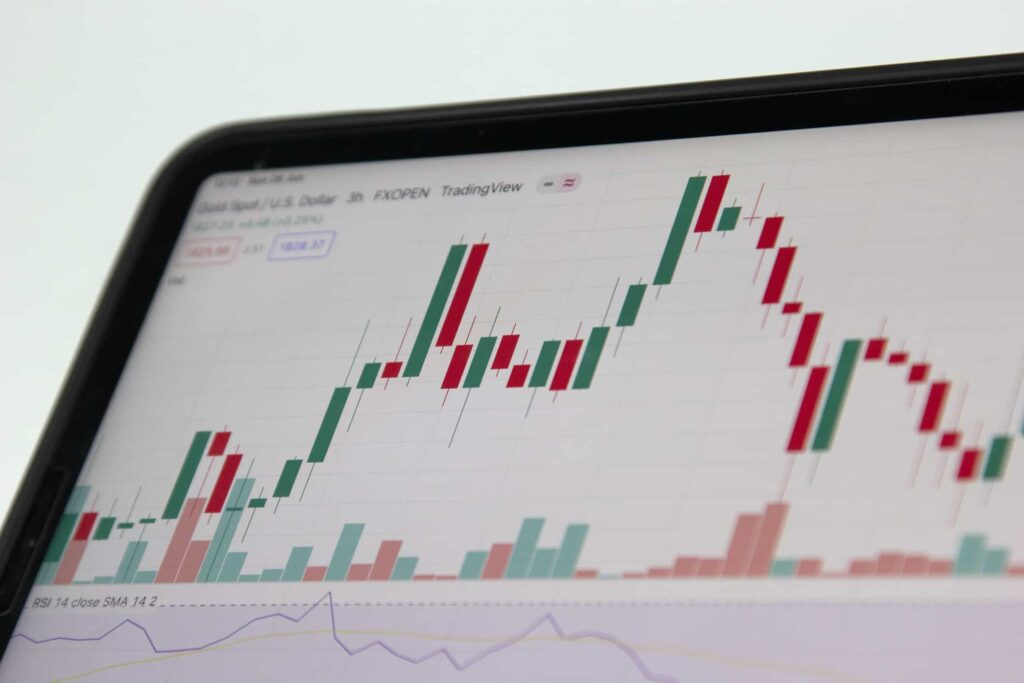
Trading is an exhilarating journey that offers the potential for financial independence and prosperity. However, it’s not a path to tread lightly. Successful trading requires knowledge, discipline, and a well-defined strategy. In this comprehensive guide, we will delve into the essential steps and principles that can help you embark on your trading journey and increase your chances of success.
Part 1: Understanding the Basics of Trading
1.1 Define Your Trading Goals
Before you start trading, it’s crucial to set clear, realistic goals. Ask yourself why you want to trade, whether it’s for supplemental income, long-term wealth creation, or something else entirely. Having well-defined objectives will guide your decisions and keep you focused during challenging times.
1.2 Learn the Basics of Financial Markets
To become a successful trader, you must understand the financial markets you intend to trade in. Familiarize yourself with concepts like stocks, bonds, forex, commodities, and cryptocurrencies. Each market has its unique characteristics, risks, and opportunities.
1.3 Study Market Participants
Market participants play a significant role in price movements. It’s essential to know who these participants are, from individual retail traders to institutional investors and market makers. Understanding their motivations and actions can help you anticipate market trends.
1.4 Risk Management
Successful trading is not just about making profits; it’s also about preserving your capital. Develop a risk management strategy that defines how much of your capital you’re willing to risk on each trade and where you’ll place stop-loss orders to limit potential losses.
Part 2: Acquiring Trading Knowledge
2.1 Choose Your Trading Style
There are various trading styles, including day trading, swing trading, position trading, and long-term investing. Your choice should align with your personality, risk tolerance, and time commitment. Each style has its advantages and drawbacks.
2.2 Trading Education
Invest in your trading education. Read books, take online courses, and follow reputable financial news sources. It would help if you understood technical analysis, fundamental analysis, and sentiment analysis to make informed trading decisions.
2.3 Paper Trading
Before risking real capital, practice trading in a simulated environment known as paper trading. This allows you to test your strategies, refine your skills, and gain confidence without the risk of losing money.
2.4 Develop a Trading Plan
A trading plan is your roadmap to success. It should include your trading goals, risk management rules, entry and exit strategies, and criteria for evaluating trading opportunities. Stick to your plan, and avoid making impulsive decisions.
Part 3: Setting Up Your Trading Account
3.1 Choose a Reputable Broker
Selecting the right broker is a critical decision. Look for a broker with a good reputation, competitive fees, a user-friendly trading platform, and excellent customer support. Ensure they offer access to the markets you intend to trade in.
3.2 Account Funding
Deposit the necessary capital into your trading account. Be sure to start with an amount you can afford to lose. Trading with money you can’t afford to lose can lead to emotional decisions and significant losses.
3.3 Trading Platform
Familiarize yourself with the trading platform provided by your broker. Practice executing trades, setting stop-loss orders, and monitoring your portfolio. A deep understanding of the platform will improve your efficiency as a trader.
3.4 Trading Tools and Resources
Many trading platforms offer various tools and resources, such as technical indicators, charts, and news feeds. Utilize these resources to enhance your trading decisions and stay informed about market developments.
Part 4: Building Your Trading Strategy
4.1 Choose Your Trading Instruments
Select the financial instruments you want to trade. This could be stocks, currencies, commodities, or a combination of them. Focus on a few instruments initially to develop expertise.
4.2 Technical Analysis
Technical analysis involves studying price charts, patterns, and indicators to identify potential entry and exit points. Learn how to analyze charts and use technical indicators to make informed trading decisions.
4.3 Fundamental Analysis
Fundamental analysis involves evaluating the underlying factors that can influence an asset’s value, such as economic indicators, company financials, and geopolitical events. Understanding these factors can help you make long-term investment decisions.
4.4 Sentiment Analysis
Sentiment analysis assesses market sentiment and investor psychology. It can help you gauge the market’s mood and anticipate potential shifts in direction.
Part 5: Trading Strategies and Tactics
5.1 Trading Styles
Different trading styles require different strategies. For example:
- Day traders aim to profit from short-term price fluctuations and typically make multiple trades in a single day.
- Swing traders look for medium-term trends and may hold positions for several days or weeks.
- Position traders take a long-term view and may hold positions for months or even years.
Choose a style that aligns with your goals and personality.
5.2 Technical Trading Strategies
Consider using technical strategies like:
- Moving Averages: Identify trends by analyzing moving average crossovers.
- Support and Resistance: Look for key price levels where assets may reverse.
- Candlestick Patterns: Recognize patterns that signal potential price reversals or continuations.
5.3 Fundamental Trading Strategies
If you prefer a fundamental approach, you can:
- Focus on value investing by analyzing a company’s financial health and potential for growth.
- Trade is based on economic indicators, like interest rates and unemployment figures.
- Use news and event-driven strategies to capitalize on market-moving events.
5.4 Risk Management
Effective risk management is crucial for longevity in trading. Set strict stop-loss orders, diversify your portfolio, and avoid risking more than a small percentage of your capital on a single trade.
5.5 Emotions and Discipline
Trading can be emotionally challenging. Emotions like fear and greed can cloud your judgment and lead to impulsive decisions. Maintain discipline by following your trading plan and managing your emotions.
Part 6: Start Trading and Monitoring
6.1 Execute Your Trades
Put your trading plan into action by entering and exiting trades according to your strategy. Stick to your risk management rules and avoid deviating from your plan.
6.2 Record Keeping
Maintain detailed records of your trades, including entry and exit points, profit and loss, and the reasoning behind each trade. Analyzing your trading history can help you identify strengths and weaknesses in your strategy.
6.3 Continuous Learning
The financial markets are dynamic, and trading strategies may need to evolve. Stay up-to-date with market developments, adjust your strategies as necessary, and never stop learning.
Part 7: Common Pitfalls to Avoid
7.1 Overtrading
Avoid the temptation to trade excessively. Overtrading can lead to increased transaction costs and a higher risk of losses.
7.2 Lack of Discipline
Discipline is crucial in trading. Emotional decisions, impulsive actions, and straying from your trading plan can lead to financial setbacks.
7.3 Ignoring Risk Management
Neglecting risk management is one of the most common mistakes traders make. Always protect your capital and set stop-loss orders.
7.4 Chasing Losses
Revenge trading, or trying to recoup losses by increasing your trade size, can lead to a downward spiral. Stick to your trading plan and avoid chasing losses.
7.5 Not Adapting to Market Conditions
Market conditions can change rapidly. Be flexible and willing to adapt your strategies as needed to stay ahead of the curve.
Conclusion
Trading is a challenging but rewarding endeavor that requires dedication and continuous learning. By following the steps and principles outlined in this comprehensive guide, you can increase your chances of becoming a successful trader. Remember that success in trading comes from a combination of knowledge, discipline, and a well-executed trading plan. Stay focused, manage your risks, and strive to improve your skills. With time and experience, you can achieve your trading goals and build a prosperous financial future.


 SIMCEL ONLINE
Leave a Reply