
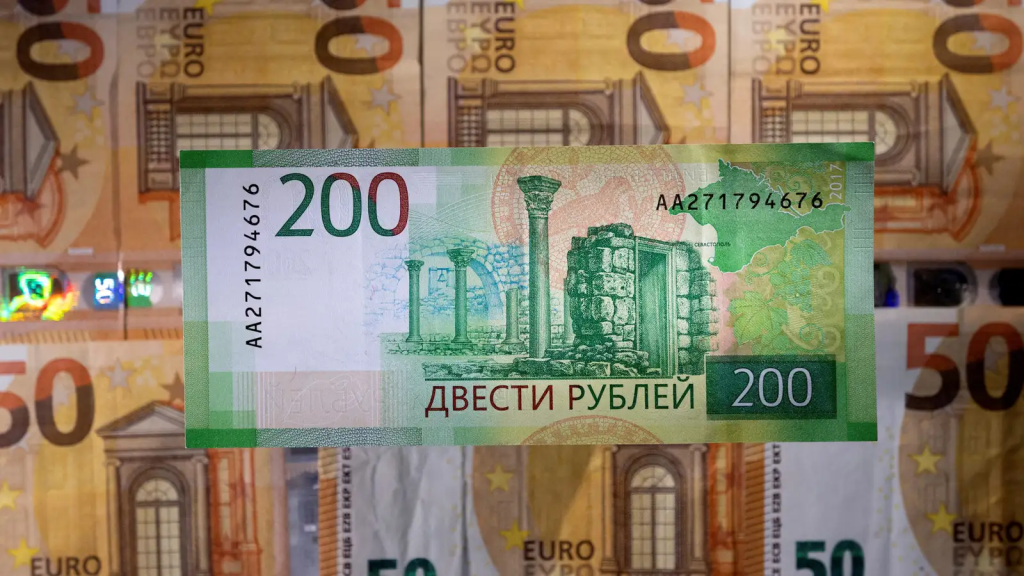
The term “Russian oligarch” has become synonymous with immense wealth, opulence, and often controversy. These individuals have amassed astonishing fortunes in the post-Soviet era, but the origins and methods of their wealth have often been shrouded in mystery and controversy. In this blog post, we will take a closer look at the astonishing wealth of Russian oligarchs, how they acquired it, and the influence they wield on both Russian and global scales.
Defining Russian Oligarchs
Russian oligarchs are a group of extremely wealthy individuals who emerged during the turbulent years following the collapse of the Soviet Union in the early 1990s. They acquired immense wealth by exploiting the privatization of state-owned assets, natural resources, and industries. While there is no strict definition of an oligarch, these individuals often share common characteristics:
- Vast Wealth: Oligarchs are typically billionaires with fortunes exceeding a billion dollars, often ranking among the richest people globally.
- Control Over Key Sectors: They exert significant influence over Russia’s key industries, such as energy, media, finance, and natural resources.
- Political Clout: Many oligarchs have close ties to the Russian government, and some have held high-ranking political positions or wield substantial political influence.
- Controversy: The acquisition of their wealth has often been marred by controversy, including allegations of corruption, asset-stripping, and crony capitalism.
The Origins of Oligarchic Wealth
The sudden wealth of Russian oligarchs can be traced back to the privatization process that took place in the 1990s. During this period, state-owned assets and enterprises were sold off to private individuals at a fraction of their actual value. This led to the rapid transfer of enormous wealth from the state to a select group of well-connected individuals.
Some of the key factors contributing to the rise of oligarchic wealth include:
- Privatization Scandals: Privatization auctions were often rigged, allowing a few well-connected individuals to acquire state-owned assets at minimal cost. This process was rife with corruption.
- Natural Resources: Oligarchs gained control over Russia’s vast reserves of natural resources, particularly oil and gas. This control provided them with enormous wealth and influence.
- Financial Sector: Some oligarchs ventured into the financial sector, amassing substantial fortunes through banking, investment, and financial manipulation.
- Media Ownership: Oligarchs acquired media outlets, enabling them to shape public opinion and consolidate their power.
- Political Connections: Close ties to the Russian government, including former President Boris Yeltsin’s administration, played a crucial role in their wealth accumulation.
Prominent Russian Oligarchs and Their Fortunes
Let’s take a closer look at a few prominent Russian oligarchs and their mind-boggling wealth:
1. Roman Abramovich: Perhaps one of the most famous Russian oligarchs, Abramovich is known for his ownership of Chelsea Football Club and vast investments in various industries. His net worth is estimated to be in the tens of billions of dollars.
2. Alisher Usmanov: With substantial holdings in mining, technology, and media, Usmanov is among the wealthiest individuals globally. His net worth is estimated to be over $16 billion.
3. Vladimir Potanin: The head of mining and metallurgy giant Norilsk Nickel, Potanin has amassed significant wealth, with an estimated net worth of over $22 billion.
4. Mikhail Prokhorov: Prokhorov is known for his investments in metals, finance, and sports. His net worth is estimated to be around $12 billion.
5. Oleg Deripaska: The founder of Basic Element, one of Russia’s largest industrial groups, Deripaska’s net worth is estimated to be over $5 billion.
The Impact of Oligarchs on Russia and Beyond
The influence of Russian oligarchs extends beyond their vast fortunes. They have played significant roles in shaping Russia’s political landscape, economy, and global affairs:
1. Political Influence: Many oligarchs have held prominent political positions or used their wealth to influence government policies. This influence has sometimes resulted in policies that benefit their business interests.
2. Media Ownership: Control over media outlets has allowed oligarchs to shape public opinion and control the narrative in Russia. This influence extends to international media with global reach.
3. Economic Power: Oligarchs have substantial economic power, with control over key sectors such as energy, mining, and finance. This control can impact economic policies and market dynamics.
4. Global Reach: Oligarchs have invested in businesses and assets worldwide, making them influential players in the global economy. Their investments range from real estate to sports clubs.
5. Philanthropy: Some oligarchs engage in philanthropic activities, contributing to charitable causes both in Russia and abroad. While these efforts can bring positive change, they are sometimes viewed as attempts to improve their public image.
Controversies and Challenges
The immense wealth and influence of Russian oligarchs have not been without controversy and challenges:
- Legal Scrutiny: Oligarchs have faced legal challenges and investigations, both in Russia and internationally, related to allegations of corruption, money laundering, and other financial crimes.
- Political Tensions: Oligarchs’ influence has sometimes led to tensions with the Russian government, resulting in political disputes and even exile for some individuals.
- Sanctions: Oligarchs have been targeted by international sanctions, restricting their ability to conduct business abroad and access the global financial system.
- Social Inequality: The extreme wealth of oligarchs has contributed to significant income inequality in Russia, which can lead to social tensions and economic imbalances.
Conclusion
The wealth and influence of Russian oligarchs are nothing short of astonishing, and their stories continue to captivate the world. While some have achieved their fortunes through legitimate means, many others have been embroiled in controversies and legal battles.
The rise of oligarchic wealth in Russia also highlights the broader issues of corruption, privatization, and income inequality that have characterized the post-Soviet era. The influence of these individuals extends beyond Russia’s borders, impacting global politics, economics, and media.
The untold truth about the wealth of Russian oligarchs serves as a reminder of the complex interplay between politics, business, and power. It underscores the importance of transparency, accountability, and the rule of law in addressing the challenges posed by extreme wealth and influence.


 SIMCEL ONLINE
Leave a Reply