
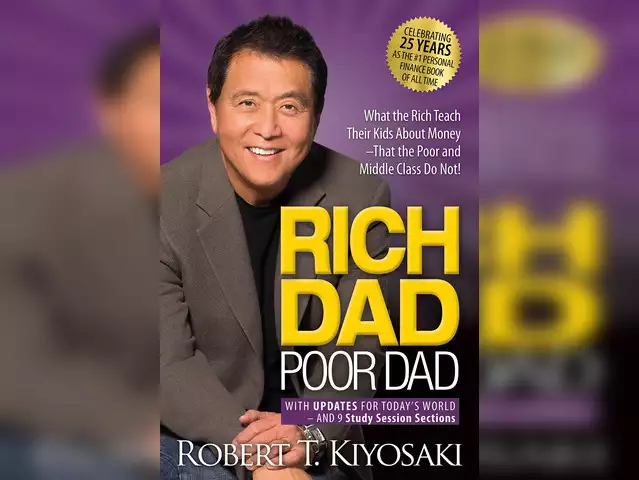
Robert Kiyosaki’s book “Rich Dad, Poor Dad” has been a financial classic for decades, offering valuable insights on how to achieve financial success and independence. One of the book’s most controversial and thought-provoking concepts is the idea of using debt as a tool to build wealth. In this blog post, we will explore Robert Kiyosaki’s perspective on using debt effectively and responsibly to achieve financial prosperity.
Understanding the Rich Dad, Poor Dad Philosophy
“Rich Dad, Poor Dad” is a personal finance classic that contrasts the financial philosophies of two father figures in Robert Kiyosaki’s life: his biological father (Poor Dad) and the father of his childhood best friend (Rich Dad). The book highlights the fundamental differences in their approaches to money, investing, and wealth-building.
Rich Dad’s philosophy emphasizes financial education, entrepreneurship, and the use of leverage (specifically debt) as a means to acquire assets that generate passive income. Poor Dad, on the other hand, follows the conventional path of working for a paycheck, saving money, and avoiding debt at all costs.
Debt as a Tool for Wealth Creation
Robert Kiyosaki’s Rich Dad advocates using debt as a strategic tool to acquire income-producing assets, such as real estate, businesses, or stocks. This approach stands in stark contrast to the common belief that all debt is inherently bad.
Here are the key principles that Kiyosaki outlines regarding the use of debt as a tool for wealth creation:
1. Good Debt vs. Bad Debt
Kiyosaki distinguishes between “good debt” and “bad debt.” Good debt is debt that is used to acquire assets that put money in your pocket, such as rental properties, businesses, or stocks. Bad debt, on the other hand, is debt used to acquire liabilities that take money out of your pocket, such as credit card debt for consumer spending.
2. Leverage to Build Wealth
Leverage is the concept of using borrowed money to amplify investment returns. Kiyosaki emphasizes that by leveraging other people’s money (OPM) through loans or mortgages, you can invest in income-producing assets with less of your own capital. This allows you to control larger assets and potentially generate more significant returns.
3. Cash Flow Is Key
The ultimate goal of using debt is to create positive cash flow. Cash flow is the money that flows into your pocket from your investments after deducting expenses. Kiyosaki stresses that positive cash flow is essential for financial freedom because it provides the income needed to cover your expenses without having to work for a paycheck.
4. Mindset Shift
Using debt effectively requires a mindset shift. It means moving away from the fear of debt and focusing on its potential to accelerate wealth-building. Kiyosaki encourages individuals to overcome their financial fears and develop financial intelligence to make informed debt-related decisions.
Examples of Using Debt Wisely
Robert Kiyosaki provides several examples in “Rich Dad, Poor Dad” to illustrate how individuals can use debt wisely to build wealth:
1. Real Estate Investment: One common example is leveraging a mortgage to purchase rental properties. The rental income from these properties can not only cover the mortgage payments but also provide positive cash flow, creating a source of passive income.
2. Entrepreneurship: Starting or acquiring a business often requires taking on debt. However, if the business generates a profit that exceeds the cost of borrowing, it can lead to significant wealth creation.
3. Stock Market: Some investors use margin accounts to buy stocks. While this involves borrowing money to invest, it can amplify potential returns if the value of the stocks increases, but it also comes with higher risk.
4. Education: Investing in education or skill development through student loans or personal loans can lead to higher earning potential and career advancement, ultimately contributing to increased wealth.
Caution and Responsible Use of Debt
While Robert Kiyosaki’s perspective on using debt as a tool for wealth creation is compelling, it’s essential to exercise caution and use debt responsibly. Here are some critical considerations:
1. Financial Education: Before using debt, it’s crucial to have a strong understanding of personal finance, investment strategies, and risk management. Financial education is the foundation for making informed decisions about debt.
2. Risk Assessment: All investments carry some level of risk. When using debt to invest, carefully assess the potential risks and ensure that you have a risk management strategy in place.
3. Debt Capacity: Consider your debt capacity—the amount of debt you can comfortably manage based on your financial situation. Avoid taking on excessive debt that could lead to financial hardship.
4. Diversification: Diversify your investments to spread risk. Don’t put all your borrowed funds into a single investment, as this can expose you to significant losses if that investment underperforms.
5. Emergency Fund: Maintain an emergency fund to cover unexpected expenses and debt obligations in case of financial setbacks.
Conclusion
Robert Kiyosaki’s “Rich Dad, Poor Dad” challenges conventional financial wisdom by advocating the strategic use of debt as a tool for wealth creation. While this approach has been successful for many, it’s important to approach debt with caution, a solid financial education, and a clear understanding of the risks involved. Debt can be a powerful accelerator of wealth when used wisely, but it can also lead to financial stress if not managed responsibly. Ultimately, the decision to use debt should align with your financial goals, risk tolerance, and overall financial strategy.


 SIMCEL ONLINE
Leave a Reply