
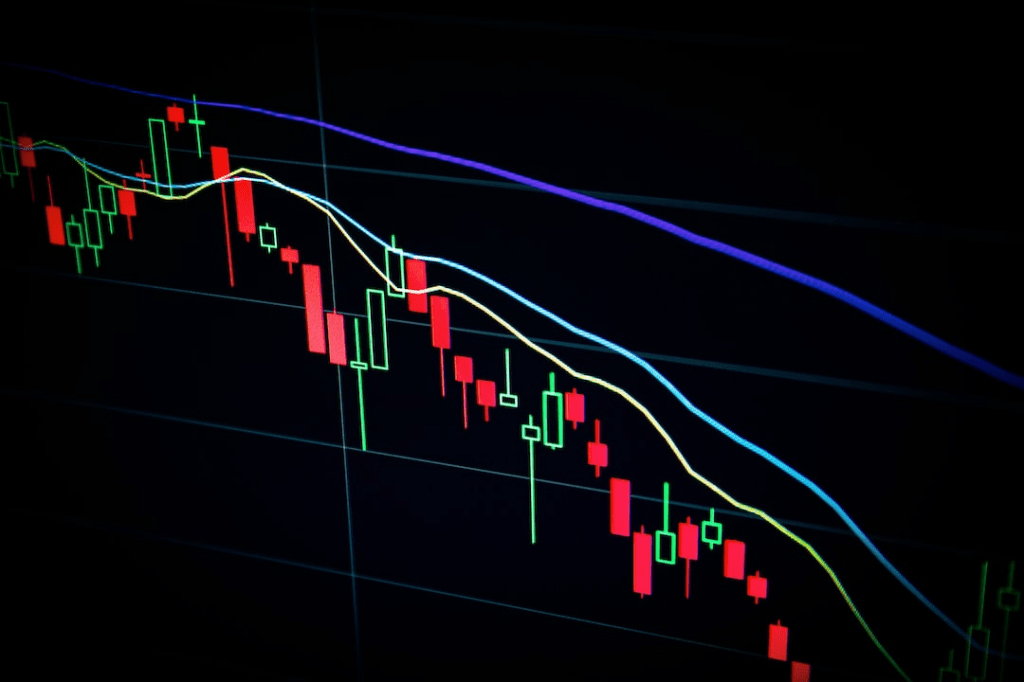
Forex trading is a dynamic and fast-paced market where traders seek opportunities to profit from currency exchange rate fluctuations. While the forex market is influenced by numerous factors, seasonal trading strategies have gained popularity among traders looking for predictable patterns. In this blog post, we will delve into the concept of seasonal trading strategies in forex, explore the reasons behind seasonal patterns, and discuss effective strategies to capitalize on these recurring opportunities.
Understanding Seasonal Trading Strategies in Forex
1.1 What Are Seasonal Trading Strategies?
Seasonal trading strategies in forex involve identifying and capitalizing on recurring patterns and trends that occur during specific times of the year, months, or even weeks. These patterns are influenced by a combination of factors, including economic events, holidays, and market sentiment.
1.2 Common Seasonal Patterns in Forex
Several common seasonal patterns and trends are observed in forex trading:
a. Year-End Effect: Towards the end of the year, especially in December, the forex market often experiences reduced liquidity and increased volatility as traders and investors take holidays. This can lead to unusual price movements and reversal opportunities.
b. January Effect: The start of the year, particularly January, can witness shifts in market sentiment as traders reevaluate their portfolios and implement new trading strategies. This period may be marked by significant currency movements.
c. Summer Lull: During the summer months, particularly July and August, trading volumes typically decrease as traders go on vacation. This can result in quieter markets with narrower ranges.
d. Central Bank Announcements: Many central banks announce interest rate decisions on a preset schedule. Traders anticipate these announcements, leading to price fluctuations in the respective currencies.
Factors Behind Seasonal Patterns in Forex
2.1 Psychological Factors
Psychological factors play a crucial role in seasonal patterns. Traders and investors often exhibit common behaviors influenced by cultural and emotional factors during specific months and holidays. For instance, year-end bonuses or tax considerations may prompt portfolio adjustments and currency trading decisions.
2.2 Economic Factors
Economic factors, such as agricultural cycles and tourism seasons, can impact a country’s currency value. For example, an increase in tourism during the summer months can lead to a rise in demand for the local currency.
2.3 Institutional Factors
Institutional factors, such as central bank meetings and corporate financial reporting schedules, are often set at specific times. Traders closely monitor these events, leading to increased trading activity and currency price movements.
Effective Strategies for Seasonal Trading in Forex
3.1 Conduct Comprehensive Research
To effectively trade based on seasonal patterns, traders should begin by conducting thorough research:
a. Historical Data Analysis: Analyze historical currency price data to identify recurring seasonal patterns during specific times of the year or holidays.
b. Currency Pairs: Different currency pairs may exhibit varying seasonal patterns. Study the behavior of specific pairs that interest you.
c. Correlations: Investigate correlations between currencies and other financial assets, such as commodities or stock indices, during these seasonal periods.
3.2 Technical Analysis
Technical analysis plays a crucial role in identifying entry and exit points during seasonal trading:
a. Moving Averages: Utilize moving averages to identify trends and potential reversal points. Exponential moving averages can be especially useful for identifying short-term trends during holidays.
b. Support and Resistance Levels: Identify key support and resistance levels within the seasonal trend. These levels can serve as potential entry or exit points for trades.
3.3 Fundamental Analysis
Combine technical analysis with fundamental analysis to make informed trading decisions:
a. Economic Calendar: Stay updated on economic events, central bank meetings, and relevant economic data releases that may impact seasonal trends.
b. Interest Rate Decisions: Be prepared for potential market-moving announcements related to central bank interest rate decisions.
3.4 Risk Management
Effective risk management is paramount when trading based on seasonal patterns:
a. Set Stop-Loss Orders: Determine predetermined stop-loss levels to limit potential losses during volatile periods.
b. Position Sizing: Adjust your position size based on the volatility of the currency pair and the duration of the trade.
3.5 Stay Informed
Stay informed about news and events that may affect currency markets during holidays and specific months. Unforeseen developments can quickly change market dynamics.
Conclusion
Seasonal trading strategies in forex offer traders an opportunity to profit from predictable patterns and trends that occur during specific times of the year, months, or holidays. By conducting comprehensive research, utilizing technical and fundamental analysis, implementing risk management strategies, and staying informed, traders can increase their chances of profiting from these seasonal opportunities.
However, it’s important to approach seasonal trading with caution, as no strategy is foolproof, and risks are inherent in the forex market. Seasonal patterns can vary from year to year, and market conditions may change. Traders should continuously monitor market developments and adapt their strategies accordingly.
With careful planning, discipline, and a deep understanding of the factors behind seasonal patterns, traders can leverage these recurring opportunities to enhance their trading results in the dynamic world of forex markets.


 SIMCEL ONLINE
Leave a Reply