
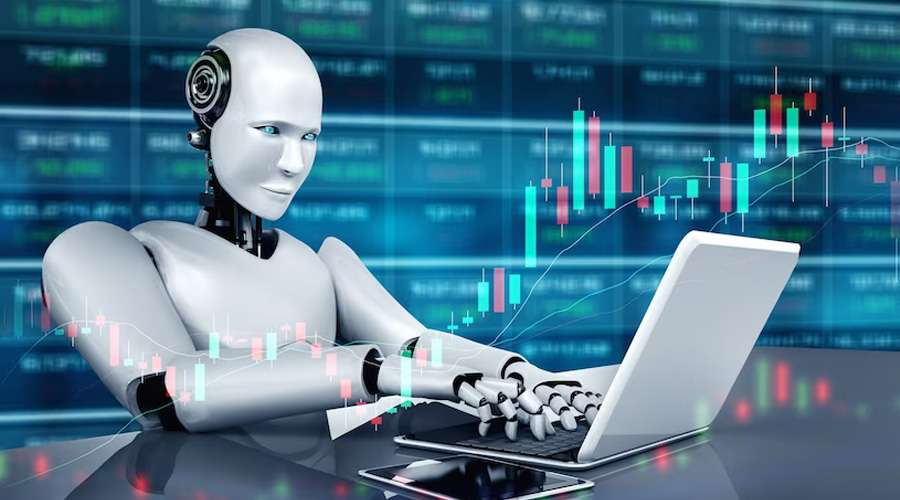
The world of forex trading has witnessed a significant transformation in recent years, thanks to the integration of Artificial Intelligence (AI) and machine learning technologies. These AI-powered tools and platforms have revolutionized the way retail traders approach the forex market. In this blog post, we will explore the fascinating realm of AI in forex trading. We’ll delve into the AI-powered trading tools and platforms available to retail traders, the role of machine learning in pattern recognition and forecasting, and how AI-driven risk management strategies are reshaping the landscape.
- AI-Powered Trading Tools and Platforms for Retail Traders
AI-powered trading tools and platforms have democratized access to sophisticated trading strategies and data analysis methods once reserved for institutional traders. Here are some notable AI-driven tools and platforms available to retail traders:
1.1. Algorithmic Trading
Algorithmic trading, often referred to as “algo trading,” involves using AI algorithms to execute trades automatically based on predefined criteria. These algorithms can analyze market data, identify trading opportunities, and execute orders with incredible speed and precision. Retail traders can access algo trading through third-party platforms or develop their own custom algorithms.
1.2. Social Sentiment Analysis
AI tools can analyze social media and news sentiment to gauge market sentiment. By tracking public sentiment toward currencies or currency pairs, traders can gain insights into potential market moves. Platforms like StockTwits and Twitter provide sentiment data that can be incorporated into trading strategies.
1.3. Automated Trading Bots
Automated trading bots, powered by AI, execute trades on behalf of traders according to predefined rules. These bots can scan the market 24/7, ensuring traders don’t miss trading opportunities while also removing the emotional element from decision-making.
1.4. Pattern Recognition
AI-driven pattern recognition tools can identify technical patterns, such as chart patterns and candlestick formations, with a high degree of accuracy. These tools assist traders in making informed entry and exit decisions based on historical price patterns.
1.5. Trade Signal Providers
AI-powered trade signal providers analyze market data and generate trading signals that indicate potential entry and exit points. Retail traders can subscribe to these services to receive real-time signals and incorporate them into their trading strategies.
- The Role of Machine Learning in Pattern Recognition and Forecasting
Machine learning, a subset of AI, plays a pivotal role in forex trading, particularly in pattern recognition and forecasting. Here’s how it works:
2.1. Pattern Recognition
Machine learning algorithms excel at identifying complex patterns and relationships in historical data. In forex trading, these algorithms analyze price charts, candlestick patterns, and technical indicators to recognize recurring patterns that signal potential trading opportunities.
- Support and Resistance Levels: Machine learning can identify key support and resistance levels that are critical for making trading decisions.
- Trend Analysis: Algorithms can detect trend patterns, helping traders determine whether to go long (buy) or short (sell).
- Volatility Analysis: Machine learning models can measure market volatility and assess its impact on currency pairs.
2.2. Forecasting
Machine learning models can forecast future price movements based on historical data and a range of indicators. These forecasts are invaluable for traders looking to make informed decisions:
- Predictive Analytics: Machine learning models can predict potential price direction and magnitude, aiding traders in setting profit targets and stop-loss orders.
- Sentiment Analysis: Advanced sentiment analysis models analyze social media, news, and other data sources to gauge market sentiment and predict possible shifts.
- AI-Driven Risk Management Strategies
Effective risk management is a cornerstone of successful trading, and AI has transformed the way traders approach it. AI-driven risk management strategies offer improved precision and adaptability:
3.1. Position Sizing
AI algorithms can determine the appropriate position size for each trade based on factors such as risk tolerance, account size, and market conditions. This dynamic position sizing helps optimize risk-reward ratios and protect capital.
3.2. Stop-Loss Optimization
AI models can recommend optimal stop-loss levels by considering historical price volatility and recent market movements. This dynamic approach to stop-loss placement helps traders protect gains and minimize losses.
3.3. Portfolio Diversification
AI-driven portfolio optimization tools assess the correlation between different currency pairs and assets, helping traders diversify their portfolios effectively. Diversification reduces risk exposure and enhances overall risk-adjusted returns.
3.4. Real-Time Risk Assessment
AI algorithms can continuously monitor open positions and adjust risk management parameters in real time. If market conditions change, these algorithms can adapt stop-loss levels and position sizes accordingly, ensuring that risk is constantly managed.
Conclusion
The integration of AI and machine learning technologies into forex trading has ushered in a new era of innovation and accessibility for retail traders. AI-powered trading tools and platforms provide invaluable assistance in pattern recognition, forecasting, and risk management.
As the forex market continues to evolve, traders who leverage AI-driven tools and strategies are better equipped to make informed decisions and navigate the complexities of the forex landscape. Whether you’re a novice or an experienced trader, embracing AI in forex trading can open up new possibilities and improve your chances of success in this dynamic and ever-changing market.


 SIMCEL ONLINE
Leave a Reply