
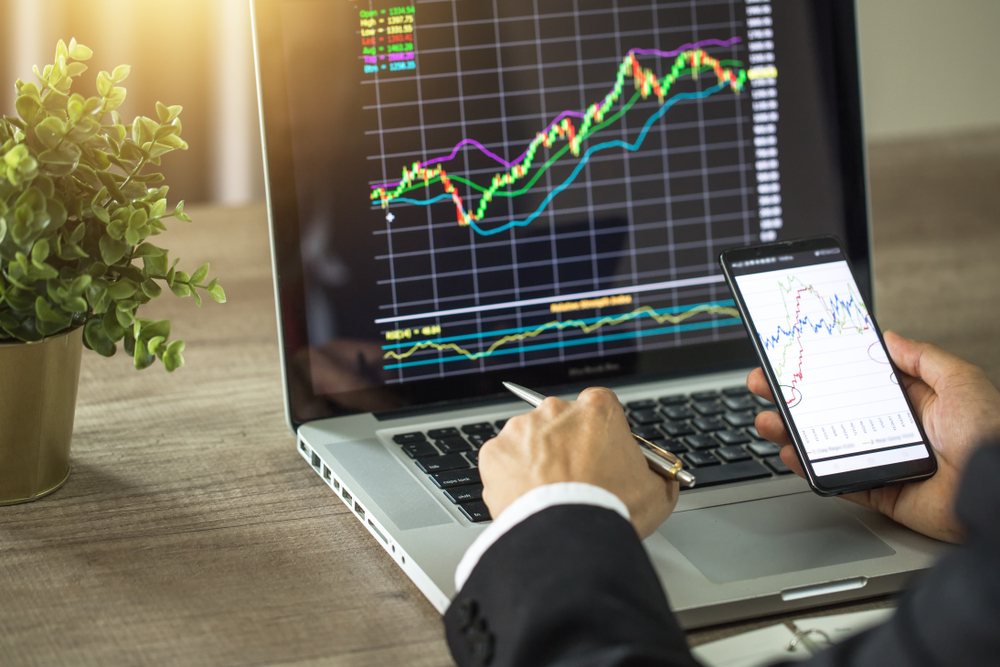
Forex trading, the largest financial market globally, has been traditionally associated with profit-seeking and risk-taking. However, a paradigm shift is occurring in the financial industry as traders and investors increasingly consider the environmental, social, and governance (ESG) factors in their decision-making processes. In this blog post, we will explore the intersection of forex trading and sustainable finance. We will discuss how to incorporate ESG factors into forex trading, sustainable investing approaches within the forex market, and the role of responsible trading in fostering a sustainable financial ecosystem.
Section 1: Incorporating ESG Factors into Forex Trading
1.1 Understanding ESG
ESG refers to three central factors that are used to evaluate the sustainability and ethical impact of an investment or trading decision:
- Environmental (E): This focuses on the environmental impact of a company’s operations, such as its carbon footprint, resource conservation, and commitment to renewable energy.
- Social (S): The social aspect assesses how a company treats its employees, its involvement in the communities in which it operates, and its commitment to human rights and diversity.
- Governance (G): Governance evaluates the structure of a company’s leadership, its transparency, accountability, and adherence to ethical principles.
1.2 Incorporating ESG into Forex Trading
a. Currency Selection: Choose currencies from countries or regions that demonstrate strong ESG practices. Countries with robust environmental policies, social safety nets, and transparent governance may be preferred.
b. Risk Assessment: Evaluate the potential risks associated with ESG factors. Environmental risks, such as climate change-related impacts, can affect currency values. Social and governance risks can also impact stability.
c. Economic Indicators: Consider ESG-related economic indicators, such as green energy investments or social welfare expenditures, when analyzing a country’s economic health.
Section 2: Sustainable Investing Approaches within the Forex Market
2.1 ESG-Focused Funds
Investors and traders can access ESG-focused forex funds, which allocate capital to currencies from countries with strong ESG profiles. These funds are designed to align with sustainability objectives.
2.2 Impact Investing
Impact investing in the forex market involves supporting currencies and countries that are actively pursuing sustainability goals. This might include investing in countries that are leading in renewable energy or prioritizing social welfare.
2.3 Green Forex Trading
Some forex brokers offer “green” trading accounts that commit a portion of trading profits to environmental or social causes. Traders can contribute to sustainability efforts through their trading activities.
Section 3: The Role of Responsible Trading in a Sustainable Financial Ecosystem
3.1 Risk Mitigation
Responsible trading, which considers ESG factors, can help mitigate risk. By avoiding currencies from countries with poor ESG practices, traders reduce exposure to potential economic and political instability.
3.2 Ethical Considerations
Trading responsibly aligns with ethical considerations. Traders who prioritize ESG factors contribute to a more sustainable and ethical financial ecosystem.
3.3 Long-Term Value
Responsible trading may promote long-term value. By investing in currencies from countries with strong ESG profiles, traders position themselves for potential stability and growth over time.
3.4 Transparency and Accountability
Responsible trading encourages transparency and accountability within the forex market. Traders and brokers who prioritize ESG factors can foster a culture of responsibility and ethical conduct.
Conclusion
Forex trading and sustainable finance are no longer mutually exclusive. Traders and investors can play a pivotal role in promoting environmental, social, and governance responsibility by incorporating ESG factors into their trading decisions. By selecting currencies based on ESG criteria, pursuing sustainable investing approaches, and embracing responsible trading practices, participants in the forex market contribute to a more sustainable financial ecosystem. In a world increasingly focused on environmental and social issues, responsible trading is not just an ethical choice but also a strategic one, positioning traders for long-term success in a changing financial landscape.


 SIMCEL ONLINE
Leave a Reply