
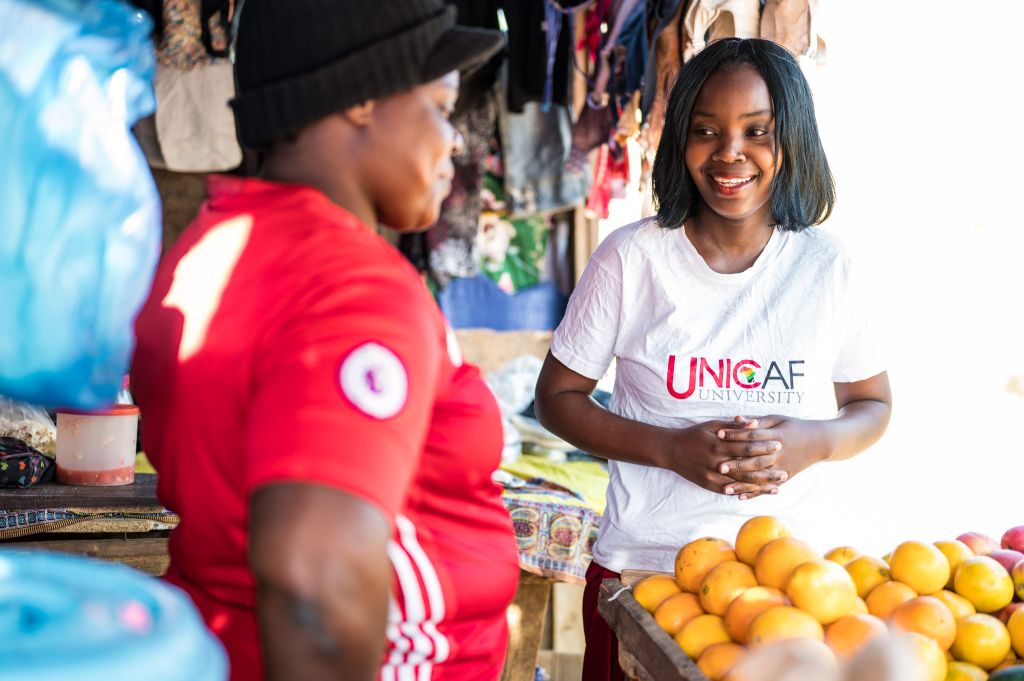
Access to quality education is a fundamental right, yet millions of people around the world remain underserved, lacking the resources and opportunities to pursue higher education. Unicaf, a global educational organization, is on a mission to bridge these educational gaps and make quality education accessible to underserved communities. In this blog post, we will explore Unicaf’s commitment to educational outreach, the impact it has had on underserved communities, and the transformative power of education in these regions.
The Global Challenge of Educational Inequality
Educational inequality remains a pressing global challenge for several reasons:
- Economic Disparities: Many underserved communities face economic challenges that make accessing quality education difficult. High tuition fees, lack of scholarships, and limited financial resources create barriers to entry.
- Geographical Barriers: Remote and rural communities often lack access to educational institutions, limiting opportunities for residents to pursue higher education.
- Social and Cultural Factors: Discrimination, gender biases, and cultural norms can hinder educational opportunities for marginalized groups, particularly girls and women.
- Limited Infrastructure: Inadequate infrastructure, such as schools, libraries, and internet connectivity, can impede access to educational resources.
- Conflict and Displacement: Conflict-affected areas and regions experiencing displacement face disruptions to education, leaving many without access to learning opportunities.
Unicaf’s Educational Outreach Initiatives
Unicaf has launched a series of educational outreach initiatives designed to address these challenges and empower underserved communities:
- Scholarship Programs: Unicaf offers scholarships to deserving students from underserved communities, enabling them to pursue higher education without the burden of high tuition costs. These scholarships cover a range of degree programs, from bachelor’s to doctoral levels.
- Online Learning Platform: Unicaf’s online learning platform provides a flexible and accessible means of education. Students from underserved communities can access course materials, lectures, and resources from anywhere with an internet connection.
- Community Engagement: Unicaf actively engages with local communities to understand their educational needs and tailor programs and resources accordingly. This approach ensures that education is culturally relevant and community-driven.
- Educational Partnerships: Unicaf collaborates with universities and institutions worldwide to expand the range of educational opportunities available to underserved communities. These partnerships enhance program offerings and support diverse learning needs.
- Adult Education: Recognizing that education is a lifelong journey, Unicaf provides adult education programs, allowing individuals in underserved communities to continue their learning journey, acquire new skills, and improve their employability.
- Gender Equity Initiatives: Unicaf promotes gender equity in education by providing opportunities and support to girls and women in underserved communities, breaking down gender barriers and empowering females to pursue higher education.
Impact on Underserved Communities
Unicaf’s educational outreach initiatives have had a profound impact on underserved communities worldwide. Here are some key ways in which these efforts have transformed lives:
- Access to Higher Education: Unicaf’s scholarship programs have opened doors to higher education for individuals who may have otherwise been unable to afford it. This has empowered them to pursue their dreams and careers.
- Empowering Women: Gender equity initiatives have led to an increase in female enrollment in underserved communities. Women who have completed their education have gone on to become leaders, role models, and change agents in their communities.
- Skill Development: Access to quality education has equipped individuals in underserved communities with valuable skills and knowledge, improving their employability and economic prospects.
- Community Development: Education has a ripple effect in underserved communities. As individuals gain knowledge and skills, they contribute to the overall development and progress of their communities.
- Lifelong Learning: Unicaf’s adult education programs have allowed older individuals to continue learning, adapt to changing circumstances, and stay engaged in personal and professional growth.
Success Stories of Educational Outreach
Unicaf’s educational outreach initiatives have yielded inspiring success stories:
- Suleiman: From Refugee to ScholarSuleiman, a Syrian refugee, found hope and opportunity through Unicaf’s scholarship program. He completed his bachelor’s degree and now works as a translator, helping bridge language barriers for fellow refugees in his community.
- Lakshmi: Empowering Rural Women Lakshmi, from a rural Indian village, received a Unicaf scholarship to pursue a master’s degree in agricultural science. She has since returned to her village, sharing her knowledge and helping local women improve agricultural practices.
- Abdul: Adult Learner’s JourneyAbdul, a middle-aged professional from Nigeria, joined Unicaf’s adult education program. He completed a master’s degree in business administration, enabling him to secure a high-level management position in his company.
Challenges and Solutions in Educational Outreach
While Unicaf’s educational outreach efforts have been transformative, challenges persist:
- Digital Divide: Access to reliable internet connectivity and digital devices remains a challenge in some underserved communities. Unicaf works to address this issue by advocating for improved infrastructure and providing resources for offline learning.
- Cultural and Linguistic Diversity: Tailoring educational content to diverse cultural and linguistic backgrounds can be complex. Unicaf addresses this challenge by collaborating with local educators and community leaders.
- Sustainability: Ensuring the sustainability of educational initiatives in underserved communities is essential. Unicaf fosters partnerships with local institutions and governments to create long-lasting educational solutions.
- Economic Resources: While scholarships alleviate financial barriers, some students may still struggle with other expenses related to education. Unicaf explores opportunities for financial aid and support beyond tuition.
Conclusion
Unicaf’s commitment to educational outreach in underserved communities underscores its dedication to education as a transformative force for individuals and communities alike. By providing scholarships, online learning opportunities, community engagement, and gender equity initiatives, Unicaf empowers individuals to overcome barriers to education and improve their lives.
The success stories of Suleiman, Lakshmi, and Abdul illustrate the tangible impact of Unicaf’s educational outreach initiatives. These individuals have not only gained access to quality education but have also become catalysts for positive change in their communities, inspiring others to pursue their educational aspirations.
Unicaf’s role in bridging educational gaps in underserved communities exemplifies its commitment to making education accessible to all, regardless of background or circumstance. Through these efforts, Unicaf continues to empower individuals to reach their full potential and contribute to the betterment of society.
SIGN UP >>>HERE FOR FREE


 SIMCEL ONLINE
Leave a Reply