
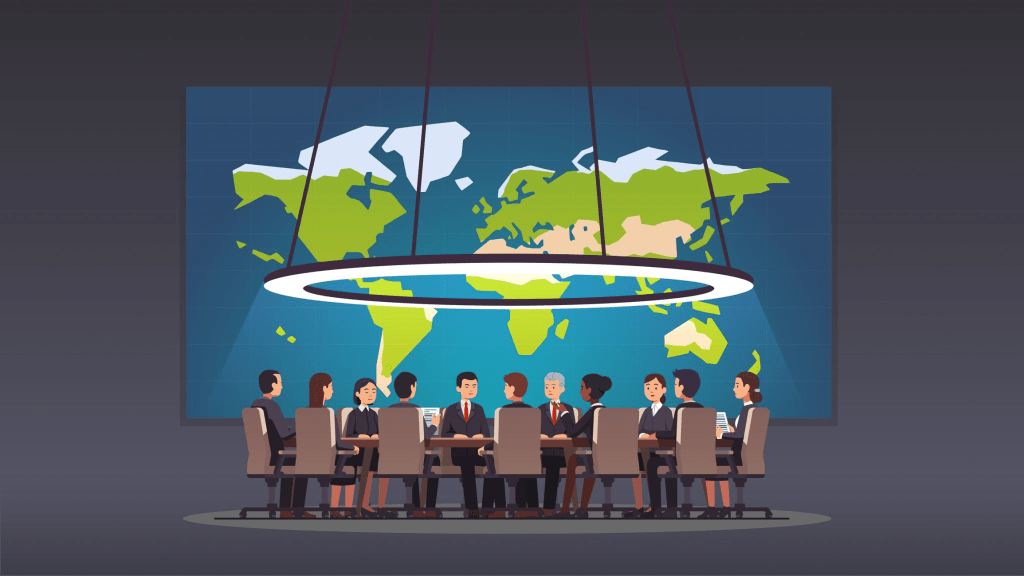
In our interconnected world, the interactions between nations extend far beyond diplomatic niceties and cultural exchanges. Geopolitics, the intricate interplay of geography, power, and international relations, is a driving force that shapes the global landscape. As we navigate through an era marked by rapid technological advancements and shifting alliances, understanding the nuances of geopolitics becomes more crucial than ever. In this blog post, we’ll delve into the fascinating world of geopolitics and explore how it influences our lives on a daily basis.
Defining Geopolitics: Beyond Maps and Borders At its core, geopolitics goes beyond the traditional understanding of geography. It’s about analyzing how geographic factors—such as land, resources, climate, and proximity—interact with political, economic, and cultural dynamics. These interactions shape the way countries interact with each other, the decisions they make, and the strategies they employ to safeguard their interests on the global stage.
Key Components of Geopolitics:
- Power Dynamics: The distribution of power among nations greatly impacts global stability. Superpowers, emerging powers, and regional powers all play a role in shaping international relations. The rise and fall of great powers have historically altered the course of history and led to significant geopolitical shifts.
- Natural Resources and Trade Routes: Access to vital resources, like oil, minerals, and waterways, can influence a nation’s strategic decisions and alliances. Control over key trade routes, such as the Strait of Hormuz or the South China Sea, can lead to geopolitical tensions due to their economic and military significance.
- Cultural and Religious Factors: Shared cultural and religious ties can foster cooperation between nations or contribute to conflicts. Differences in values and beliefs can influence foreign policy decisions and alliances.
- Security Concerns: National security is a central consideration in geopolitics. Threats posed by terrorism, cyberattacks, or military aggression can prompt nations to form alliances, strengthen defenses, or engage in diplomatic negotiations.
- Alliances and Treaties: Diplomatic agreements, alliances, and treaties can help maintain stability or spark tensions, depending on their terms and the interests of the parties involved. NATO, the European Union, and various economic unions are examples of geopolitical structures.
Impact on Global Events:
- Conflicts and Wars: Geopolitics often underpins conflicts and wars, as competing interests, territorial disputes, and historical rivalries drive nations to confrontations. The Syrian civil war, the Ukraine crisis, and historical conflicts in the Middle East are prime examples.
- Economic Relationships: Trade agreements, economic sanctions, and investment partnerships are influenced by geopolitical considerations. Economic powerhouses can leverage their position to influence global trade and investment patterns.
- Environmental Challenges: Geopolitics intersects with environmental concerns, such as climate change and resource scarcity. Nations may compete for access to water resources, arable land, and energy reserves.
- Technological Advances: Technological innovations, like the internet and artificial intelligence, have reshaped how nations interact and compete. The race for technological supremacy can be viewed through a geopolitical lens.
The Role of Diplomacy and International Organizations: Diplomacy serves as a critical tool to manage geopolitical tensions and disputes. International organizations, like the United Nations, facilitate dialogue and cooperation among nations, aiming to prevent conflicts and promote collective security.
Conclusion:
Navigating the Geopolitical Landscape In an increasingly interconnected world, understanding geopolitics is essential for informed citizenship, effective foreign policy, and global cooperation. As individuals, we may not directly participate in high-level diplomatic negotiations, but the choices made by world leaders reverberate across borders and impact our lives. By comprehending the underlying factors that drive international relations, we can contribute to a more peaceful and stable global environment—one where nations work together to address shared challenges and capitalize on shared opportunities.


 SIMCEL ONLINE
Leave a Reply