
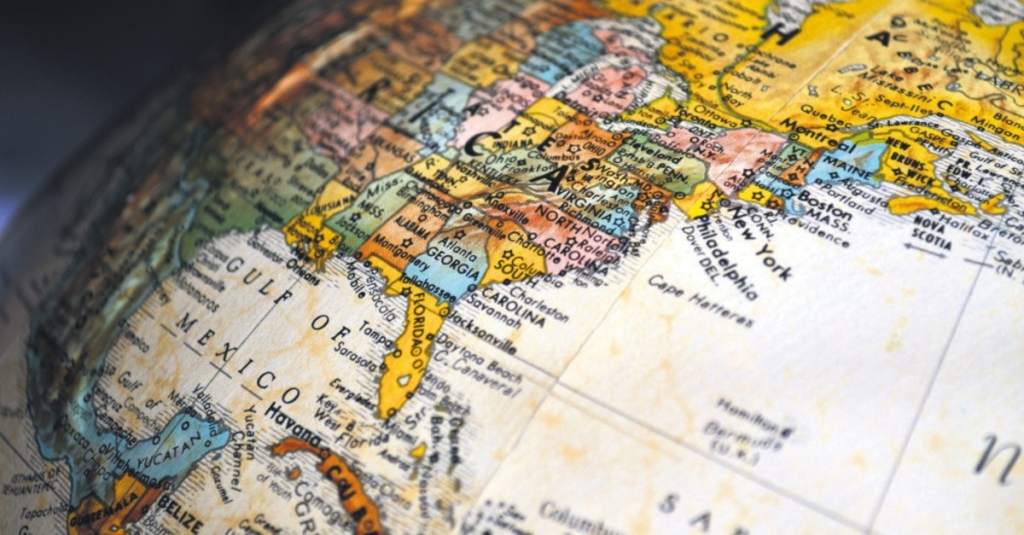
Geopolitics isn’t a one-size-fits-all concept; it’s a complex tapestry woven from various threads. Different types of geopolitics help us understand how countries interact, compete, and cooperate in the global arena.
In this blog post, we’ll take a closer look at some key types of geopolitics and how they shape the world around us.
**1. Classical Geopolitics: Mapping Power and Territory Imagine a giant game of Risk where countries vie for control over territories. Classical geopolitics focuses on the physical attributes of the land, such as geography, resources, and strategic locations. The concept gained prominence in the late 19th and early 20th centuries when scholars like Sir Halford Mackinder emphasized the importance of controlling “heartland” regions to gain global dominance. Classical geopolitics examines how geographical factors influence a country’s power and security.
**2. Economic Geopolitics: Money Talks Think of countries as participants in a global economic race. Economic geopolitics centers around how economic factors influence international relations. Access to resources, trade agreements, and economic alliances drive countries’ decisions and strategies. The rise of economic powerhouses like China and the influence of multinational corporations have further highlighted the role of economic interests in shaping geopolitical dynamics.
**3. Strategic Geopolitics: Chessboard of Alliances Imagine a game of chess with countries as pieces forming alliances and making moves. Strategic geopolitics focuses on forming alliances, establishing military bases, and positioning troops to enhance security and influence. During the Cold War, the strategic geopolitical landscape was marked by the rivalry between NATO and the Warsaw Pact. Today, strategic geopolitics remains vital as nations seek to secure their interests through military and diplomatic means.
**4. Cultural Geopolitics: Clash of Ideas and Values Think of countries as storytellers sharing different narratives. Cultural geopolitics explores how cultural, religious, and ideological differences impact international relations. Conflicts arising from these differences, such as the clash between Western and Middle Eastern values, illustrate how beliefs can shape geopolitical tensions. This type of geopolitics delves into how cultural identities influence diplomacy, alliances, and conflicts.
**5. Environmental Geopolitics: Mother Earth’s Impact Picture countries addressing global challenges like climate change and resource scarcity. Environmental geopolitics focuses on how environmental issues influence international relations. The fight for resources, migration due to climate change, and the potential for environmental conflicts are areas of interest. As countries grapple with shared challenges, environmental geopolitics plays an increasingly vital role in shaping global policies.
**6. Virtual Geopolitics: Digital Frontiers Imagine a virtual realm where countries engage in cyber warfare and digital diplomacy. Virtual geopolitics examines how technology, cyberspace, and the digital economy influence international interactions. Cyberattacks, data security, and the race for technological supremacy are key components of this evolving type of geopolitics.
Conclusion: Embracing Geopolitical Complexity The world of geopolitics isn’t black and white; it’s a multi-dimensional puzzle where different types of geopolitics intersect and overlap. By understanding these various dimensions, we gain a deeper appreciation for the intricate forces shaping global affairs. Geopolitics isn’t just about maps; it’s about power struggles, economic interests, cultural clashes, and more. As we navigate the complexities of the modern world, recognizing these different types of geopolitics equips us with valuable insights to better understand and engage with the ever-evolving global stage.


 SIMCEL ONLINE
Leave a Reply