
In the exciting and fast-paced world of forex trading, understanding the concept of margin is paramount to effectively managing your positions and risk. The term “good forex margin” refers to a margin level that strikes the right balance between maximizing trading opportunities and maintaining adequate risk management.
In this blog post, we will delve into what constitutes a good forex margin and how it impacts your trading decisions and overall profitability.
- Defining Forex Margin
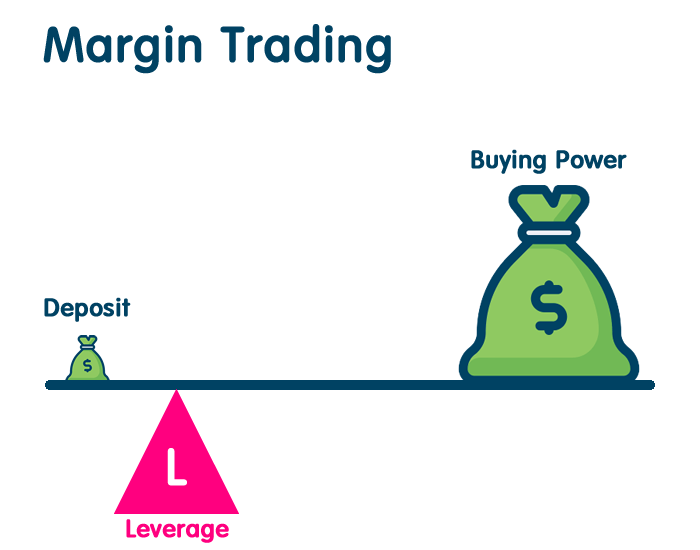
Forex margin is the initial deposit required by your broker to open and maintain trading positions. It serves as collateral and allows traders to control larger positions with a relatively smaller amount of capital. The concept of margin enables traders to leverage their investments and potentially magnify both profits and losses.
Margin is expressed as a percentage and can vary depending on the broker and the specific currency pair being traded. Common margin levels range from 1% to 5% or even higher, with the level typically being determined by regulatory requirements and the broker’s risk policies.
- The Characteristics of a Good Forex Margin
A good forex margin is one that aligns with your trading goals, risk tolerance, and overall trading strategy. Here are some essential characteristics of a good forex margin:
a. Risk Management: A good margin should allow you to manage risk effectively. It is crucial to strike a balance between utilizing leverage to enhance potential profits and ensuring that you have enough margin to withstand adverse market movements. Risk management should be at the core of your trading decisions.
b. Adequate Leverage: The margin level should provide you with adequate leverage to access significant market exposure. At the same time, excessive leverage can lead to unnecessary risk and potential margin calls.
c. Account Size and Trading Goals: A good forex margin is relative to your account size and trading objectives. What may be suitable for one trader might not be appropriate for another. Consider your account balance, risk appetite, and the desired returns you aim to achieve.
d. Regulatory Compliance: It is essential to comply with the margin requirements set by regulatory authorities. Many countries have specific rules and restrictions on leverage levels to protect retail traders from excessive risk.
- Finding the Right Balance
To determine a good forex margin for yourself, consider the following steps:
a. Assess Your Risk Tolerance: Understand your risk tolerance and be honest with yourself about how much risk you can comfortably handle. Remember that higher leverage means more significant potential profits, but it also entails higher risk.
b. Analyze Your Trading Strategy: Your trading strategy plays a significant role in determining the appropriate margin level. Scalpers and day traders may prefer lower leverage for frequent trades, while swing traders might opt for higher leverage for longer-term positions.
c. Adopt Sound Risk Management: Implement robust risk management practices, including setting stop-loss orders, diversifying your trades, and avoiding over-leveraging.
Conclusion
A good forex margin is not a one-size-fits-all concept. It depends on your risk tolerance, trading strategy, and overall financial goals. Striking the right balance between leverage and risk management is essential to navigate the forex market successfully. Remember that margin trading amplifies both gains and losses, so it’s crucial to approach trading with a disciplined mindset and adhere to a well-defined risk management plan. By doing so, you can enhance your trading experience and increase your potential for sustained profitability in the exciting world of forex trading.


 SIMCEL ONLINE
Leave a Reply