
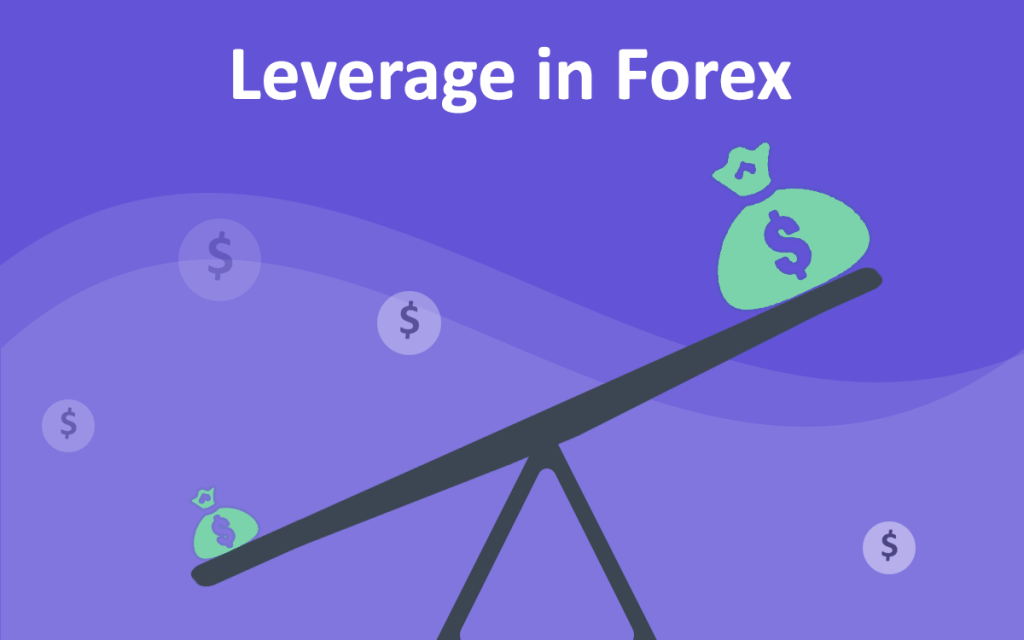
In the world of forex trading, leverage is a fundamental concept that can greatly impact a trader’s ability to control larger positions with a smaller amount of capital. Among the various leverage ratios offered by forex brokers, 1:500 leverage is one of the highest and most commonly used. However, it comes with both significant potential for profit and substantial risk.
In this blog post, we will explore what 1:500 leverage means in forex, how it works, and the implications for traders.
Understanding Leverage in Forex
Leverage is a financial tool that enables traders to magnify their exposure to the forex market without having to deposit the full value of their positions. It is expressed as a ratio, such as 1:50, 1:100, 1:200, or 1:500, indicating the amount of capital a trader can control compared to their initial investment. For example, a 1:500 leverage ratio means that for every $1 of the trader’s capital, they can control $500 in the market.
How Does 1:500 Leverage Work?
Let’s illustrate the concept of 1:500 leverage with an example:
Suppose a trader has $1000 in their trading account and wishes to trade with 1:500 leverage. With this leverage, they can control a position size of $500,000 ($1000 x 500) in the forex market.
Potential Gains with 1:500 Leverage
The primary allure of high leverage, such as 1:500, lies in its ability to amplify potential gains. Even with a modest price movement in favor of the trader’s position, the profits can be substantial due to the larger position size controlled with relatively less capital.
However, it is essential to remember that while leverage can increase potential returns, it also heightens the risks involved in trading.
Risk Considerations
- Margin Calls: With higher leverage, the risk of margin calls increases. A margin call occurs when a trader’s account balance falls below the required margin level to maintain open positions. In this situation, the broker may automatically close some or all of the trader’s positions to prevent further losses.
- Volatility and Market Fluctuations: Forex markets are inherently volatile, and leverage can expose traders to swift and severe price fluctuations. A sudden adverse market movement can lead to substantial losses, and traders must be prepared for such scenarios.
- Emotional Impact: Trading with high leverage can be emotionally challenging, as traders may experience increased stress and anxiety when managing larger positions.
Responsible Use of 1:500 Leverage
- Risk Management: Implement strict risk management techniques, such as setting stop-loss orders and limiting the percentage of capital at risk per trade. This approach helps mitigate potential losses.
- Adequate Capital: Ensure you have sufficient capital in your trading account to accommodate potential losses and maintain adequate margin levels.
- Educate Yourself: Understand the dynamics of leverage and its impact on trading outcomes. Continuous learning and improving your trading skills will enhance your decision-making process.
Conclusion
In summary, 1:500 leverage in forex trading offers the potential for significant profits, but it also exposes traders to substantial risks. While it can be a valuable tool in experienced hands, novice traders should approach it with caution and focus on learning the intricacies of the forex market before employing high-leverage ratios.
Remember, leverage is a double-edged sword – it can amplify both gains and losses. Responsible use of leverage, combined with sound risk management practices, is key to achieving long-term success in forex trading.


 SIMCEL ONLINE
Leave a Reply