
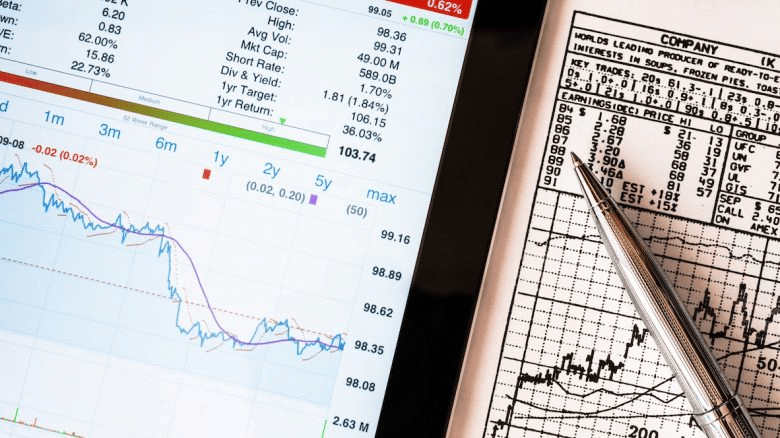
Forex trading involves analyzing various factors to make informed trading decisions. Traders rely on different types of analysis to assess the market and predict currency movements.
In this blog post, we will explore the three primary types of analysis used in forex trading: technical analysis, fundamental analysis, and sentiment analysis. Understanding these approaches will provide you with a well-rounded perspective on the forex market and help you develop effective trading strategies.
- Technical Analysis:
Technical analysis focuses on studying historical price data and patterns to predict future price movements. Traders using technical analysis believe that past price behavior can provide insights into future trends. Key components of technical analysis include:
a) Price Charts: Traders analyze price charts, such as line charts, bar charts, and candlestick charts, to identify patterns, trends, and support/resistance levels.
b) Indicators and Oscillators: Technical analysts use various indicators and oscillators, such as moving averages, relative strength index (RSI), and stochastic oscillators, to identify overbought or oversold conditions, confirm trends, and generate trading signals.
c) Chart Patterns: Traders look for chart patterns, such as triangles, head and shoulders, and double tops/bottoms, to anticipate trend reversals or continuation.
Technical analysis is particularly useful for short-term traders who focus on price movements and aim to capitalize on short-term market inefficiencies. It provides insights into entry and exit points, stop-loss levels, and potential profit targets.
- Fundamental Analysis:
Fundamental analysis involves evaluating economic, political, and social factors to assess the intrinsic value of a currency. Traders using fundamental analysis believe that currency values are influenced by macroeconomic indicators, central bank policies, geopolitical events, and market sentiment. Key components of fundamental analysis include:
a) Economic Indicators: Traders analyze economic indicators such as GDP growth, inflation rates, employment data, interest rates, and trade balances to gauge the health and performance of an economy.
b) Geopolitical Factors: Political stability, government policies, and international relations are considered to assess the impact on currency values.
c) Central Bank Actions: Traders closely monitor central bank decisions, including interest rate changes, monetary policy statements, and quantitative easing measures, as they have a significant impact on currency values.
Fundamental analysis provides a broader and long-term perspective on the forex market. It helps traders identify undervalued or overvalued currencies, anticipate trends, and make informed trading decisions.
- Sentiment Analysis:
Sentiment analysis, also known as market sentiment analysis, involves assessing the overall attitude and perception of traders and investors toward the market. Traders using sentiment analysis believe that market sentiment can influence currency movements. Key components of sentiment analysis include:
a) News and Market Events: Traders monitor news releases, economic announcements, geopolitical events, and market rumors to gauge market sentiment.
b) Commitment of Traders (COT) Report: The COT report provides insights into the positioning of different market participants, including institutional investors, speculators, and commercial traders.
c) Fear and Greed Indicators: Traders analyze fear and greed indicators, such as the Volatility Index (VIX) or the put/call ratio, to assess market sentiment extremes.
Sentiment analysis helps traders understand the prevailing market mood, identify potential market reversals or continuations, and align their trading strategies accordingly.
Conclusion:
Successful forex trading requires a comprehensive understanding of the three primary types of analysis: technical analysis, fundamental analysis, and sentiment analysis. While technical analysis focuses on price patterns and indicators, fundamental analysis delves into economic factors and central bank actions. Sentiment analysis, on the other hand, assesses market sentiment and the psychology of traders. By combining these three types of analysis, traders can develop a well-rounded approach to make informed trading decisions, manage risk effectively, and adapt to changing market conditions. Remember that no single type of analysis guarantees success, and continuous learning, practice, and experience are essential in mastering the art of forex trading.


 SIMCEL ONLINE
Leave a Reply