
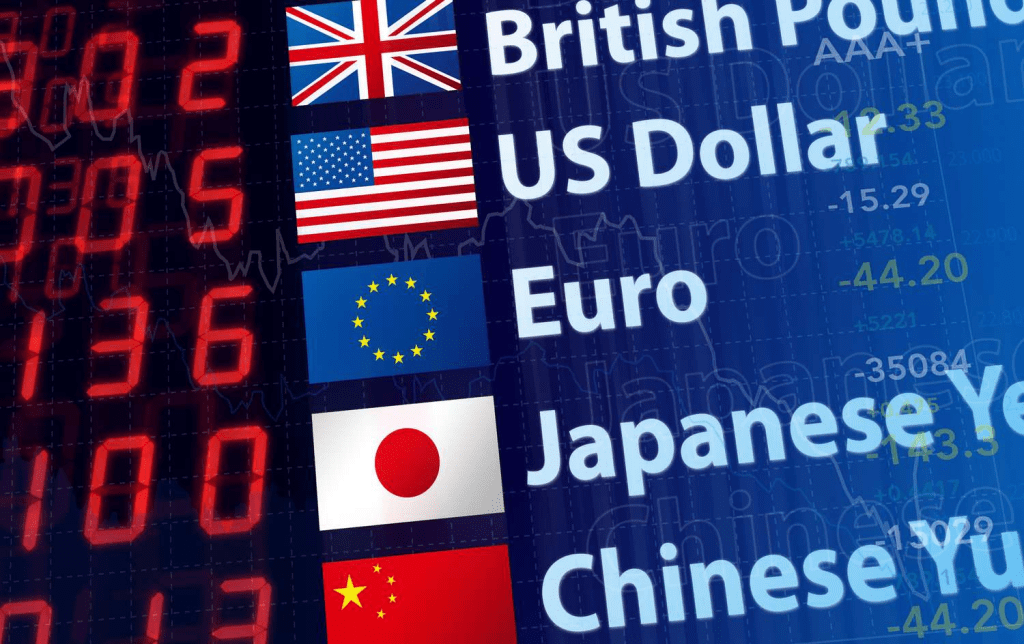
In today’s interconnected world, international trade and investment have become increasingly prevalent. As a result, understanding foreign exchange (forex) and its mechanisms has become crucial for individuals and businesses alike. In this blog post, we will delve into the concept of foreign exchange, explore its significance, and provide a real-life example to illustrate its practical application.
What is Foreign Exchange?
Foreign exchange, often abbreviated as Forex or FX, refers to the decentralized global market where currencies are bought, sold, and exchanged. It is the mechanism through which individuals, corporations, governments, and financial institutions convert one currency into another. Forex serves as the backbone of international trade, facilitating cross-border transactions and enabling the smooth functioning of global financial markets.
Significance of Foreign Exchange:
The foreign exchange plays a pivotal role in several aspects of the global economy. Here are some key reasons why understanding forex is crucial:
- International Trade: Foreign exchange enables the exchange of currencies required to conduct international trade. It allows importers and exporters to convert their respective currencies and settle transactions efficiently.
- Speculation and Investment: Forex markets offer opportunities for traders and investors to speculate on currency fluctuations and potentially profit from them. Currency trading has become a popular avenue for individuals and institutions seeking to diversify their investment portfolios.
- Central Bank Policies: Central banks influence foreign exchange rates by implementing monetary policies such as interest rate adjustments and quantitative easing. These actions can impact the value of a country’s currency, which, in turn, affects various economic factors such as inflation, exports, and competitiveness.
- Global Capital Flows: Foreign exchange markets facilitate the movement of capital across borders. Investors allocate funds to different countries, seeking higher returns or diversification. This flow of capital impacts exchange rates and can influence a country’s economic stability.
Example:
Currency Exchange for International Travel To better understand foreign exchange, let’s consider a practical example involving an individual planning a trip abroad. Suppose you are traveling from the United States to Europe for a vacation. As a U.S. resident, you primarily use the U.S. dollar (USD) for your day-to-day transactions.
However, in order to spend money in Europe, you need to convert your USD into the local currency of your destination country, such as the Euro (EUR). This exchange takes place in the foreign exchange market, where you sell your USD and purchase Euros at the prevailing exchange rate.
The exchange rate between two currencies fluctuates based on factors such as supply and demand, economic indicators, geopolitical events, and market sentiment. Upon returning from your trip, if you have any leftover Euros, you would convert them back to USD at the applicable exchange rate.
Conclusion:
Foreign exchange is an essential aspect of global finance that impacts international trade, investment, and economic stability. Understanding how currencies are exchanged and the factors influencing exchange rates is vital for businesses engaged in international transactions and individuals involved in currency trading or travel. By comprehending the intricacies of foreign exchange, one can navigate the complexities of the global financial landscape more effectively and make informed decisions regarding currencies and their value.


 SIMCEL ONLINE
Leave a Reply