
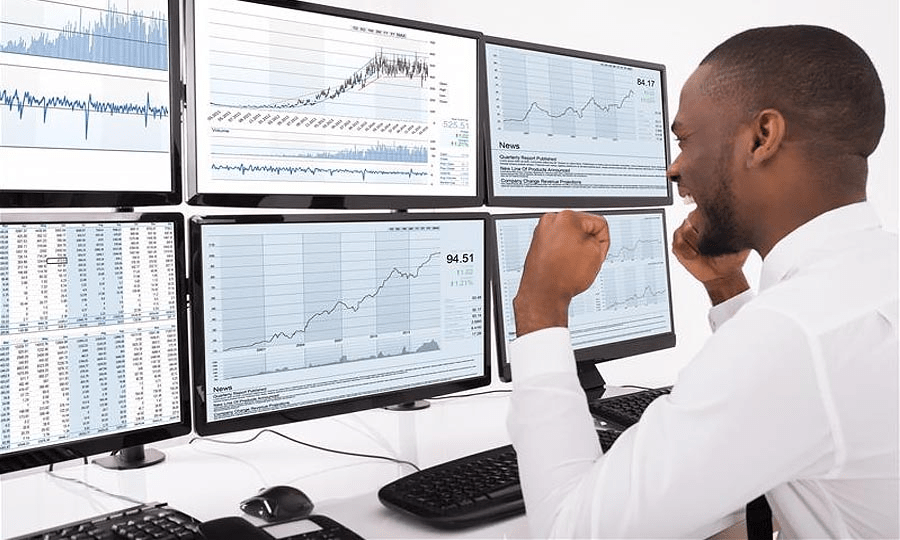
The world of finance is a vast and intricate web of interconnected markets, each with its own unique characteristics and complexities. Among these markets, the foreign exchange market, commonly known as the Forex market, stands as the largest and most liquid financial marketplace in the world. In this blog post, we will delve into the essence of the Forex market, exploring its functions, participants, trading mechanisms, and the factors that influence its dynamics.
Defining the Forex Market:
The Forex market refers to the decentralized global marketplace where currencies are bought, sold, and exchanged. It is a 24-hour market that operates continuously, excluding weekends, as it follows the sun across different time zones. Participants engage in Forex trading for various purposes, including international trade, investment, speculation, and hedging.
Market Structure and Participants:
Unlike traditional centralized exchanges, the Forex market operates through an interconnected network of financial institutions, including banks, central banks, hedge funds, corporations, retail brokers, and individual traders. The absence of a centralized exchange allows for seamless trading across the globe and ensures high liquidity, as buyers and sellers can transact directly with one another.
Key Features and Trading Instruments:
Currencies are traded in pairs in the Forex market, with the most actively traded pairs being the major currency pairs such as EUR/USD, GBP/USD, and USD/JPY. Each currency pair represents the exchange rate between two currencies, and traders speculate on the relative value changes of these pairs. Apart from spot trading, the Forex market also offers various derivative instruments, including futures, options, and contracts for difference (CFDs), which enable traders to profit from price movements without owning the underlying asset.
Factors Influencing Forex Market Dynamics:
Several factors contribute to the fluctuation of exchange rates in the Forex market. Macroeconomic indicators such as interest rates, inflation rates, GDP growth, employment data, and geopolitical events significantly impact currency valuations. Additionally, market sentiment, investor psychology, central bank interventions, and capital flows also play a crucial role in shaping Forex market dynamics.
Trading Strategies and Risks:
Forex trading strategies vary widely, depending on individual preferences and risk appetite. Traders employ technical analysis, fundamental analysis, or a combination of both to make informed trading decisions. Technical analysis involves studying historical price patterns and utilizing various indicators to predict future price movements. On the other hand, fundamental analysis focuses on evaluating economic data and news events to anticipate currency trends. It is essential to note that Forex trading involves risks, including market volatility, leverage, counterparty risk, and geopolitical uncertainties, requiring traders to manage their positions prudently and use risk management tools effectively.
Conclusion:
The Forex market, with its immense scale and global reach, plays a pivotal role in facilitating international trade and investment. Understanding its mechanics, participants, and influencing factors can provide individuals with opportunities to participate in this dynamic marketplace. However, it is crucial to approach Forex trading with proper education, risk management practices, and a comprehensive understanding of the complexities involved. As with any financial endeavor, cautious decision-making and continuous learning are vital for success in the exciting world of Forex trading.
JOIN A REPUTABLE FOREX ACADEMY >>>HERE<<< FOR FREEEEEEEE


 SIMCEL ONLINE
Leave a Reply