
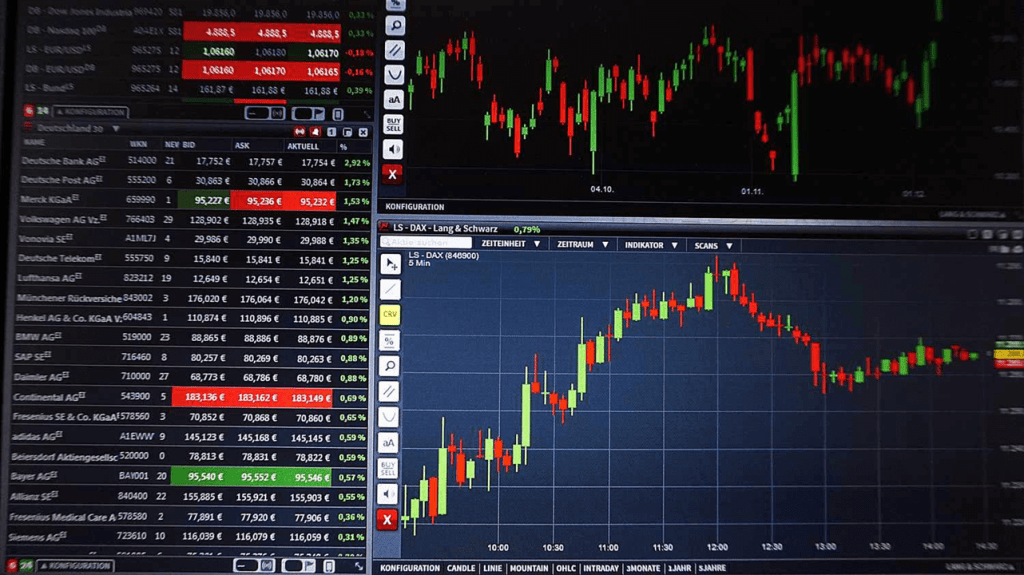
The foreign exchange market, also known as Forex, presents an intriguing opportunity for individuals to participate in the world of currency trading. With its global reach and potential for profit, many people are drawn to this dynamic market. However, diving into Forex trading without proper knowledge and preparation can be risky. In this blog post, we will guide you through the essential steps to start your journey in the Forex market.
Step 1: Educate Yourself about Forex Trading:
Before venturing into the Forex market, it is crucial to gain a solid understanding of its fundamental concepts, trading mechanisms, and risk management practices. Numerous online resources, educational courses, and books provide valuable insights into Forex trading. Learn about key terminologies, trading strategies, chart analysis, fundamental analysis, and risk management techniques. Building a strong foundation of knowledge will enhance your decision-making abilities and increase your chances of success.
Step 2: Select a Reliable Forex Broker:
Choosing a reputable Forex broker is essential to ensure a secure and transparent trading experience. Look for brokers that are regulated by reputable financial authorities and offer a user-friendly trading platform with robust features. Consider factors such as trading fees, spreads, available currency pairs, customer support, and deposit/withdrawal options. Demo accounts provided by brokers can be valuable for practicing your trading skills and getting familiar with the platform before risking real money.
Step 3: Define Your Trading Goals and Risk Tolerance:
Establishing clear trading goals and understanding your risk tolerance is vital for developing a trading plan. Determine the amount of capital you are willing to invest and the level of risk you are comfortable with. Define your trading objectives, whether they are short-term gains or long-term investment growth. Setting realistic expectations and aligning them with your risk tolerance will help you make informed trading decisions and manage your emotions during market fluctuations.
Step 4: Develop a Trading Strategy:
A well-defined trading strategy is crucial for consistent success in the Forex market. Consider different trading styles, such as day trading, swing trading, or position trading, and choose the one that suits your personality and time availability. Your strategy should incorporate factors like technical analysis, fundamental analysis, entry and exit rules, risk management techniques, and position sizing. Backtesting your strategy on historical data and analyzing its performance can provide valuable insights and help refine your approach.
Step 5: Practice Risk Management:
Implementing effective risk management practices is vital for protecting your capital in Forex trading. Determine your acceptable risk per trade and set stop-loss orders to limit potential losses. Avoid risking a significant portion of your capital on a single trade, as it can lead to substantial losses. Additionally, consider using tools like take-profit orders and trailing stops to secure profits and minimize risks. Regularly assess and adjust your risk management strategies as per the market conditions and your trading performance.
Step 6: Start Trading with a Disciplined Approach:
Once you have acquired the necessary knowledge, selected a broker, defined your goals, and developed a strategy, it’s time to start trading. Begin with a small trading account and gradually increase your position size as you gain experience and confidence. Maintain discipline and stick to your trading plan, avoiding impulsive decisions driven by emotions. Continuously analyze and evaluate your trades to identify strengths, weaknesses, and areas for improvement.
Conclusion:
Embarking on a journey in the Forex market can be an exciting and potentially rewarding endeavor. However, it is essential to approach it with the right mindset, education, and preparation. Take the time to educate yourself, select a reliable broker, define your goals and risk tolerance, develop a trading strategy, practice sound risk management, and maintain discipline. Remember that Forex trading involves risks, and success requires dedication, continuous learning, and adaptability to market conditions. With a well-rounded approach and a commitment to ongoing improvement, you can navigate the Forex market and potentially unlock profitable opportunities.
JOIN A REPUTABLE FOREX ACADEMY >>>HERE<<< FOR FREEEEEEE


 SIMCEL ONLINE
Leave a Reply