
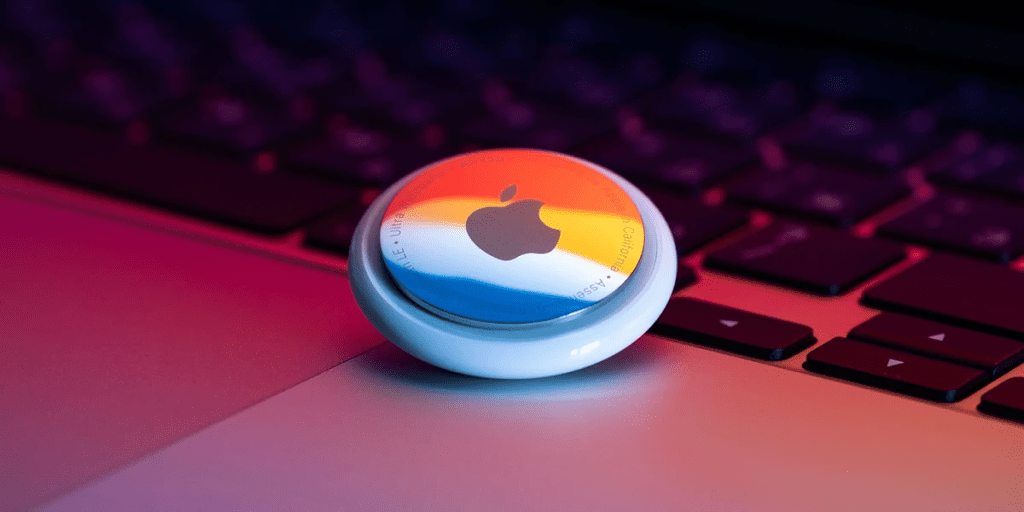
AirTags have become a game-changer when it comes to locating lost or misplaced items. With their compact design and integration within Apple’s ecosystem, they offer a convenient tracking solution. If you’re considering using AirTags, one crucial aspect to consider is their tracking range. In this blog post, we will delve into the capabilities of AirTags and explore how far they can track your belongings.
Understanding the Tracking Technology
AirTags utilize a combination of Bluetooth and Ultra-Wideband (UWB) technology to provide accurate tracking capabilities. Bluetooth allows for initial pairing and communication between AirTags and nearby Apple devices, while UWB enhances the precision of tracking by enabling highly accurate distance and direction measurements.
Factors Affecting Tracking Range
The tracking range of AirTags can be influenced by several factors. Let’s take a look at the key aspects that impact the range of AirTags:
- Bluetooth Range: The primary factor determining the tracking range of AirTags is the Bluetooth connection between the AirTag and your Apple device. Bluetooth Low Energy (BLE) technology, used by AirTags, has a typical range of up to 100 feet (30 meters) in an open space without any obstructions. However, this range can be reduced when there are physical barriers like walls or objects that hinder the signal.
- Ultra-Wideband (UWB) Technology: AirTags are equipped with UWB technology, which enhances tracking precision when used with U1 chip-enabled iPhones. UWB offers a more accurate distance measurement and can help guide you toward the precise location of your AirTag-enabled item. However, UWB does not significantly extend the overall range of AirTags.
- Environmental Factors: The surrounding environment can impact the range of AirTags. Physical obstacles like walls, furniture, or other objects can obstruct the Bluetooth signal, leading to a shorter effective range. Additionally, interference from other devices operating on the same frequency may affect the tracking performance of AirTags.
- Device Compatibility: The tracking range of AirTags can vary based on the device you use to track them. Newer iPhone models equipped with the U1 chip, such as the iPhone 11, iPhone 12, or later models, offer enhanced tracking accuracy and the Precision Finding feature, which assists in locating your AirTag-enabled item within close proximity.
Optimizing Tracking Range
While the inherent range of AirTags is determined by the factors mentioned above, there are measures you can take to optimize their tracking capabilities:
- Keep Devices in Range: To ensure effective tracking, keep your Apple device within the Bluetooth range of the AirTag. When you move out of range, the connection weakens, and tracking accuracy diminishes.
- Minimize Obstructions: Avoid placing physical barriers like walls or large objects between your Apple device and the AirTag to maintain a strong Bluetooth connection.
- Enable Offline Finding: AirTags have an Offline Finding feature that allows them to be detected by other Apple devices in the Find My network even when they are not in the Bluetooth range of your personal device. This network effect can help extend the potential tracking range beyond Bluetooth limitations.
Conclusion
AirTags offer a reliable tracking solution within a certain range dictated by Bluetooth technology and environmental factors. While the typical Bluetooth range is around 100 feet, it can be influenced by obstructions and interference. The integration of UWB technology provides enhanced tracking precision, especially with U1 chip-enabled iPhones. By understanding the limitations and optimizing the tracking conditions, you can make the most of AirTags and ensure a successful and efficient tracking experience for your belongings.
GET IT >>>HERE


 SIMCEL ONLINE
Leave a Reply