
Geopolitical events can significantly increase FX risk. Here are some ways in which this can occur:
- Increased volatility: Geopolitical events can create uncertainty and unpredictability in the market, leading to increased volatility. This can cause sudden movements in currency prices, making it more difficult for traders to accurately predict price movements and increasing the risk of losses.
- Changes in central bank policy: Geopolitical events can lead to changes in central bank policy, which can impact currency exchange rates. For example, if a central bank is forced to intervene in the market to stabilize the currency during a geopolitical crisis, this can cause a sudden change in interest rates, which can affect exchange rates and increase FX risk.
- Flight to safety: During times of geopolitical uncertainty, investors may move their money to safe-haven currencies, such as the US dollar, Japanese yen, or Swiss franc. This can cause a significant shift in exchange rates and increase FX risk for traders who are not prepared for sudden market movements.
- Trade disruptions: Geopolitical events can lead to disruptions in global trade, which can impact currency exchange rates. For example, if a country imposes trade sanctions on another country, this can lead to a weakening of the affected country’s currency.
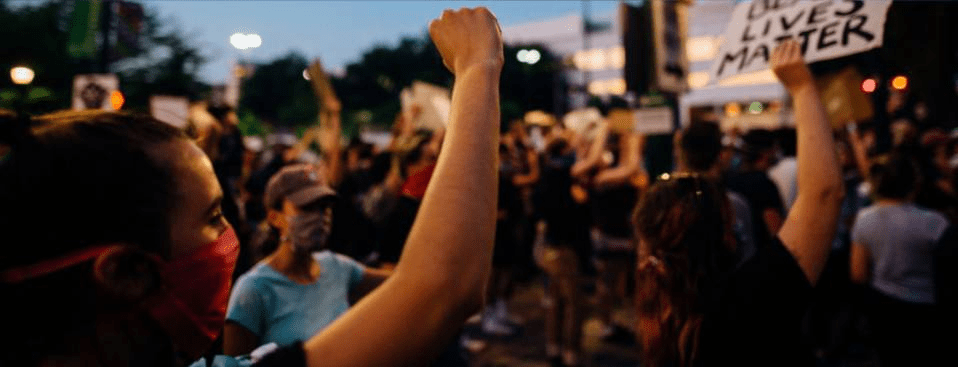
- Political instability: Geopolitical events can lead to political instability, which can negatively impact a country’s economy and currency. For example, political protests or regime changes can lead to a sudden drop in a country’s currency value, increasing FX risk.
In summary, geopolitical events can increase FX risk by increasing volatility, leading to changes in central bank policy, causing a flight to safety, disrupting global trade, and causing political instability. Forex traders should stay informed about geopolitical events and have risk management strategies in place to manage their exposure to these risks.


 SIMCEL ONLINE
Leave a Reply