
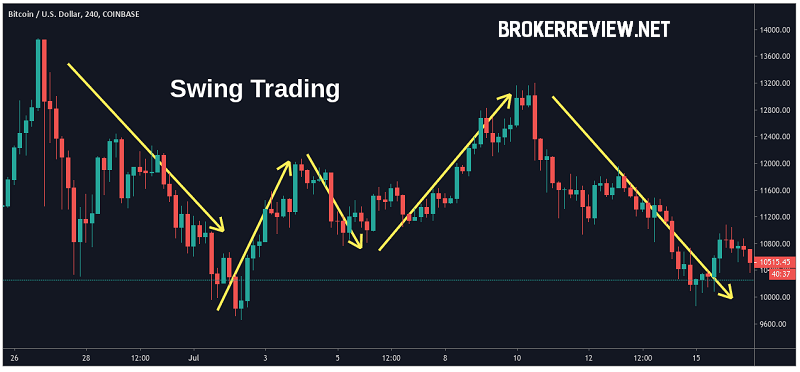
Swing trading is a popular Forex trading style that aims to capture short to medium-term gains in the market by holding positions for a few days to a few weeks. Here are some strategies and best practices for successful swing trading in Forex:
- Identify the trend: Swing traders should first identify the trend direction, as this will help them make better trading decisions. A good way to do this is by using technical analysis tools such as moving averages, trendlines, and chart patterns.
- Use multiple timeframes: Swing traders should look at multiple timeframes to get a better understanding of the market’s trend. The weekly and daily charts are usually the most popular timeframes used for swing trading.
- Identify support and resistance levels: Swing traders should identify key support and resistance levels on the charts, as these can provide potential entry and exit points.
- Use technical indicators: Swing traders should use technical indicators such as the Relative Strength Index (RSI) or the Moving Average Convergence Divergence (MACD) to confirm their trading decisions.
- Use a trading plan: A trading plan is essential for swing traders as it helps them stay disciplined and focused on their trading goals.
- Use stop-loss orders: Stop-loss orders are critical for managing risk in swing trading. Traders should set stop-loss orders at a level where they are comfortable taking a loss if the trade goes against them.
- Manage position size: Swing traders should always manage their position size to ensure that they are not risking too much on any one trade. A general rule of thumb is to risk no more than 1-2% of your trading account on any one trade.
In conclusion, swing trading is a popular Forex trading style that can be profitable if done correctly. Traders should identify the trend, use multiple timeframes, identify support and resistance levels, use technical indicators, use a trading plan, use stop-loss orders, and manage position size to ensure success in swing trading.


 SIMCEL ONLINE
Leave a Reply