
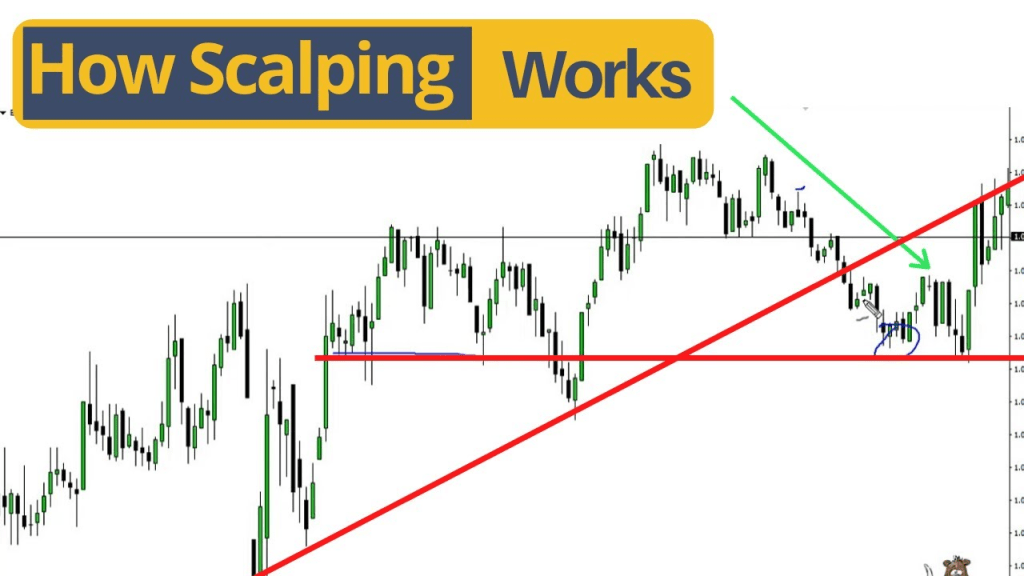
Scalping is a popular Forex trading strategy that involves opening and closing trades within a short period, usually a few seconds or minutes. Here are some techniques and strategies for scalping Forex:
- Use technical analysis: Scalpers typically use technical analysis to identify short-term price movements. Popular technical indicators for scalping include moving averages, Bollinger Bands, and RSI.
- Trade during high volatility: Scalpers look for high volatility periods, such as during economic news releases or when the market opens or closes. High volatility provides more trading opportunities for scalpers.
- Keep an eye on the spread: Scalpers aim to make small profits on each trade, so it’s essential to keep an eye on the spread, which can eat into profits. Choose a broker with tight spreads and consider using a scalping-specific account.
- Use tight stop-losses: Scalping involves quick trades, so it’s essential to use tight stop-losses to minimize losses if the market moves against you.
- Trade with the trend: Scalpers often trade with the trend, as this can increase the probability of making profitable trades. Use trendlines, moving averages, and other trend indicators to identify the trend direction.
- Focus on a few currency pairs: Scalping requires a lot of focus, so it’s better to focus on a few currency pairs rather than trying to trade everything. Choose currency pairs with high liquidity and low spreads.
- Practice on a demo account: Scalping requires a lot of practice and discipline, so it’s essential to practice on a demo account before trading with real money.
In conclusion, scalping can be a profitable Forex trading strategy for those who are willing to put in the time and effort to master it. Using technical analysis, trading during high volatility, keeping an eye on the spread, using tight stop-losses, trading with the trend, focusing on a few currency pairs, and practicing on a demo account are all important techniques and strategies for successful scalping.


 SIMCEL ONLINE
Leave a Reply