
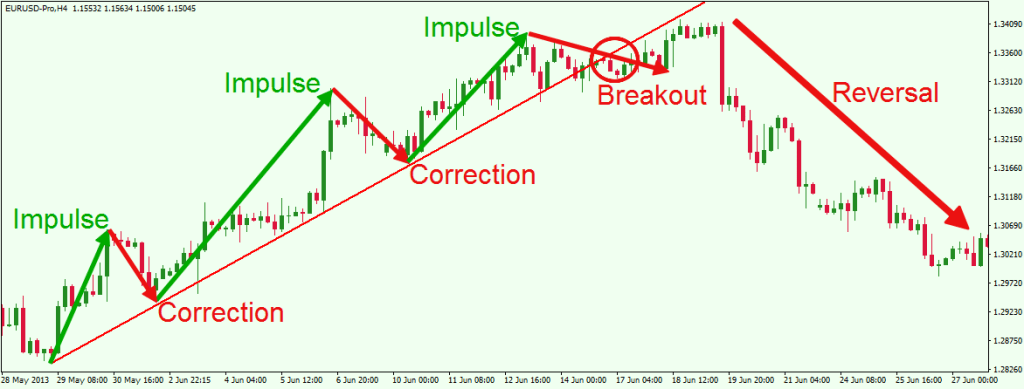
Identifying trends and patterns is an essential part of successful Forex trading. Here are some tips for identifying trends and patterns in Forex trading:
- Use technical analysis tools: Technical analysis tools such as moving averages, trendlines, and chart patterns can help traders identify trends and patterns in the market.
- Look at multiple timeframes: Traders should look at multiple timeframes to get a better understanding of the market’s trend. The weekly and daily charts are usually the most popular timeframes used for swing trading.
- Identify support and resistance levels: Support and resistance levels are areas on the chart where the price has previously reversed. These levels can help traders identify potential entry and exit points.
- Use trend indicators: Trend indicators such as the Moving Average Convergence Divergence (MACD) and the Relative Strength Index (RSI) can help traders identify trends and patterns in the market.
- Monitor economic events: Economic events such as central bank meetings, employment reports, and GDP releases can impact the Forex market and create trends and patterns.
- Keep a trading journal: Traders should keep a trading journal to document their trades and identify trends and patterns in their own trading behavior.
- Use fundamental analysis: Fundamental analysis can help traders identify long-term trends in the market based on economic factors such as interest rates, inflation, and geopolitical events.
In conclusion, identifying trends and patterns is an essential part of successful Forex trading. Traders should use technical analysis tools, look at multiple timeframes, identify support and resistance levels, use trend indicators, monitor economic events, keep a trading journal, and use fundamental analysis to identify trends and patterns in the market.


 SIMCEL ONLINE
Leave a Reply