
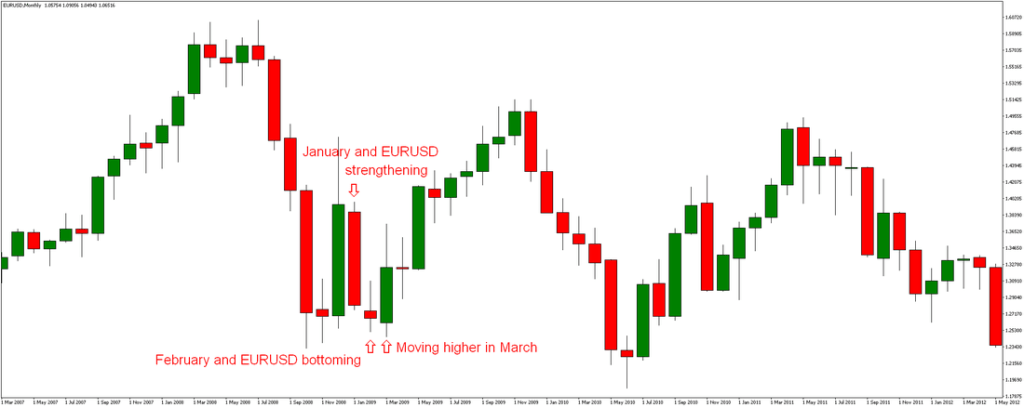
Seasonal patterns can provide opportunities and risks for Forex traders. Here are some key points to consider:
Opportunities:
- Certain currency pairs may show seasonal patterns, where they tend to move in a particular direction during a specific time of the year. For example, the USD/JPY may experience increased volatility during the Japanese fiscal year-end in March.
- Economic events, such as holidays and elections, can create seasonal patterns that impact currency pairs. For example, the Christmas and New Year holidays can create lower trading volumes and volatility, while elections can create uncertainty and volatility.
- Traders can use historical data to identify seasonal patterns and make trading decisions based on these patterns.
Risks:
- Seasonal patterns may not always hold true, and past performance does not guarantee future results.
- Economic events can create unexpected and sudden changes in currency pairs, which can lead to losses for traders who are relying solely on seasonal patterns.
- Seasonal patterns can attract a lot of attention from traders, which can lead to overcrowding and increased volatility.
- Trading based solely on seasonal patterns can lead to overtrading, as traders may enter and exit positions too frequently.
In conclusion, seasonal patterns can provide opportunities and risks for Forex traders. Traders should use historical data to identify seasonal patterns, but also be aware that these patterns may not always hold true. It’s essential to consider economic events and other factors that can impact currency pairs, and avoid overtrading or relying solely on seasonal patterns.


 SIMCEL ONLINE
Leave a Reply