
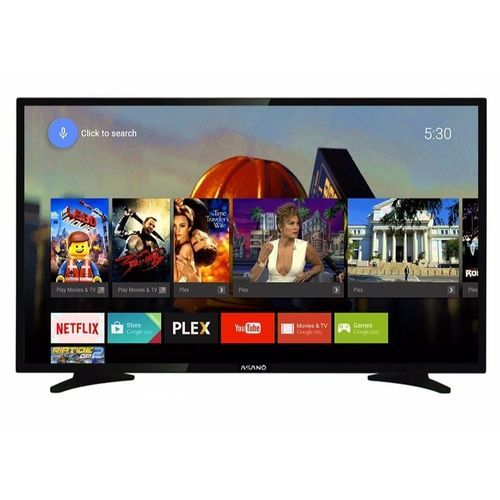
The main difference between digital satellite TV and digital TV (DTV) is how they receive their signals.
Digital satellite TV refers to a television system that receives its signal through a satellite dish, which picks up a signal sent by satellite in orbit. The signal is then decoded by a satellite receiver box connected to the TV. This type of TV service typically offers a wide range of channels and higher picture quality than traditional analog TV but requires the installation of a satellite dish and a subscription to a satellite TV provider.
Digital TV, on the other hand, refers to a television system that receives its signal through a digital broadcast signal, which is transmitted over the airwaves. This type of TV service can be received with a digital antenna and does not require a subscription to a cable or satellite provider. Digital TV typically offers a clearer picture and sound than analog TV and may offer additional features such as closed captioning and interactive program guides.
It’s worth noting that digital satellite TV and digital TV can both be “high-definition” (HD), which means that they offer a higher resolution picture than standard definition (SD) TV. The main difference between the two is the method by which they receive their signals.
GET THEM >>>HERE


 SIMCEL ONLINE
Leave a Reply